A wave of student protests across India, characterized by the symbolic use of cockroaches, has come to an end following the resignation of the Union Education Minister. The unconventional form of demonstration had captured national attention and sparked widespread debate about the state of India's education system and student grievances.
The Unusual Protest Method
Student activists chose cockroaches as a symbolic tool to represent their concerns about the education system. This creative yet controversial approach involved displaying cockroaches at protest sites, with students drawing parallels between the resilience of these insects and what they perceived as persistent, systemic problems in educational institutions. The imagery was designed to convey that issues in the education sector, like cockroaches, were difficult to eliminate and required serious attention.
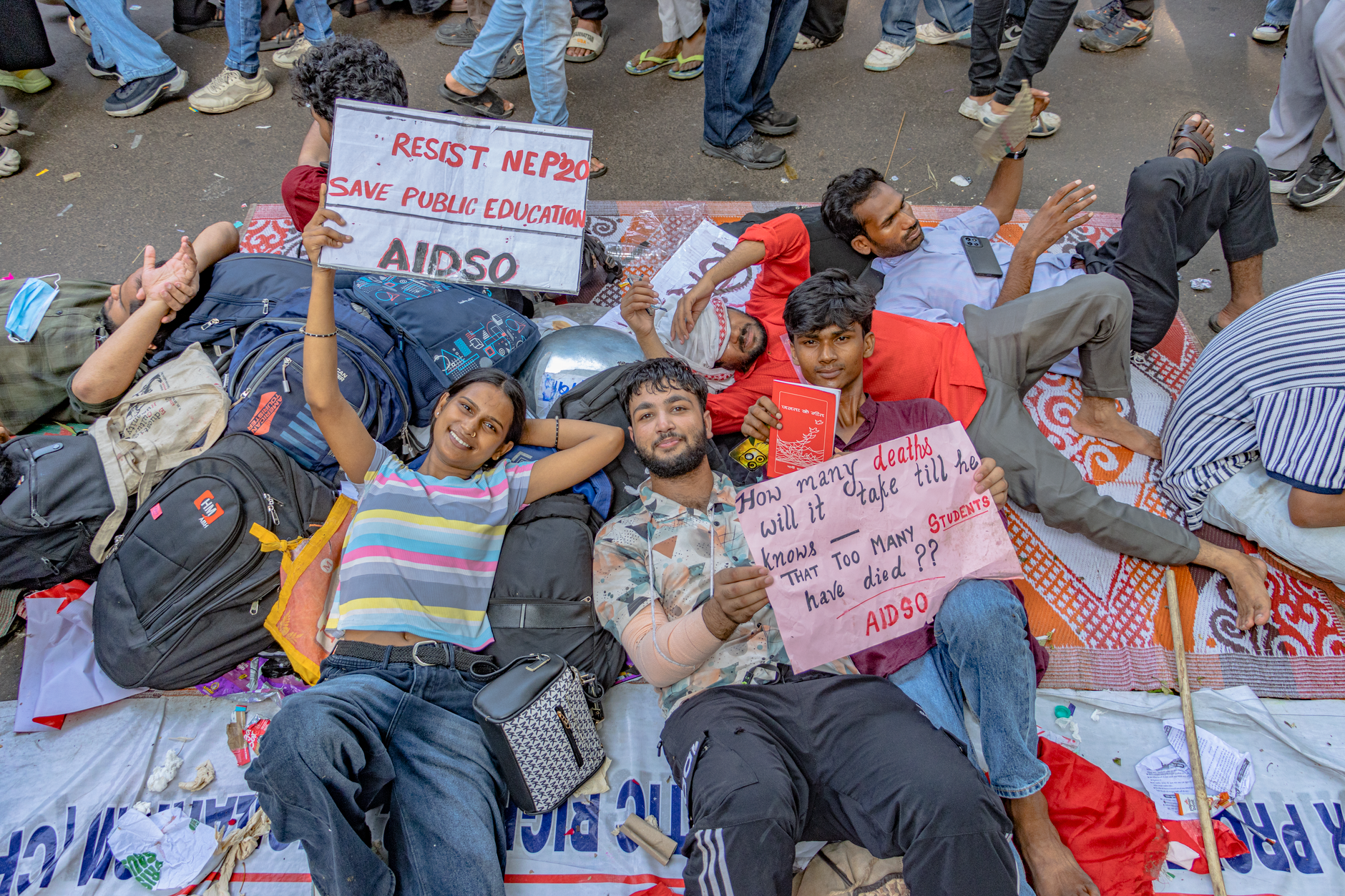
The protests gained momentum across multiple states, with students from universities and colleges participating in various forms of demonstration. Social media amplified the movement, with hashtags related to the cockroach protests trending nationally and drawing international attention to the students' demands.
Core Issues Behind the Demonstrations
The protests were rooted in several long-standing concerns within India's education landscape. Students had been demanding reforms across multiple fronts, including examination policies, fee structures, and institutional autonomy. Many participants expressed frustration with what they viewed as outdated curricula and insufficient infrastructure in educational institutions.
Concerns about employment outcomes after graduation also featured prominently in student demands. With India's youth unemployment rate remaining a significant challenge, protesters argued that the education system needed fundamental restructuring to better prepare graduates for the modern job market. They called for greater emphasis on skill development, practical training, and alignment with industry requirements.
Additionally, issues surrounding reservation policies, admission procedures, and research funding formed part of the broader grievance list. Students from marginalized communities particularly highlighted concerns about access and equity within higher education institutions.
The Political Fallout
The resignation of the education minister represents a significant political development and reflects the intensity of public pressure surrounding education policy. While ministerial resignations in India can occur for various reasons, the timing in relation to the protests suggests a direct connection between student unrest and political accountability.
The Chief Justice of Pakistan's involvement mentioned in international coverage points to the cross-border attention these protests received, though the primary focus remained on domestic education policy within India. The resignation is likely to trigger a reshuffle within the education ministry and potentially signal a shift in policy direction.
Student Movement Dynamics in India
This episode adds to India's long history of student activism, which has played crucial roles in social and political movements since independence. Student protests have traditionally served as barometers for broader societal discontent and have sometimes catalyzed significant policy changes.
However, the cockroach protest method marks a departure from conventional demonstration tactics. This creative approach reflects how younger generations are finding new ways to draw attention to their causes in an age of digital media and shortened attention spans. The visual symbolism proved effective in generating media coverage and public discourse.
Implications for Education Policy
The conclusion of these protests does not necessarily mean the underlying issues have been resolved. Education stakeholders now face the challenge of addressing student concerns through concrete policy measures. Key areas likely to receive attention include:
- Examination reform and assessment methods
- Infrastructure development in colleges and universities
- Fee regulation and financial assistance programs
- Curriculum modernization to reflect contemporary needs
- Research funding and academic freedom
- Employment linkages and skill development initiatives
The incoming education leadership will inherit these challenges and will likely face pressure to demonstrate responsiveness to student concerns. How quickly and effectively the government addresses these issues will determine whether the cessation of protests represents a genuine resolution or merely a temporary pause.
Looking Ahead
The cockroach protests have brought education policy to the forefront of national discourse. Civil society organizations, educational institutions, and student bodies will likely continue monitoring government actions closely. The resignation of the education minister creates an opportunity for fresh perspectives and potentially transformative changes in how India approaches education policy.
For students and educational stakeholders, the challenge now lies in ensuring that the momentum generated by these protests translates into meaningful reform rather than dissipating without substantive change. The coming months will reveal whether this unusual chapter in India's student movement history marks a turning point for the country's education system.