Student protests across India have taken an unusual turn with demonstrators adopting the 'cockroach' moniker to highlight concerns about deteriorating educational infrastructure, particularly in government-run institutions. The movement has gained momentum on social media and streets alike, prompting responses from various levels of government.
Understanding the Cockroach Protest Movement
The protests derive their name from students' complaints about poor sanitation, inadequate facilities, and pest infestations in educational institutions. What began as localized complaints about hostel conditions has evolved into a broader movement questioning the quality of public education infrastructure across the country.
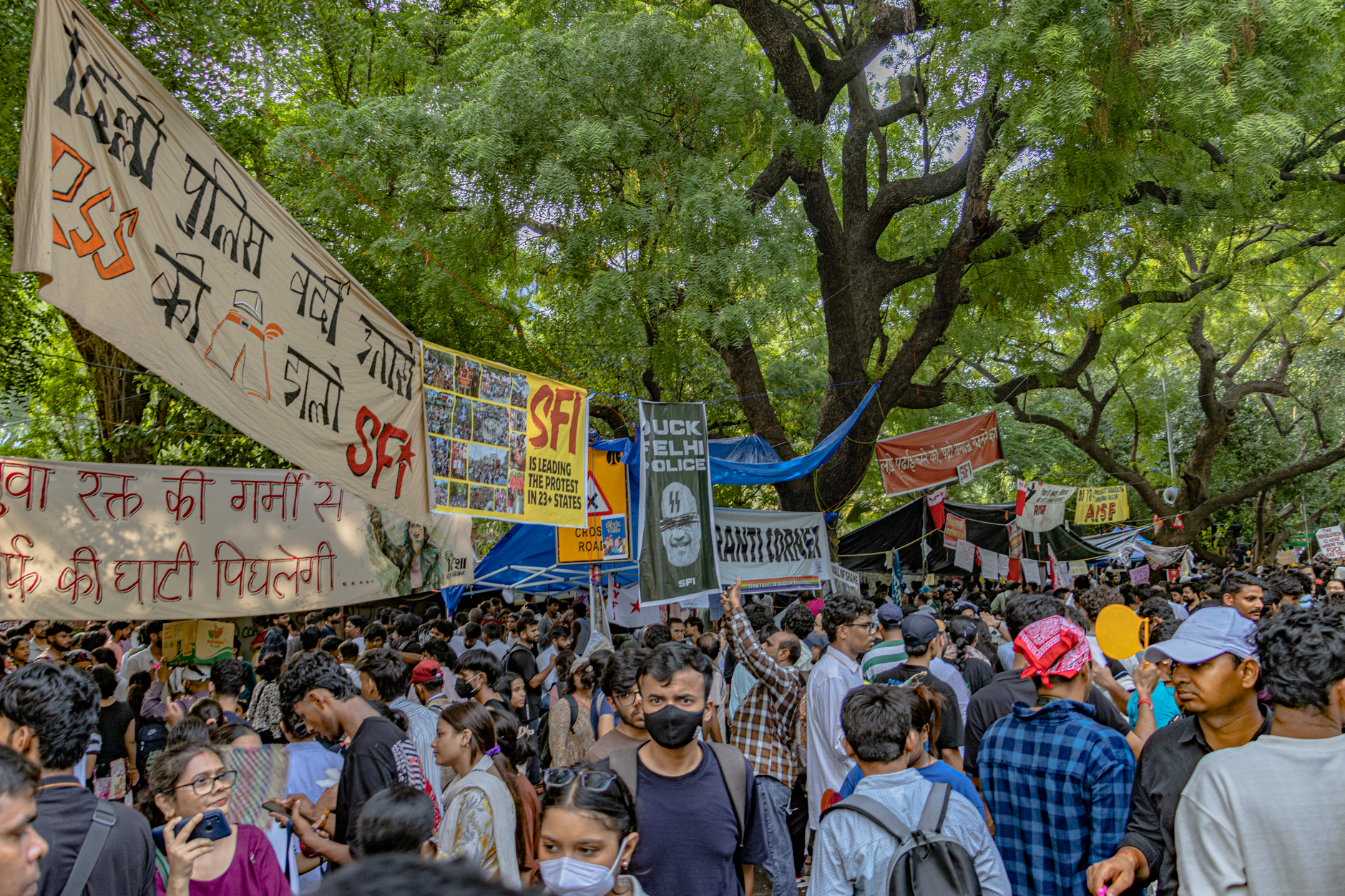
Students have used creative methods to draw attention, including organized demonstrations where participants symbolically dress in black or carry placards depicting cockroaches. The imagery serves as a stark reminder of the conditions some students endure while pursuing their education.
Government's Initial Response
Central and state governments have responded to these protests through multiple channels:
- Formation of inspection committees to assess educational infrastructure
- Announcements of budget allocations for hostel and campus upgrades
- Promises of faster complaint redressal mechanisms
- Engagement with student representatives in some states
- Deployment of additional cleaning and maintenance staff
The Ministry of Education has publicly acknowledged concerns about infrastructure gaps, particularly in centrally-funded institutions. Officials have pointed to ongoing schemes like the Samagra Shiksha programme, which includes provisions for improving school infrastructure, though critics argue implementation remains inconsistent.
State-Level Variations in Response
Different states have adopted varying approaches. Some state governments have fast-tracked renovation projects and released emergency funds for immediate repairs. Others have constituted student welfare committees to create formal channels for grievance reporting.
However, responses have not been uniformly positive. In certain instances, protests have been met with dispersal orders, and some student leaders have faced disciplinary action from their institutions. This has led to additional criticism about suppressing legitimate concerns rather than addressing root causes.
Policy Announcements and Commitments
In response to mounting pressure, several policy initiatives have been announced:
- Regular mandatory audits of educational institution infrastructure
- Digital platforms for students to report maintenance issues
- Timeline commitments for addressing sanitation complaints
- Increased budgetary provisions for hostel modernization
- Public-private partnership models for campus facility management
The University Grants Commission has issued fresh guidelines requiring universities to maintain minimum standards for student accommodation and campus facilities. Non-compliance could potentially affect institutional accreditation, though enforcement mechanisms remain under scrutiny.
Challenges in Implementation
Despite announcements, several obstacles persist in addressing student concerns comprehensively. Bureaucratic delays, fund allocation bottlenecks, and coordination issues between central and state authorities have slowed progress. Many older educational institutions face structural challenges that require substantial investment beyond routine maintenance.
The privatization debate has also intensified, with some arguing that increased private sector participation could improve standards, while others contend this would compromise accessibility and affordability of education for disadvantaged students.
Student Organizations and Ongoing Advocacy
Student unions and civil society organizations continue monitoring government responses. They have created documentation of conditions across institutions, using social media to maintain public attention. This sustained pressure has prevented the issue from fading from public discourse.
National student federations have submitted memorandums to education authorities demanding concrete timelines and transparent progress reporting. They emphasize that quality infrastructure is not a luxury but a fundamental right for students who represent the nation's future workforce.
Long-Term Implications
The cockroach protests have opened broader conversations about educational priorities in India. Questions about resource allocation, the urban-rural divide in educational quality, and the need for consistent maintenance standards have gained prominence in policy discussions.
As India positions itself as a global education hub and seeks to attract international students, these protests serve as reminders that infrastructure quality directly impacts the country's educational reputation and student outcomes.
The government's response will likely evolve as the movement continues. Whether announcements translate into tangible improvements remains the key question for millions of students across India's educational institutions. The coming months will test the administration's commitment to addressing these long-standing infrastructure challenges.