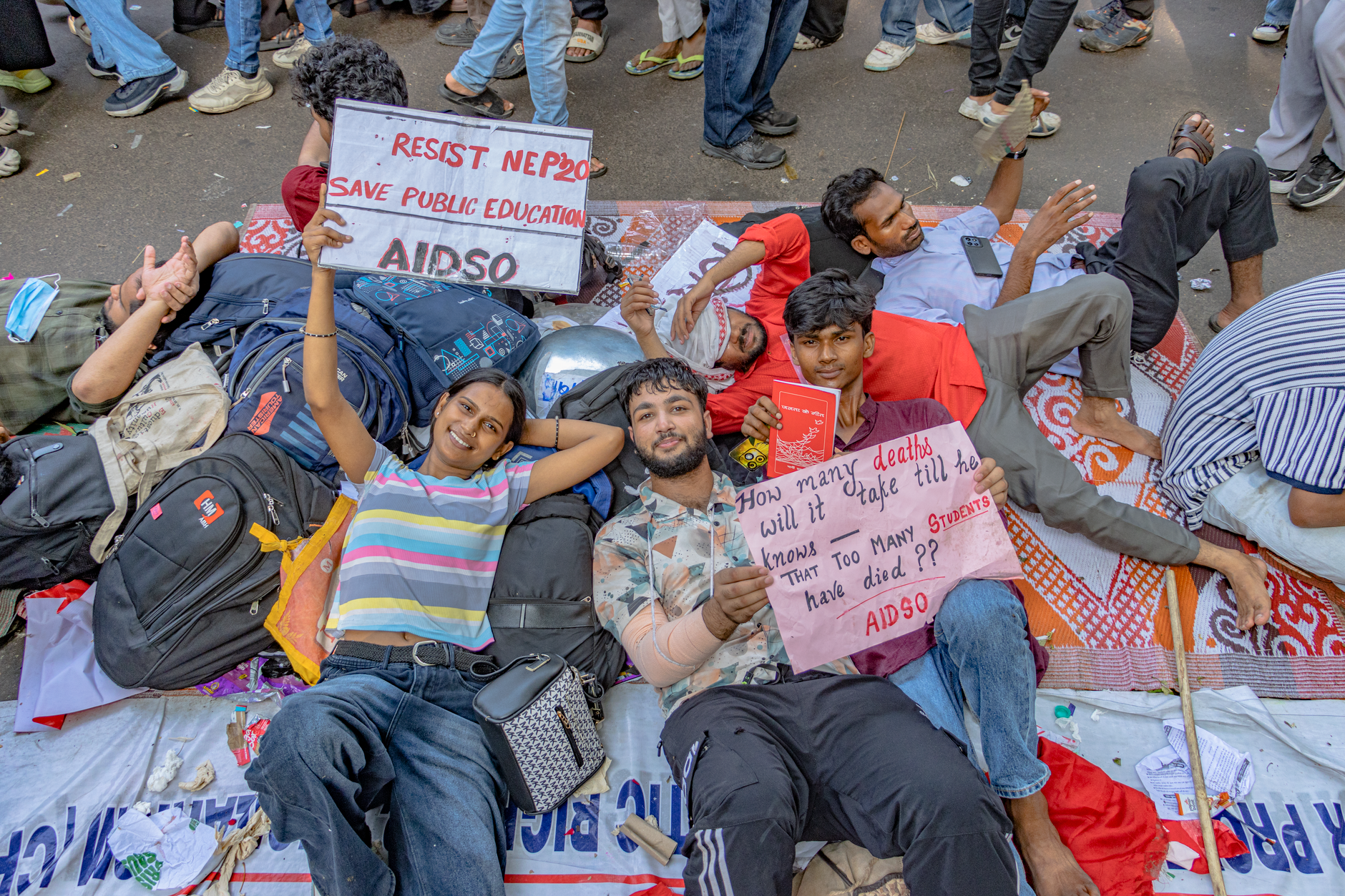
The recent removal of Bangladesh's education minister following sustained student protests has drawn attention across South Asia, particularly in India where student movements have historically played pivotal roles in driving social and political change. The so-called 'Cockroach' movement—a term students adopted to reclaim a derogatory label used against them—represents a new wave of youth activism that refuses to be dismissed or silenced.
Understanding the Cockroach Movement
The movement gained its unusual name after authorities and critics attempted to demean protesting students by comparing them to cockroaches. Rather than retreat, students embraced the term, pointing out that cockroaches are resilient, difficult to eliminate, and survive in the harshest conditions. This rebranding turned an insult into a symbol of persistence and determination.
The protests initially focused on several key educational grievances including quota reform in government jobs, examination irregularities, corruption in educational institutions, and the broader accessibility of quality education. What started as campus-specific demonstrations evolved into a nationwide movement that transcended individual universities and connected students across socioeconomic backgrounds.
Why the Minister's Removal Matters
The sacking of an education minister following student pressure is relatively rare in South Asian politics, where officials typically weather protests through a combination of minor concessions, delay tactics, and occasionally, repression. This outcome signals several important shifts:
- It demonstrates that sustained, organized student activism can produce tangible results
- It shows that governments are increasingly sensitive to youth movements, particularly in the social media age
- It creates a precedent that could embolden similar movements across the region
However, the removal of a single official rarely addresses systemic issues. Education systems across South Asia face deep-rooted challenges including inadequate funding, infrastructure deficits, examination malpractice, unemployment among graduates, and significant quality gaps between elite and public institutions.
Implications for India's Student Activism
India has a rich history of student movements, from pre-independence struggles to more recent protests around fee hikes, campus autonomy, and admission policies. The success of the Cockroach movement offers several lessons for Indian student activists:
The power of sustained organization cannot be understated. Unlike spontaneous protests that fizzle out, movements that build networks across institutions and maintain momentum through coordinated actions tend to achieve more substantial outcomes.
Social media amplification has transformed student activism. Platforms allow rapid mobilization, documentation of incidents, and the bypassing of traditional media gatekeepers. The Cockroach movement effectively used digital tools to counter official narratives and build public support.
Framing matters significantly. By reclaiming the cockroach label, students turned their vulnerability into strength and created a memorable, media-friendly identity that attracted coverage and solidarity.
Challenges Ahead
Despite the minister's removal, the movement faces crucial questions about its future direction. Some key challenges include:
- Ensuring that symbolic victories translate into concrete policy reforms
- Maintaining unity as different student groups may have competing priorities
- Preventing co-option by political parties seeking to instrumentalize youth energy
- Addressing the risk of government backlash or surveillance of activists
The movement must also navigate the difficult transition from protest to participation. How do students ensure their voices remain central to education policy reform? Who represents the movement in negotiations with authorities? How can momentum be sustained when immediate demands are partially met?
Broader Education Reform Needs
Across India and South Asia, education systems require comprehensive reforms that go beyond ministerial changes. These include transparent admission processes, accountability mechanisms for examination boards, improved teacher training and compensation, infrastructure investments in public institutions, and better alignment between education and employment opportunities.
Student movements can pressure governments, but lasting change requires institutional reforms, adequate resource allocation, and genuine stakeholder participation in policy formulation.
The Path Forward
For the Cockroach movement and similar student initiatives in India, the minister's sacking represents both victory and crossroads. The challenge now is converting protest energy into sustained advocacy for systemic change. This might involve forming student unions with clear policy agendas, engaging with education committees, documenting grievances systematically, and building alliances with teachers, parents, and education researchers.
The resilience symbolized by the cockroach metaphor will be tested not just in streets and campuses, but in the patient, unglamorous work of ensuring that today's activism yields tomorrow's reforms. Whether the movement can evolve from reactive protest to proactive participation will determine its lasting impact on South Asian education.
The coming months will reveal whether this represents a genuine turning point in student-government relations or merely a temporary pressure valve that allows systems to continue largely unchanged.