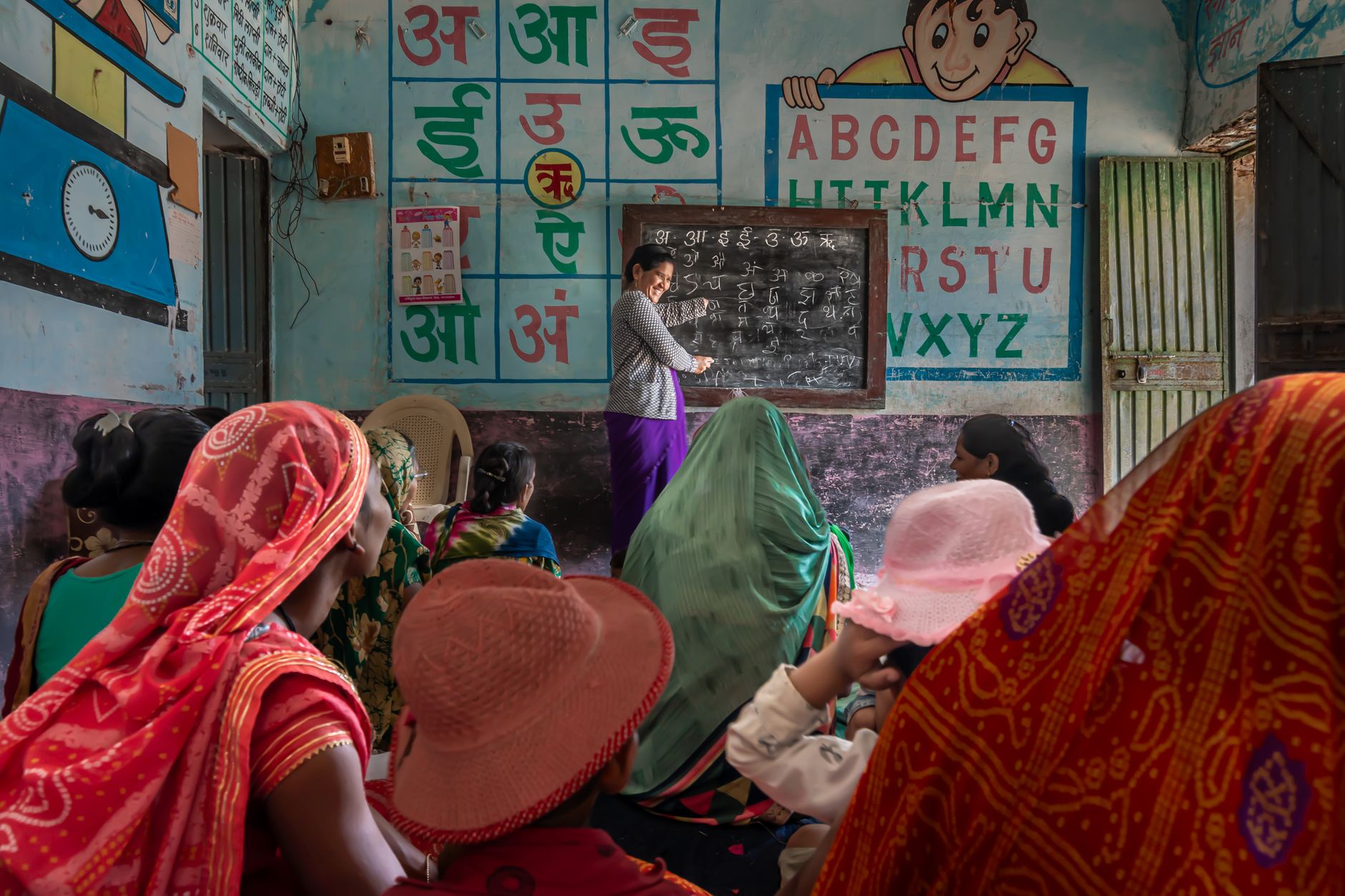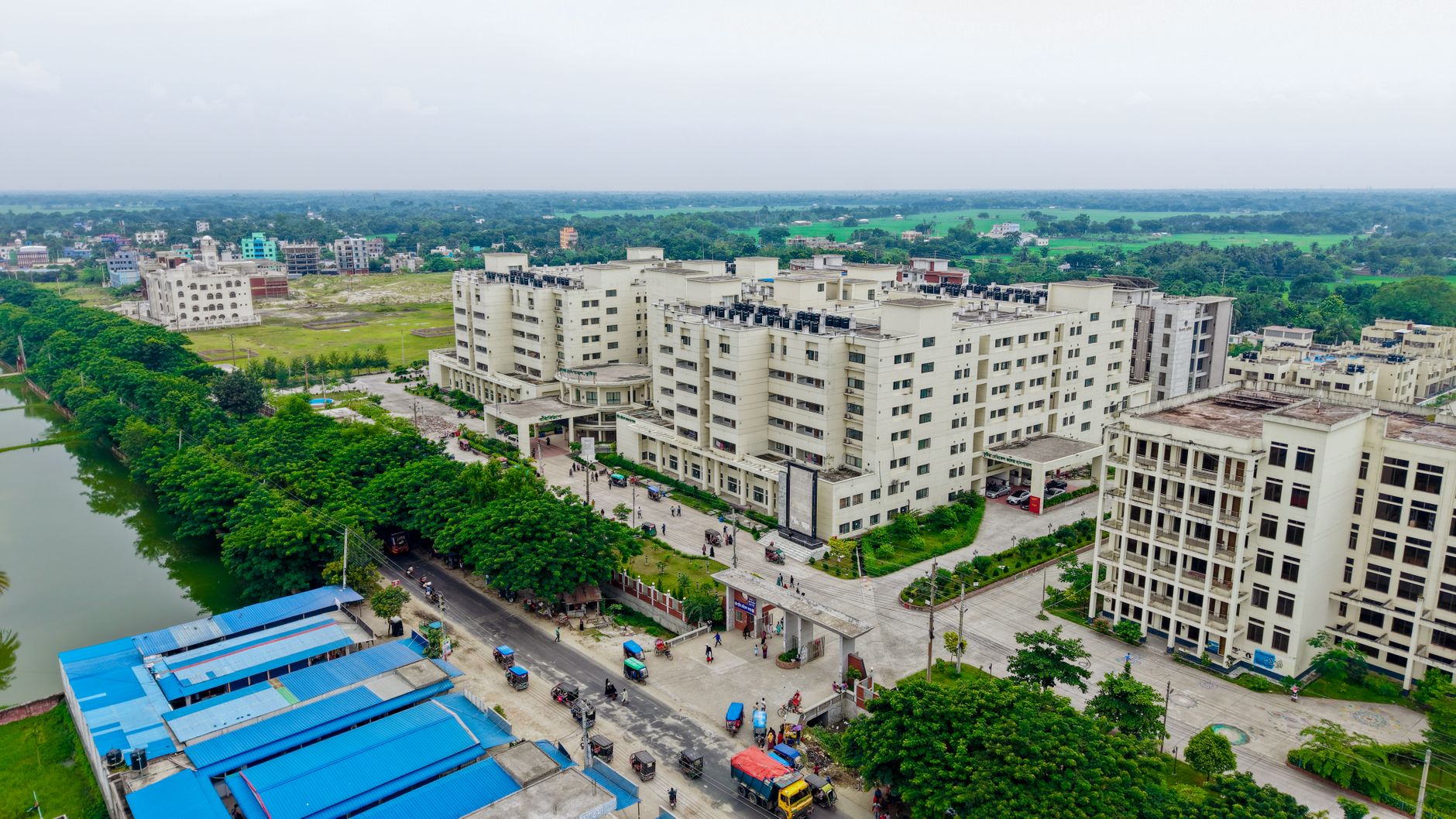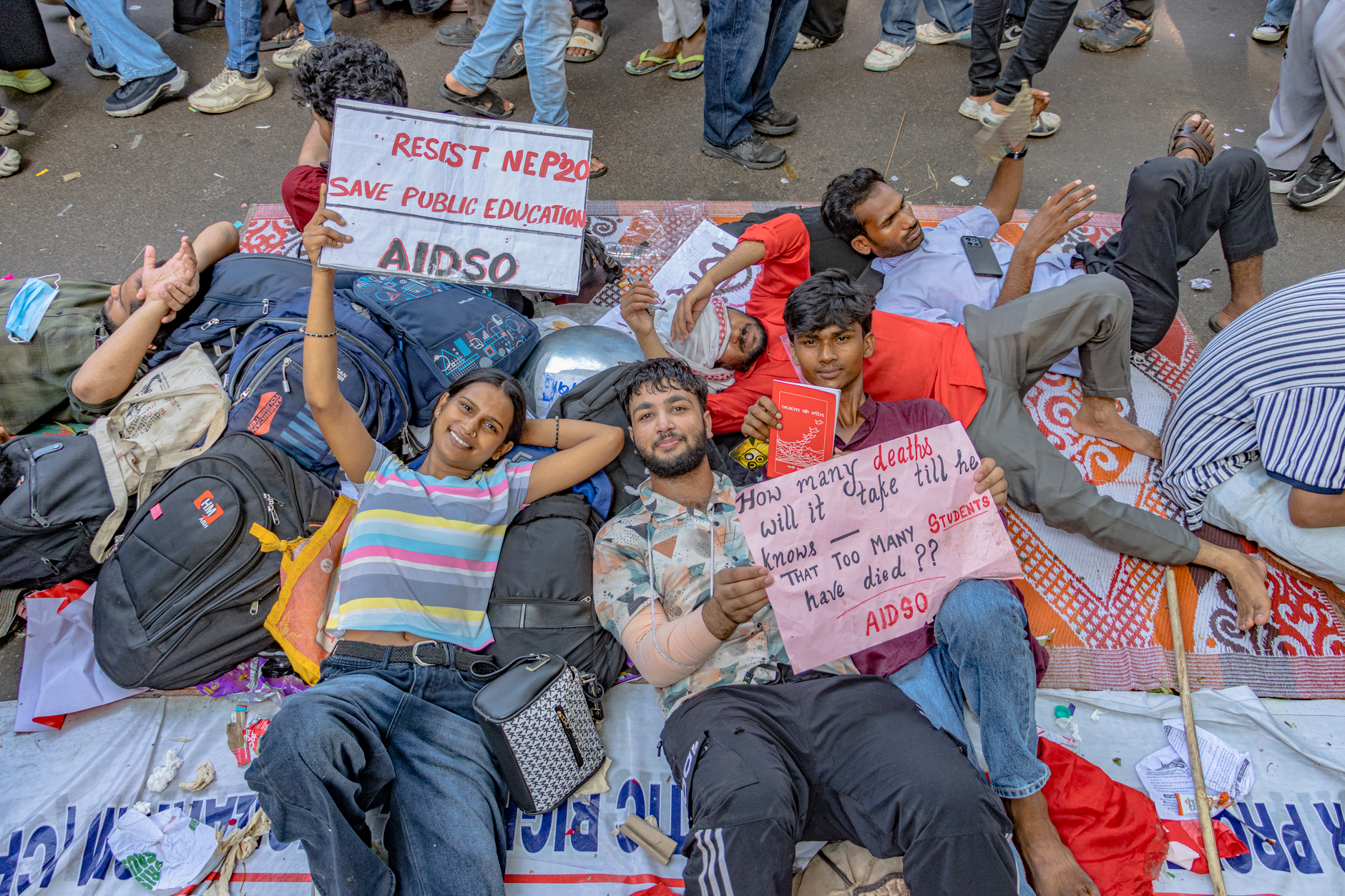
Indian university campuses have witnessed the emergence of a distinctive protest movement that has caught the attention of policymakers and education administrators nationwide. The so-called 'Cockroach' movement represents a new wave of student activism that is fundamentally reshaping conversations about higher education reform, institutional autonomy, and the role of youth voices in democratic discourse.
Understanding the Cockroach Label
The term 'Cockroach' may sound derogatory, but student activists have reportedly embraced it as a badge of resilience. Just as cockroaches are known for their ability to survive in challenging conditions and their resistance to elimination, student protesters have adopted the metaphor to symbolize their persistence in demanding educational reforms despite administrative pressure and political pushback. This self-deprecating yet defiant branding reflects a generation comfortable with unconventional forms of political expression.
The movement's origins can be traced to various campus-level grievances that have coalesced into a broader critique of India's higher education system. From concerns about fee hikes and funding cuts to questions about curriculum design and faculty appointments, students across multiple universities have found common cause.
Core Demands and Concerns
The movement centres around several interconnected issues that affect millions of Indian students:
- Affordable access to quality education, with particular focus on preventing steep fee increases that price out economically disadvantaged students
- Greater student representation in university decision-making bodies and administrative committees
- Protection of campus autonomy from political interference in academic matters
- Expansion of scholarship programmes and financial aid for students from marginalized communities
- Transparency in faculty hiring and promotion processes
- Improved infrastructure and learning resources at public universities
These concerns reflect broader anxieties about India's education sector at a time when the country is positioning itself as a global knowledge economy. With one of the world's youngest populations, India's ability to provide quality, accessible higher education directly impacts its demographic dividend and economic competitiveness.
The Political Dimension
What makes this movement particularly significant is its political timing and implications. Student movements have historically played crucial roles in Indian politics, from the independence struggle to the Emergency period of the 1970s. The current wave of activism occurs against the backdrop of ongoing debates about education policy reforms, including the National Education Policy 2020 and various proposed changes to university governance structures.
Critics of the movement argue that external political elements are manipulating genuine student concerns for partisan purposes. Supporters counter that students have legitimate grievances that transcend party politics and deserve serious engagement from policymakers across the political spectrum.
Impact on Higher Education Governance
The Cockroach movement has already influenced how universities approach student engagement. Several institutions have initiated dialogue mechanisms, formed committees to review fee structures, and created platforms for student feedback on academic policies. However, tensions persist over the pace and scope of reforms.
The movement has also highlighted regional disparities in Indian higher education. While premier institutions in major cities often receive disproportionate attention and resources, students at tier-two and tier-three universities face significantly different challenges, from inadequate infrastructure to limited placement opportunities.
Looking Ahead
The sustainability and evolution of this movement will depend on several factors. Can student groups maintain momentum beyond specific campus incidents? Will university administrators and government officials engage constructively with student demands? How will the movement adapt as the Indian economy and job market continue evolving?
For India's higher education sector, the Cockroach movement represents both a challenge and an opportunity. Institutions that respond thoughtfully to student concerns may emerge stronger and more relevant. Those that dismiss or suppress student voices risk deepening alienation among the very population they aim to serve.
The movement also raises important questions about youth participation in democratic processes. As India's young population grows increasingly educated and connected, their expectations of transparency, accountability, and inclusive governance will likely extend beyond campus boundaries to broader social and political spheres.
Whether viewed as a necessary corrective to educational inequities or as disruptive activism, the Cockroach movement has undeniably placed student welfare and educational access at the centre of national conversation. Its ultimate legacy will depend on how effectively it translates protest energy into concrete policy improvements that benefit India's student community.