In an unprecedented turn of events, India's education minister has stepped down following weeks of sustained protests led by a youth-driven movement that has captured national attention. The resignation represents a rare instance of student activism directly influencing cabinet-level changes in the country's political landscape.
The Cockroach Movement Explained
The movement, which adopted the provocative "Cockroach" moniker, emerged as a grassroots student organization protesting various education policies and systemic issues within India's academic institutions. The name itself carries symbolic weight—cockroaches are resilient, difficult to eliminate, and survive in challenging conditions, qualities the protesters saw as reflective of their determination.
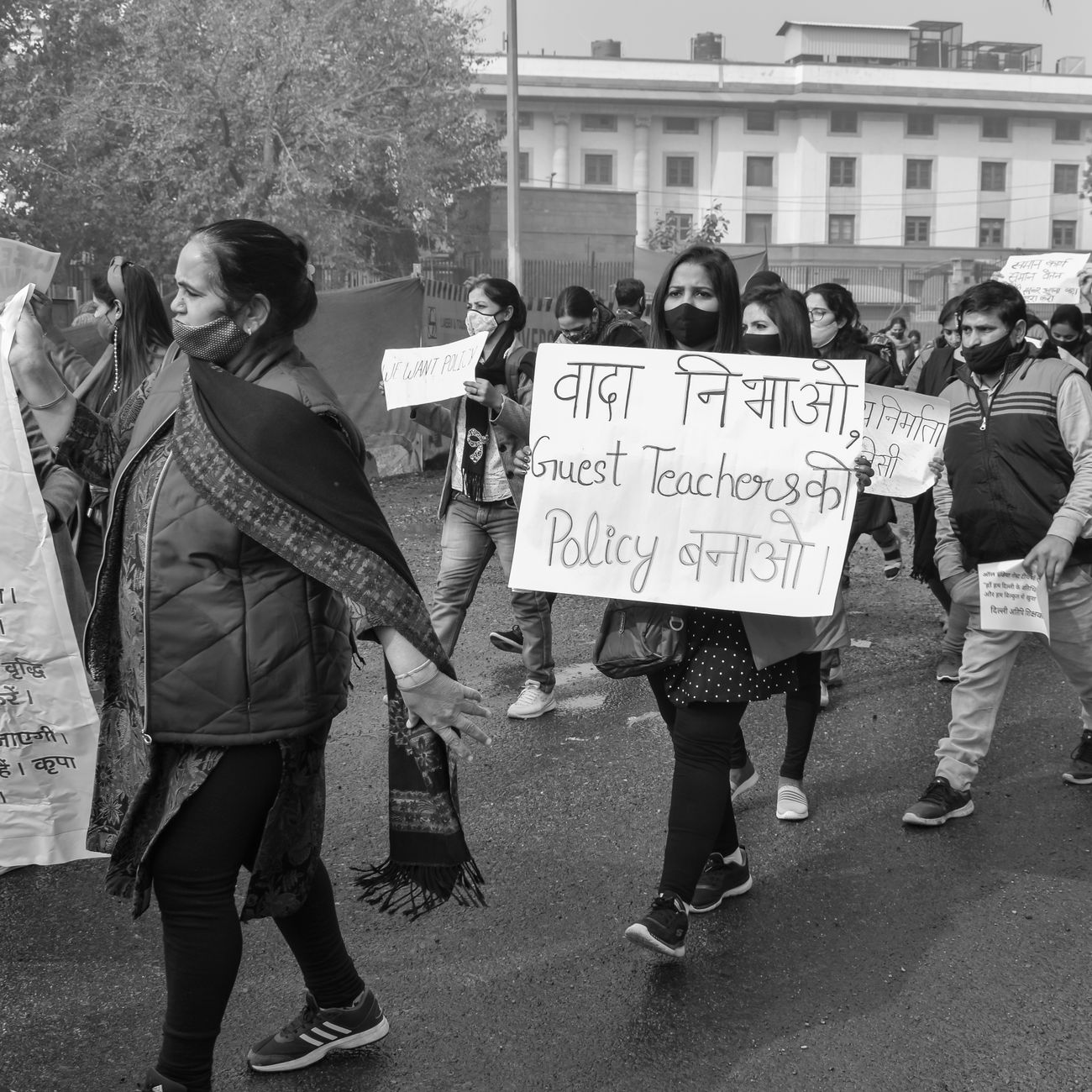
The movement gained momentum across university campuses in major cities including Delhi, Mumbai, Bengaluru, and Kolkata. Students coordinated protests through social media platforms, organizing sit-ins, peaceful marches, and digital campaigns that quickly went viral among India's youth population.
Core Demands and Grievances
The protesters rallied around several key issues affecting students nationwide. Primary among these were concerns about examination policies, particularly in the wake of disruptions caused by the pandemic years. Many students argued that assessment methods had not adequately adapted to changed circumstances, placing unfair burdens on learners.
Other demands included:
- Reduction in university fees and better financial support for economically disadvantaged students
- Improvements to infrastructure in government schools and colleges
- Greater transparency in administrative decisions affecting academic institutions
- Reform of outdated curricula to align with modern job market requirements
- Enhanced mental health support services for students
The movement also highlighted concerns about the centralization of education policy-making, with protesters arguing for more input from students, teachers, and local communities in decisions affecting their institutions.
The Political Fallout
The minister's resignation comes after mounting pressure not only from the streets but also from within political circles. Opposition parties seized upon the protests to criticize the government's handling of education matters, while some members of the ruling coalition reportedly expressed concerns about the optics of confronting student protesters.
The scale of the protests grew significantly in recent weeks, with estimates suggesting hundreds of thousands of students participated in coordinated actions across multiple states. The visibility of the movement made it increasingly difficult for the government to dismiss the demands as fringe concerns.
Broader Context of Student Activism in India
India has a rich history of student movements influencing political and social change. From the independence movement to more recent protests about campus autonomy and civil liberties, students have repeatedly demonstrated their ability to mobilize effectively around shared concerns.
However, the Cockroach movement stands out for its decentralized structure and digital-first approach. Unlike traditional student unions that operate through established hierarchies, this movement emerged organically from social media organizing and maintained flexibility in its tactics and messaging.
What This Means for Education Policy
The immediate impact of the resignation remains to be seen, as much will depend on who takes over the education portfolio and what policy changes, if any, are implemented in response to the protests. Student leaders have indicated they will continue applying pressure to ensure concrete reforms follow this symbolic victory.
Education experts suggest this moment could represent a turning point in how student voices are incorporated into policy decisions. The success of the movement may embolden other groups to organize around specific grievances, potentially leading to a more responsive approach to education governance.
Challenges Ahead
Despite the celebratory mood among protesters, significant challenges remain. India's education system serves over 250 million students across diverse contexts—from elite urban institutions to under-resourced rural schools. Implementing meaningful reforms that address the various concerns raised will require sustained political will and substantial resources.
Additionally, the movement will need to maintain momentum and unity to ensure that this resignation translates into tangible policy changes rather than remaining a purely symbolic victory. Student leaders have acknowledged that removing one minister does not solve systemic problems, but they view it as an important first step in forcing broader conversations about educational priorities.
The coming weeks will reveal whether this marks the beginning of significant education reforms or simply a temporary concession to quell protests. Regardless, the Cockroach movement has demonstrated that India's youth are willing and able to organize effectively around issues that matter to their futures.