The resignation of India's education minister has sparked celebrations among student groups and civil society organisations that had been demanding accountability for a series of examination controversies. The development marks a significant moment in India's education sector, which serves over 250 million students and is one of the largest education systems in the world.
Background to the Protests
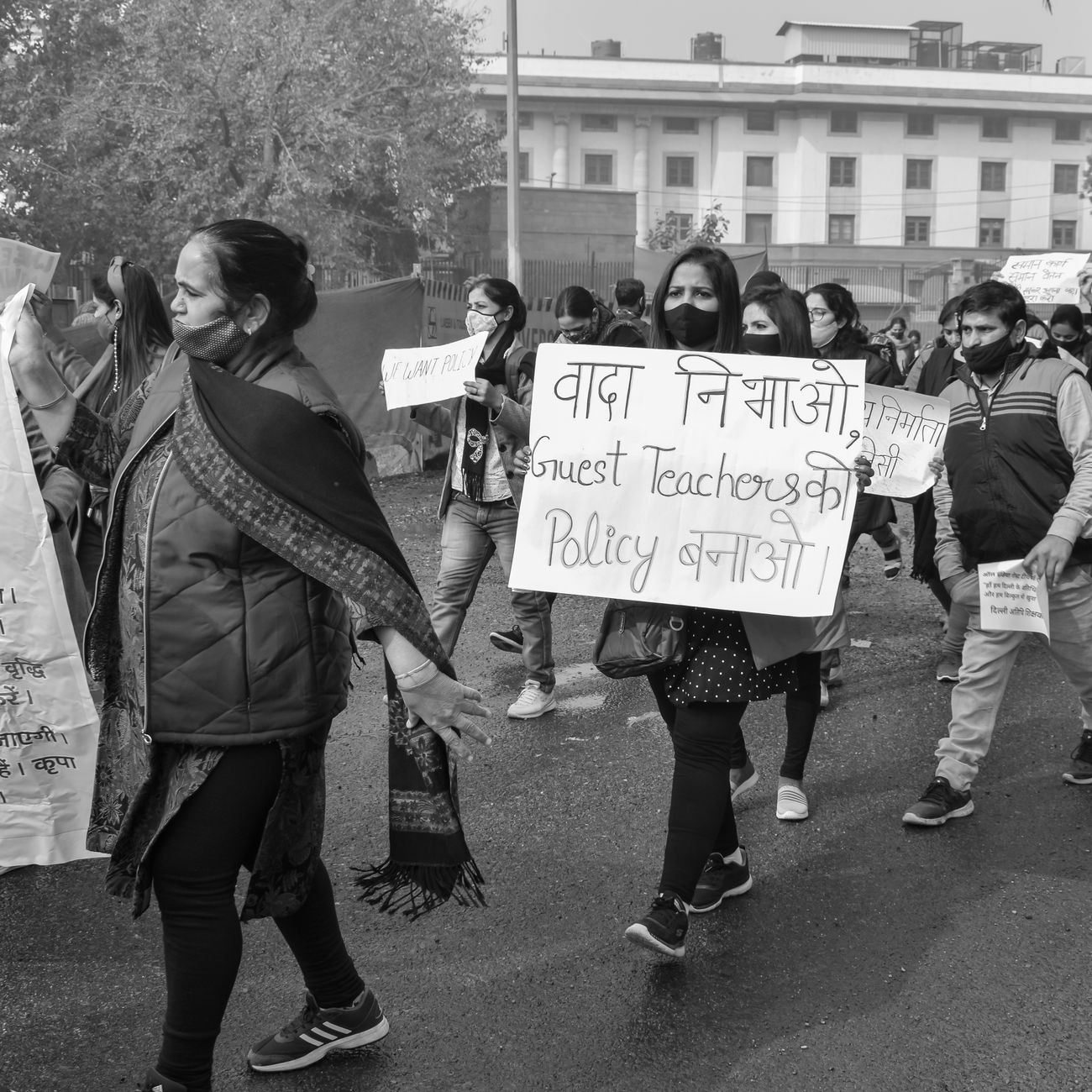
Student unions and parent associations had been organising demonstrations across major Indian cities for several weeks, demanding the minister's resignation. The protests intensified following allegations of examination paper leaks in several competitive exams, including those for government jobs and university admissions. These leaks reportedly affected lakhs of students who had spent months or even years preparing for these critical assessments.
The controversy also centred around proposed changes to examination patterns and eligibility criteria that many stakeholders felt were implemented without adequate consultation. Opposition parties and education experts had joined the chorus of criticism, arguing that the ministry had failed to address systemic issues in the examination process.
Why Examination Integrity Matters in India
In India, competitive examinations serve as the primary gateway to prestigious educational institutions and government employment. Exams like the NEET for medical admissions, JEE for engineering colleges, and various civil services examinations can determine career trajectories for millions of young Indians.
When the integrity of these examinations is compromised, it doesn't just affect individual students – it undermines public trust in meritocracy and creates widespread anxiety among families who invest significant resources in their children's education.
The stakes are particularly high given India's demographics. With one of the youngest populations globally, lakhs of students compete for limited seats in premier institutions each year. Any irregularity in the examination process can have cascading effects on millions of aspirants and their families.
Key Demands of the Protesters
The protesting groups had outlined several specific demands beyond the minister's resignation:
- Implementation of more robust security measures to prevent paper leaks
- Transparent investigation into past examination irregularities
- Compensation and re-examination opportunities for affected students
- Reform of the examination conducting bodies to improve accountability
- Greater student and stakeholder consultation in policy formulation
- Modernisation of the examination infrastructure and processes
Political Implications
The minister's resignation represents a rare instance of a cabinet-level official stepping down due to sustained public pressure in recent years. Political analysts view this as a significant development, particularly given the government's usual stance of standing by its ministers during controversies.
Opposition parties, which had supported the student protests and raised the issue repeatedly in Parliament, have claimed this as a victory for people's movements. However, they continue to demand systemic reforms and investigation into the examination irregularities.
The ruling party faces the challenge of appointing a replacement who can restore confidence in the education ministry while implementing promised reforms. The new minister will inherit a sector grappling with multiple challenges, including digital infrastructure gaps exposed during the pandemic, quality concerns in higher education, and ongoing debates about curriculum reforms.
What Happens Next
The immediate priority for the education ministry will be to address pending examinations and ensure their smooth conduct. Several major competitive exams are scheduled in the coming months, and any further irregularities could trigger renewed protests.
The government is expected to constitute a committee to review examination processes and recommend reforms. There are also calls for adopting international best practices in test security, including advanced technologies to prevent cheating and leaks.
Student organisations have announced they will continue monitoring the situation and maintain pressure for substantive reforms rather than merely symbolic gestures.
Broader Education Challenges
While the examination controversies dominated headlines, India's education sector faces numerous structural challenges. These include quality disparities between urban and rural institutions, teacher shortages, inadequate infrastructure in government schools, and the need to align curricula with evolving job market requirements.
The new education minister will need to balance immediate crisis management with long-term strategic planning to transform India's education system to meet 21st-century demands while ensuring equity and access for all students.
The celebration of the minister's resignation by protesters reflects the deep frustration with the current state of affairs and the urgent need for accountability and reform in one of India's most critical sectors.