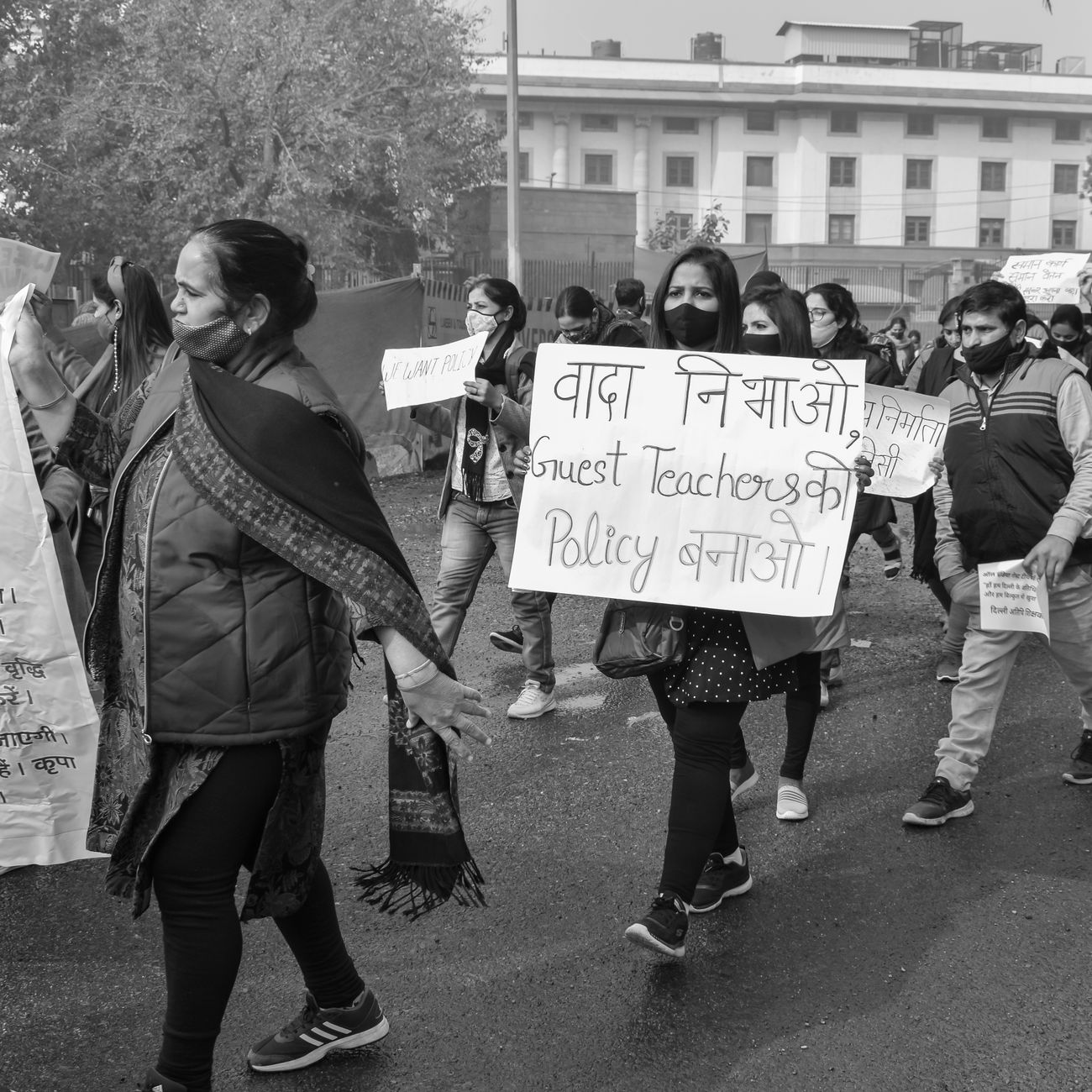
India has witnessed a dramatic turn of events as the country's Education Minister has stepped down following sustained protests by students and youth activists. The resignation marks a rare instance of grassroots mobilization successfully pressuring a cabinet-level official to resign, highlighting the growing political consciousness among India's young population.
Background of the Protests
Student movements in India have a long and storied history, from the independence struggle to modern-day activism around educational access and quality. The recent protests appear to have centered on grievances related to education policy, examination systems, or institutional reforms. India's vast and complex education system serves over 250 million students across schools and universities, making any policy changes deeply consequential for millions of families.
Youth protesters have increasingly taken to social media and street demonstrations to voice concerns about various aspects of the education sector. Common issues that typically mobilize students include examination reforms, admission policies, fee structures, reservation quotas, curriculum changes, and the overall direction of educational institutions.
Why Education Reform Matters in India
India's education system faces multiple challenges despite significant progress in enrollment rates over the past decades. The sector must balance competing demands: expanding access to quality education, maintaining academic standards, preserving affordability, respecting India's diverse cultural and linguistic landscape, and preparing students for a rapidly changing global economy.
The National Education Policy 2020 introduced sweeping changes to the structure and approach of Indian education, but implementation has faced criticism and calls for modifications. Any significant policy shift affects not just current students but also teachers, administrators, and the broader job market that depends on educational outcomes.
The Power of Student Activism
The success of these protests in achieving the minister's resignation demonstrates several important dynamics in contemporary India:
- **Digital Mobilization**: Young Indians are adept at using social media platforms to organize, share information, and build momentum for their causes
- **Coalition Building**: Effective student movements typically unite diverse groups across universities, cities, and socioeconomic backgrounds
- **Media Attention**: Sustained protests that capture public imagination can create pressure on government officials through media coverage
- **Democratic Accountability**: The resignation shows that elected officials and appointees can be held accountable by organized civic action
Implications for Indian Politics
A cabinet minister's resignation following protests is not a routine occurrence in Indian politics, making this event particularly noteworthy. It may embolden other activist groups to believe that sustained, peaceful mobilization can produce tangible results. The government's response also signals sensitivity to youth concerns ahead of future elections, given that young voters constitute a significant portion of India's electorate.
The education portfolio is considered crucial in India, both for its direct impact on millions of students and for its symbolic importance in shaping the nation's future. Whoever assumes the role next will face immediate scrutiny and high expectations for addressing the concerns that sparked these protests.
What Happens Next
Following the minister's resignation, several questions remain:
- **Policy Continuity**: Will the resignation lead to substantial policy changes or merely personnel reshuffling?
- **Protest Demands**: Have the specific demands of protesters been addressed, or was the resignation itself the primary goal?
- **Implementation**: Will there be concrete reforms in examination systems, admission processes, or other areas of student concern?
- **Future Activism**: Does this success establish a template for future student movements on other issues?
The government will need to balance responding to legitimate student concerns while maintaining policy coherence and avoiding the perception that ministers can be easily pressured to resign through street protests.
The Broader Context
This development occurs within India's dynamic democratic landscape, where civil society activism plays an important role in shaping policy debates. Education remains deeply personal for Indian families, who often make significant financial sacrifices to ensure their children receive quality schooling and have opportunities for upward mobility.
The resolution of these protests through the minister's resignation may be viewed as a victory for democratic engagement, though the ultimate measure of success will be whether substantive improvements follow in the education system that triggered the demonstrations in the first place.
As India continues its journey as the world's most populous democracy with a predominantly young population, the intersection of youth activism and education policy will likely remain a critical area of political and social development.