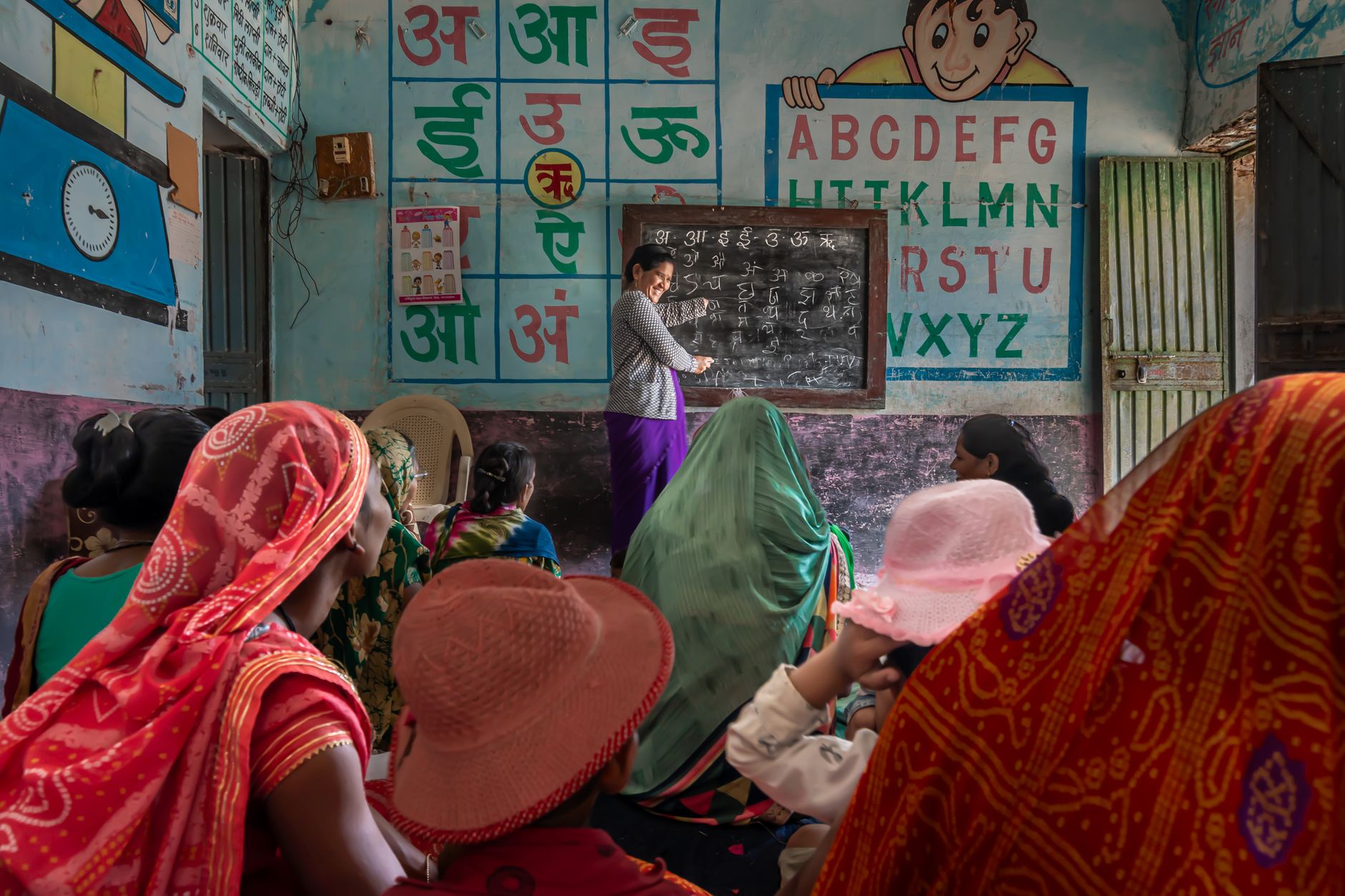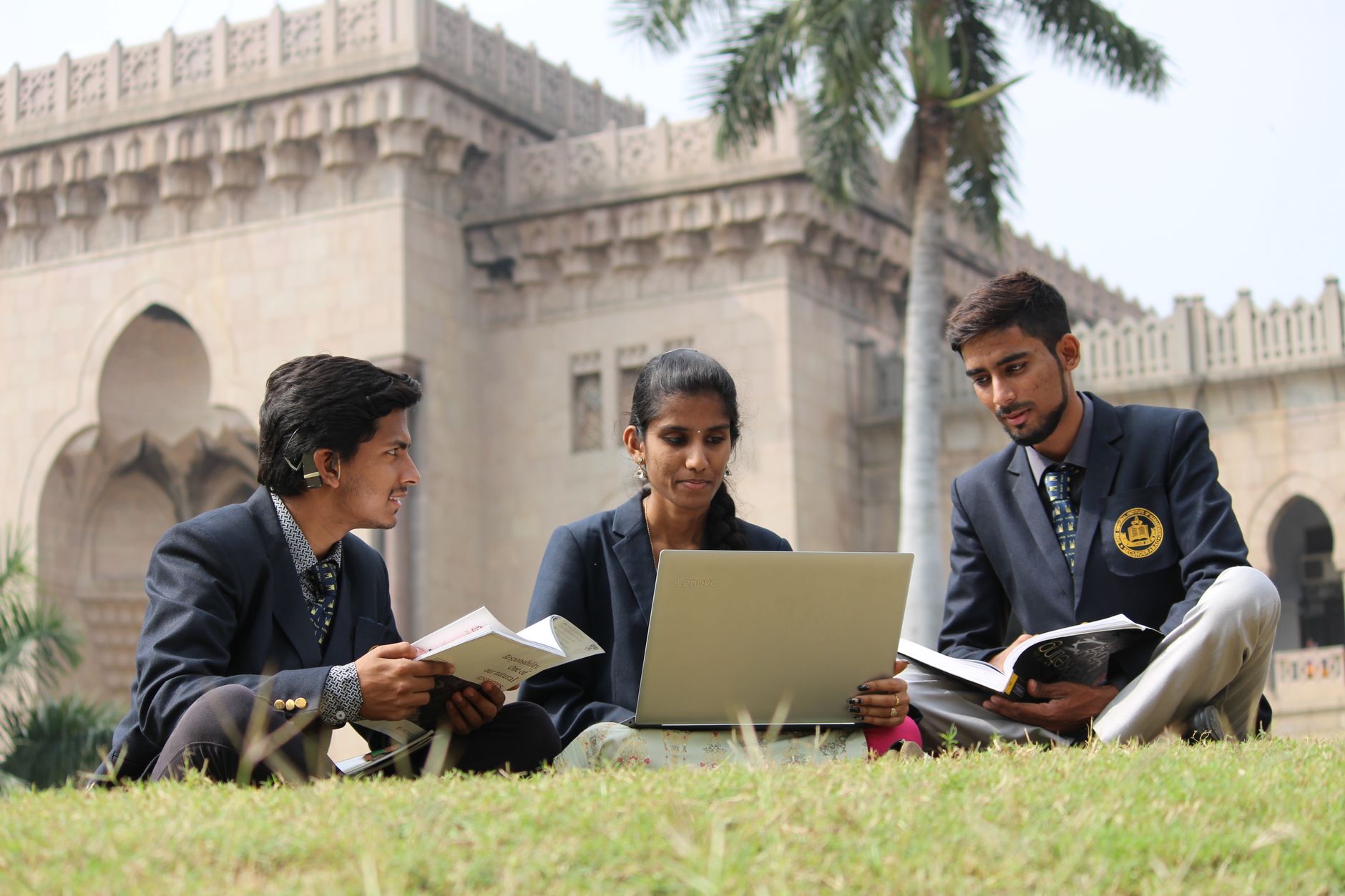
India's youngest generation is facing an education crisis that goes far beyond textbooks and classrooms. Across the country, students are expressing deep frustration with an examination system plagued by scandals, a curriculum they find outdated, and job prospects that seem increasingly disconnected from their qualifications.
The Exam Paper Leak Epidemic
Recent years have witnessed a disturbing pattern of examination irregularities across India. From competitive entrance tests to government job recruitments, paper leaks have become alarmingly common. Students who spend years preparing for crucial exams find their efforts undermined when question papers circulate on social media hours before the examination begins.
The National Eligibility cum Entrance Test (NEET) and various state-level examinations have faced repeated controversies. These incidents erode trust in the entire merit-based system, leaving millions of aspirants questioning whether hard work truly pays off. For many young Indians, the perception that success depends more on connections or luck than genuine capability is deeply demoralizing.
The Quality of Learning Debate
Beyond examination scandals, students increasingly question what they are actually learning. The Indian education system, largely structured around rote memorization, often fails to develop critical thinking, creativity, or practical skills. Students memorize textbooks to pass exams but struggle to apply knowledge in real-world situations.
Many Gen Z students argue that their curriculum feels disconnected from modern industry requirements. Topics in science and humanities textbooks sometimes reflect outdated information, while crucial subjects like digital literacy, financial planning, and environmental sustainability receive insufficient attention. The gap between what is taught and what employers seek continues to widen.
The Jobs Crisis
Perhaps the most painful reality for India's educated youth is the scarcity of quality employment. India produces millions of graduates annually, but job creation has not kept pace. Engineering colleges churn out hundreds of thousands of engineers each year, yet placement rates remain disappointingly low at many institutions.
Government jobs, once considered the gold standard of employment security, now attract overwhelming competition. Positions that require basic qualifications receive lakhs of applications, leading to acceptance rates below one percent. Private sector opportunities often demand experience that fresh graduates lack, creating a frustrating catch-22 situation.
Comparison with Global Standards
Young Indians are increasingly aware of educational approaches in other countries. Through internet access and global connectivity, they see how students elsewhere engage with project-based learning, internships, and skill development programs integrated into their education. This awareness amplifies their frustration with India's examination-centric approach.
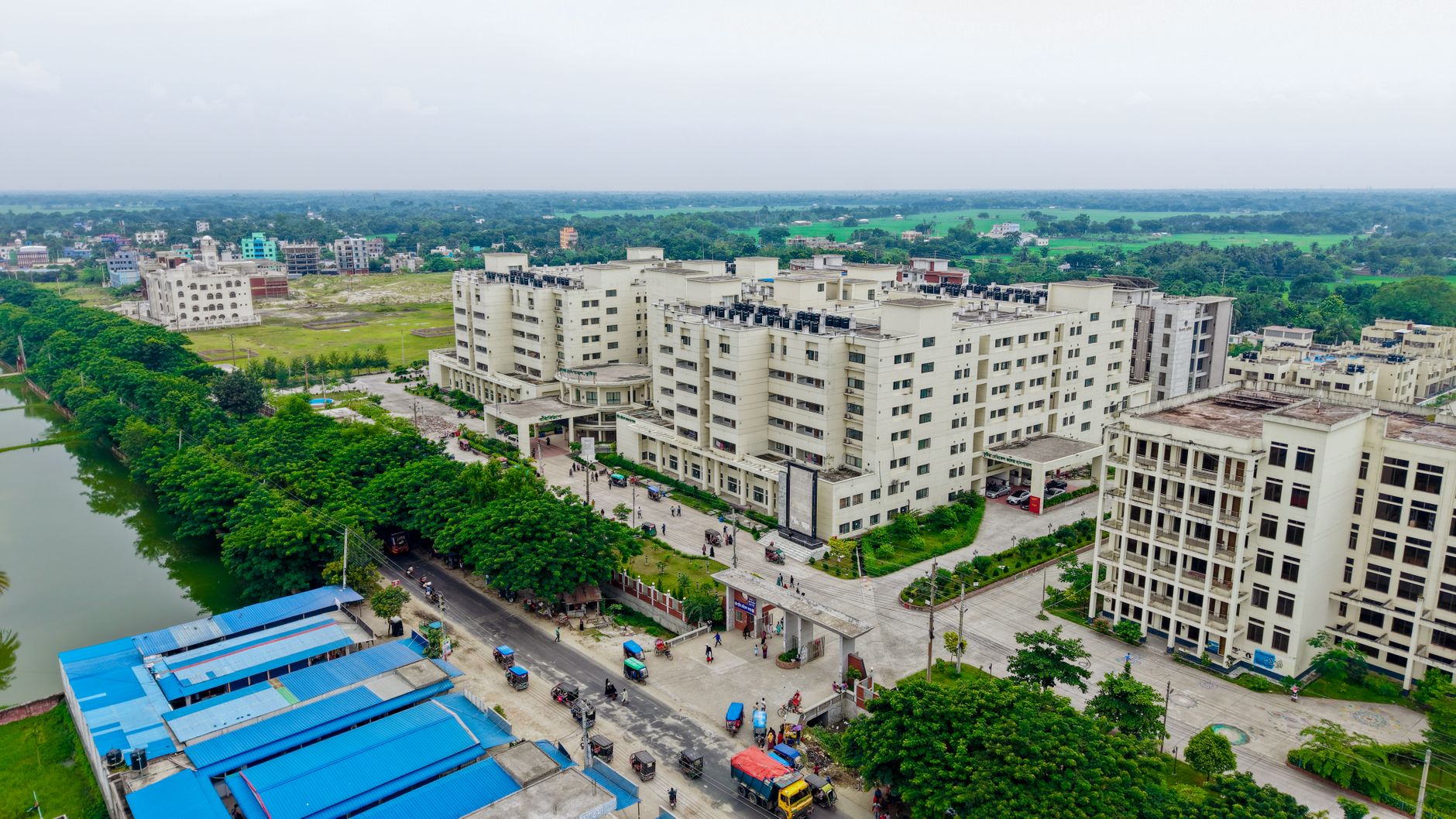
International rankings consistently place most Indian universities far below their global counterparts. While institutions like the IITs maintain prestige, the vast majority of India's higher education institutions struggle with inadequate infrastructure, outdated teaching methods, and limited research opportunities.
Mental Health Implications
The pressure cooker environment of competitive examinations takes a severe toll on student mental health. Coaching institutes in cities like Kota have become symbols of both aspiration and despair, where teenagers spend years in grueling preparation schedules. Reports of student suicides linked to academic pressure have sparked urgent conversations about the psychological cost of India's education system.
Students describe feeling trapped in a system that evaluates their entire worth through a single examination score. The lack of multiple pathways to success creates immense anxiety, particularly when exam irregularities add an element of uncertainty beyond their control.
Demands for Reform
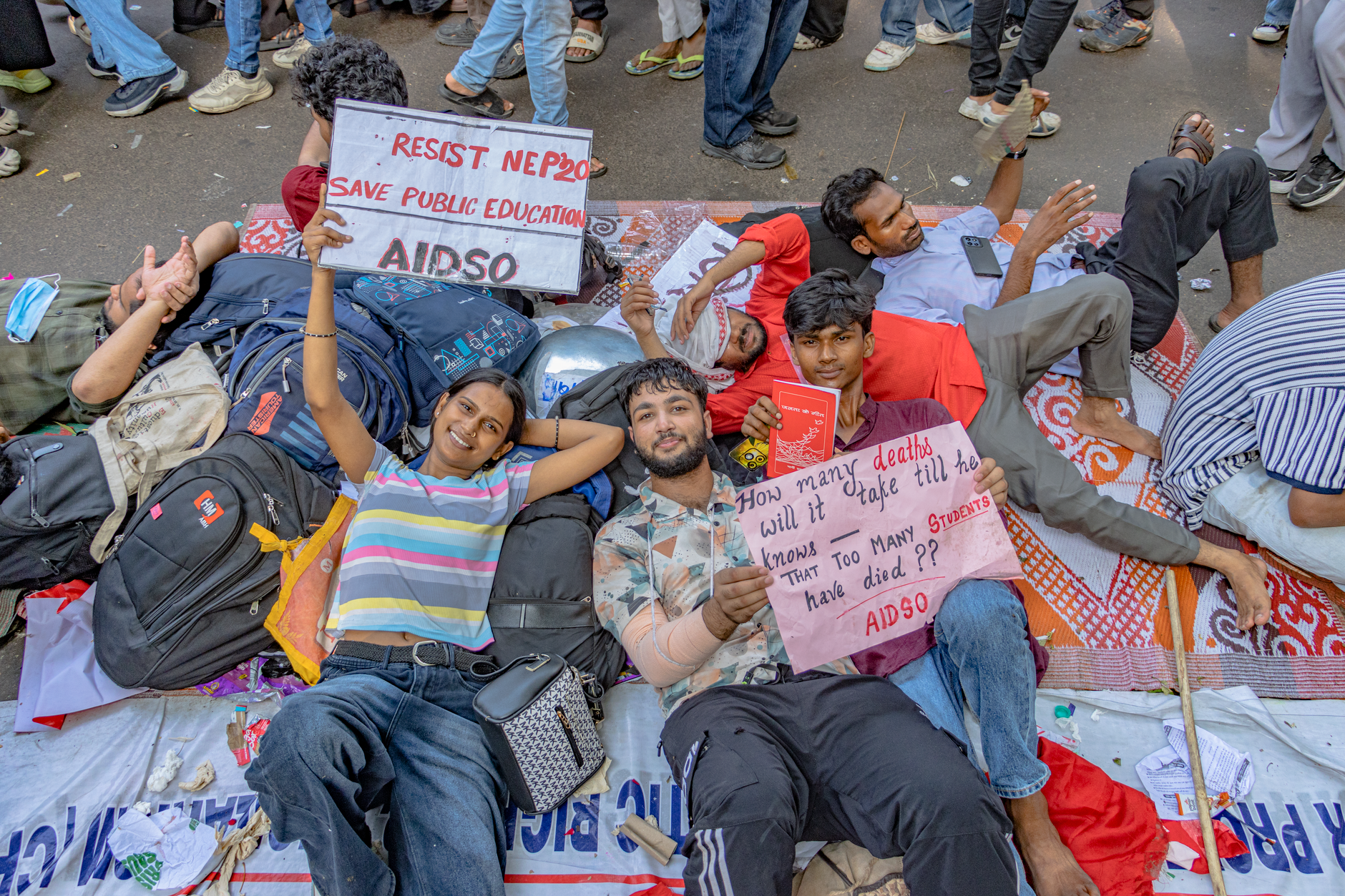
The current generation of students is more vocal than previous ones in demanding systemic change. Social media has amplified their voices, allowing them to organize protests, share grievances, and hold authorities accountable. Their demands include:
- Transparent, technology-enabled examination systems to prevent leaks
- Curriculum updates that reflect contemporary knowledge and skills
- Greater emphasis on practical learning and internships
- More government investment in public universities
- Expansion of quality job opportunities matching educational output
- Mental health support services in educational institutions
Political and Social Implications
This widespread educational discontent carries significant political weight. Young voters represent a massive demographic bloc in India's democracy. Their frustration with current systems could influence electoral outcomes and policy priorities in coming years.
The situation also highlights broader questions about India's development model. Can the country achieve its economic ambitions if its education system fails to prepare students adequately? Will the demographic dividend become a demographic disaster if millions of educated young people cannot find meaningful employment?
The answers to these questions will shape not just individual futures, but India's trajectory as a nation. For now, Gen Z's rage reflects a generation demanding that the systems meant to serve them actually deliver on their promises of meritocracy, quality education, and fair opportunities.