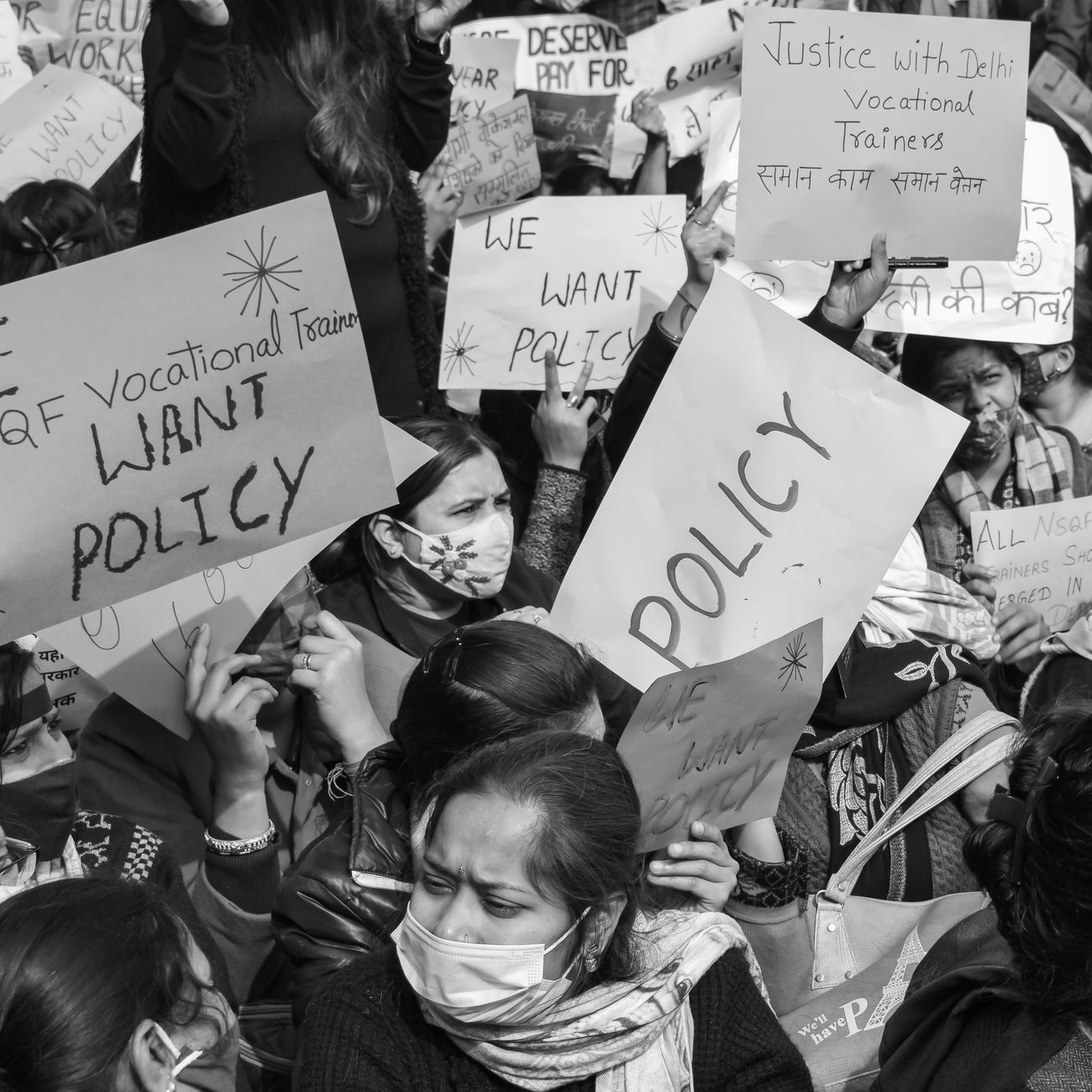
Student activism in India has entered a transformative phase, with young protesters increasingly unwilling to settle for quick fixes to systemic problems in the country's educational landscape. While recent government concessions have marked tactical victories, the movement's leaders emphasize their commitment to comprehensive reform rather than cosmetic changes.
The Context Behind the Protests
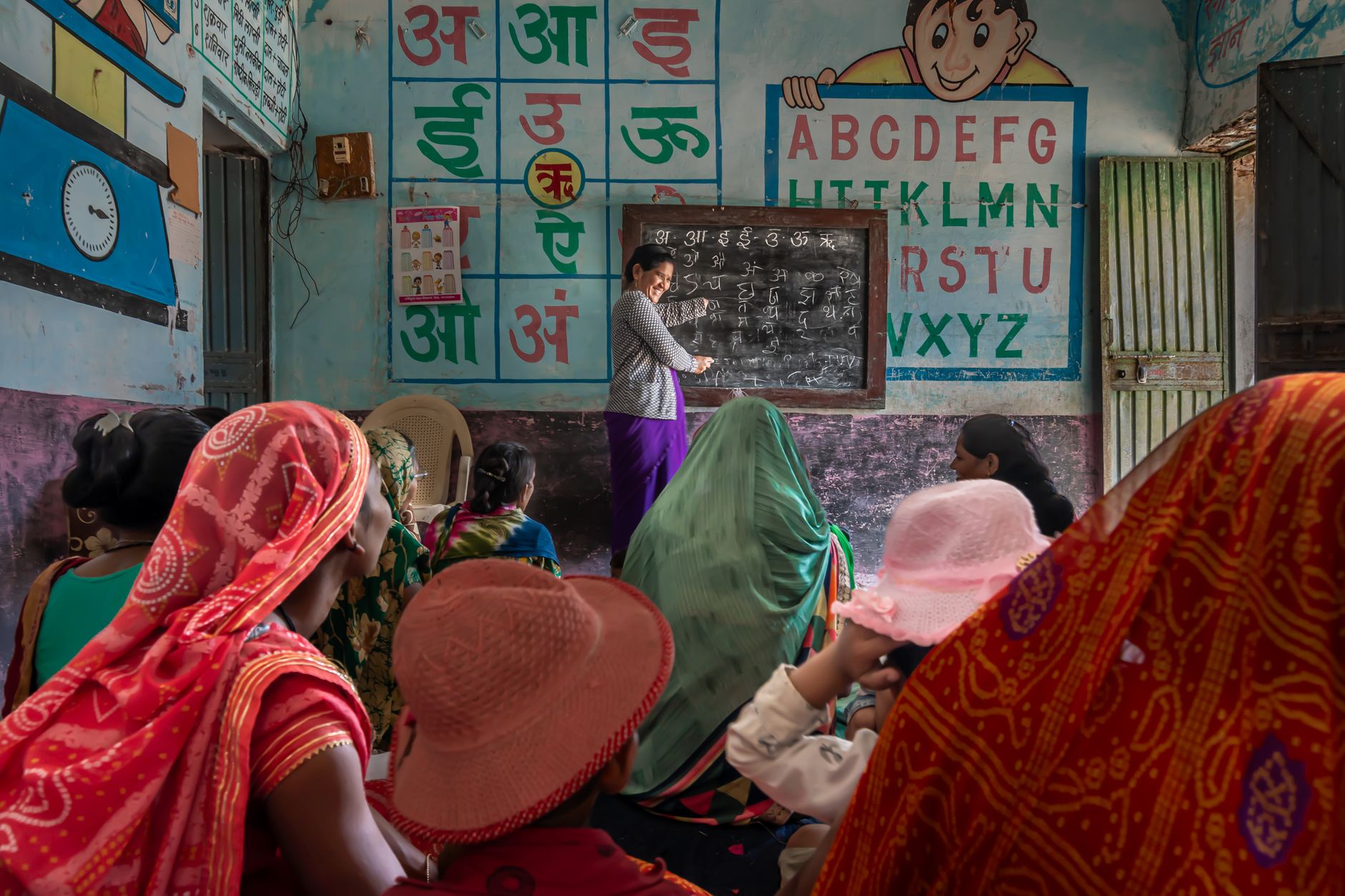
India's education system serves over 260 million students, making it one of the largest in the world. However, this massive infrastructure faces persistent challenges including infrastructure gaps, examination pressures, accessibility issues, and concerns about curriculum relevance in a rapidly changing economy.
Recent student movements have coalesced around various issues, from examination reforms and fee structures to reservation policies and campus autonomy. What distinguishes the current wave of activism is its sophisticated understanding of how individual grievances connect to broader systemic failures.
Why Students Reject "Damage Control"
Young activists argue that governmental responses often amount to damage control—reactive measures designed to quell immediate unrest rather than address root causes. This pattern has played out repeatedly across different educational controversies.
When protests emerge, authorities typically respond with committees, postponements, or minor policy adjustments. While these gestures may resolve the immediate flashpoint, students contend they leave fundamental problems untouched. For instance, rolling back a controversial examination format does not address the underlying issues of rote learning, mental health pressures, or the disconnect between education and employment.
Key Demands of the Movement
The student protest movement encompasses diverse demands that vary by region and institution, but several common themes emerge:
- Comprehensive curriculum reform that emphasizes critical thinking over memorization
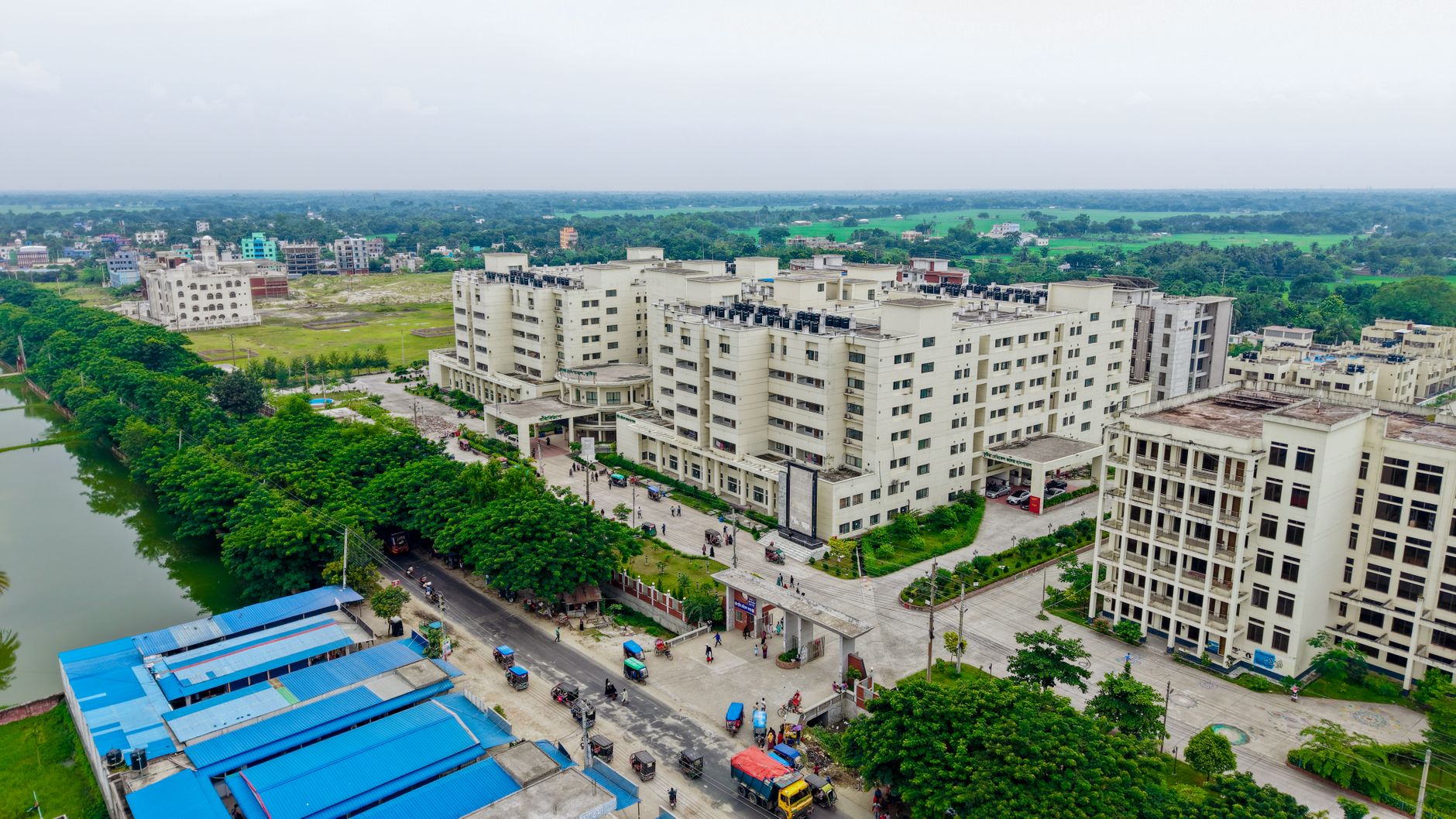
- Increased public investment in educational infrastructure, particularly in rural areas
- Greater institutional autonomy for universities free from excessive political interference
- Transparent and equitable admission processes
- Mental health support systems for students facing academic pressure
- Affordable education with regulated fee structures
- Modernization of teaching methods and learning resources
The Digital Generation's Advantage
Today's student activists leverage technology in ways previous generations could not. Social media platforms enable rapid mobilization, coordination across geographic boundaries, and direct communication that bypasses traditional media gatekeepers.
This digital fluency has created a more resilient protest ecosystem. When authorities attempt to suppress activism on one platform, students quickly migrate to alternatives. They document incidents in real-time, fact-check official statements, and build public support through viral campaigns that reach beyond the student community.
Broader Implications for Democracy
The student movement's insistence on substantive change reflects broader generational shifts in India's democracy. Young people, who constitute a significant demographic bloc, increasingly demand accountability and participation in decisions affecting their futures.
This activism also signals changing attitudes toward authority. Rather than accepting top-down reforms, students seek collaborative policy-making processes that include their voices. They draw connections between educational issues and larger concerns about employment, economic opportunity, and social justice.
Challenges Ahead
Despite their energy and organization, student movements face significant obstacles. Educational reform requires sustained political will, substantial financial resources, and coordination across multiple government levels in India's federal structure.
Additionally, the diversity of India's educational landscape means that solutions cannot be one-size-fits-all. What works in metropolitan universities may not address challenges in rural schools, and vice versa. Balancing these varied needs while pursuing systemic change presents complex policy challenges.
There is also the risk of protest fatigue. Maintaining momentum over the extended timeline required for meaningful reform tests any movement's endurance, particularly when participants are students who eventually graduate and move on.
The Path Forward
The current generation of student activists shows no signs of accepting incremental changes as sufficient. They understand that transforming India's educational system requires persistent pressure, clear articulation of alternatives, and willingness to engage in both street protests and policy discussions.
Their success will depend on building coalitions with faculty, parents, and civil society organizations, while developing concrete proposals that move beyond criticism to constructive reform. The outcome of this movement will likely shape not just India's educational future, but also the broader trajectory of youth political engagement in the world's largest democracy.
As these protests continue to evolve, they represent more than disputes over specific policies—they embody a generation's demand to participate meaningfully in shaping the institutions that will define their opportunities and futures.