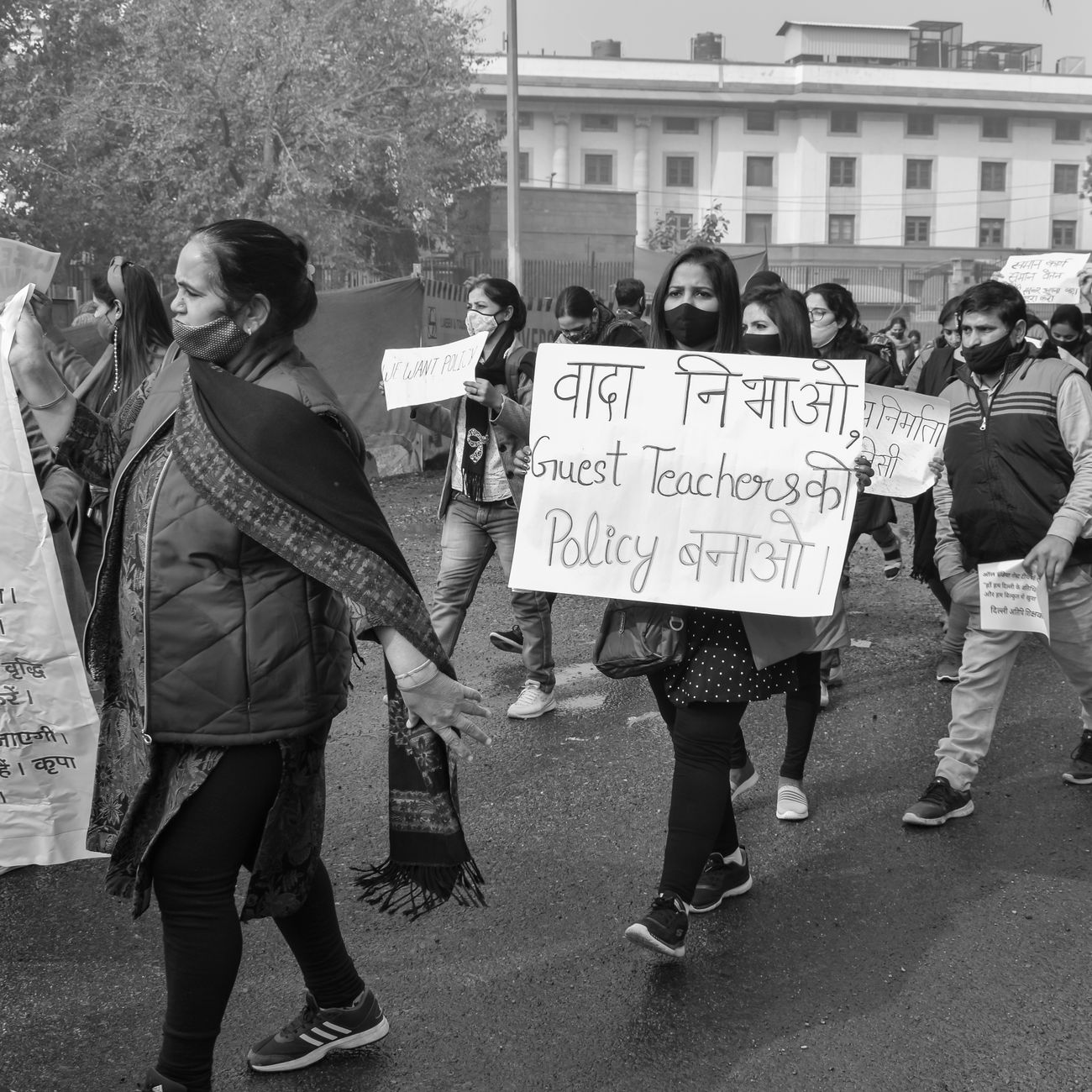
Student activism has once again proven to be a powerful force in shaping India's education landscape. Recent protests by young people across the country have led to significant policy changes in the examination system, culminating in the departure of a high-ranking education official and promises of sweeping reforms.
The Catalyst for Change
The protests erupted after widespread complaints about examination irregularities, paper leaks, and systemic issues that students argued were undermining the credibility of India's competitive exam ecosystem. Young people took to social media platforms and organized peaceful demonstrations in major cities, demanding accountability and structural reforms to ensure fair assessment practices.
The movement gained momentum as stories emerged of students who had prepared for years only to face compromised examinations. The frustration was particularly acute among those from economically disadvantaged backgrounds who view competitive exams as their primary pathway to upward mobility.
Understanding India's High-Stakes Exam Culture
India's education system relies heavily on standardized examinations to determine access to higher education and government employment. Exams like the Joint Entrance Examination (JEE) for engineering, National Eligibility cum Entrance Test (NEET) for medical colleges, and various civil services examinations shape the futures of millions of young Indians annually.
The pressure surrounding these tests is immense. Families often invest substantial resources in coaching classes, and students dedicate years to preparation. When the integrity of these examinations is questioned, it shakes the foundation of what many consider a meritocratic system.
Key Demands of the Protesters
The student movement centered around several critical demands:
- Implementation of stricter security protocols to prevent paper leaks
- Greater transparency in examination processes and result declarations
- Establishment of an independent body to investigate irregularities
- Reforms to reduce the frequency of exam cancellations and re-tests
- Better communication channels between examination authorities and students
- Compensation mechanisms for students affected by cancelled or compromised exams
The Reforms Announced
In response to sustained pressure, authorities have announced a comprehensive package of reforms designed to restore confidence in the examination system. These include enhanced digital security measures, real-time monitoring systems, and stricter penalties for individuals found guilty of facilitating leaks or misconduct.
The government has also committed to establishing dedicated grievance redressal mechanisms that allow students to report concerns without fear of retaliation. There are plans to involve technology more extensively in exam administration, including biometric verification and encrypted question paper distribution.
Broader Implications for Education Policy
This episode highlights the growing willingness of India's youth to mobilize around issues that affect their futures. Unlike previous generations that might have accepted systemic flaws as inevitable, today's digitally connected students are organizing effectively and demanding accountability.
The success of these protests may embolden similar movements around other educational concerns, from the quality of instruction in government schools to the affordability of higher education. It also demonstrates that peaceful, organized activism can produce tangible policy outcomes.
Challenges Ahead
While the announced reforms are encouraging, implementation will be the true test. India's examination system serves an enormous population, and introducing changes at scale requires substantial resources, technological infrastructure, and coordination across multiple agencies.
Critics argue that reforms must go beyond security measures to address the fundamental question of whether the current examination-centric model is the most effective way to assess student potential and distribute educational opportunities. There are calls for a more holistic approach that considers multiple dimensions of student achievement rather than relying solely on a single high-stakes test.
The Role of Technology
Many proposed solutions involve leveraging technology to create more secure and transparent examination processes. From blockchain-based result verification to AI-powered proctoring systems, technology offers tools that could significantly reduce the scope for human error and manipulation.
However, technology implementation must be thoughtful and inclusive. With the digital divide still significant in India, any reforms must ensure that technological upgrades do not inadvertently disadvantage students from rural areas or those without access to advanced digital infrastructure.
The youth-led movement for exam reforms represents a pivotal moment in Indian education policy. As the country works to implement promised changes, the engagement and vigilance of students themselves will be crucial in ensuring that reforms translate into real improvements in how educational opportunities are assessed and distributed.