Israel's tourism industry is charting an ambitious recovery path, with officials expressing confidence that Indian tourist arrivals will bounce back to pre-war levels by 2027. The projection comes as both nations work to deepen diplomatic and economic ties while addressing travel concerns that emerged following regional conflicts.
The Significance of the Indian Market
India has emerged as one of Israel's fastest-growing tourism source markets over the past decade. Before recent geopolitical tensions, Indian visitors represented a substantial and expanding segment of international arrivals, driven by diverse interests ranging from religious pilgrimage to technology sector connections and adventure tourism.
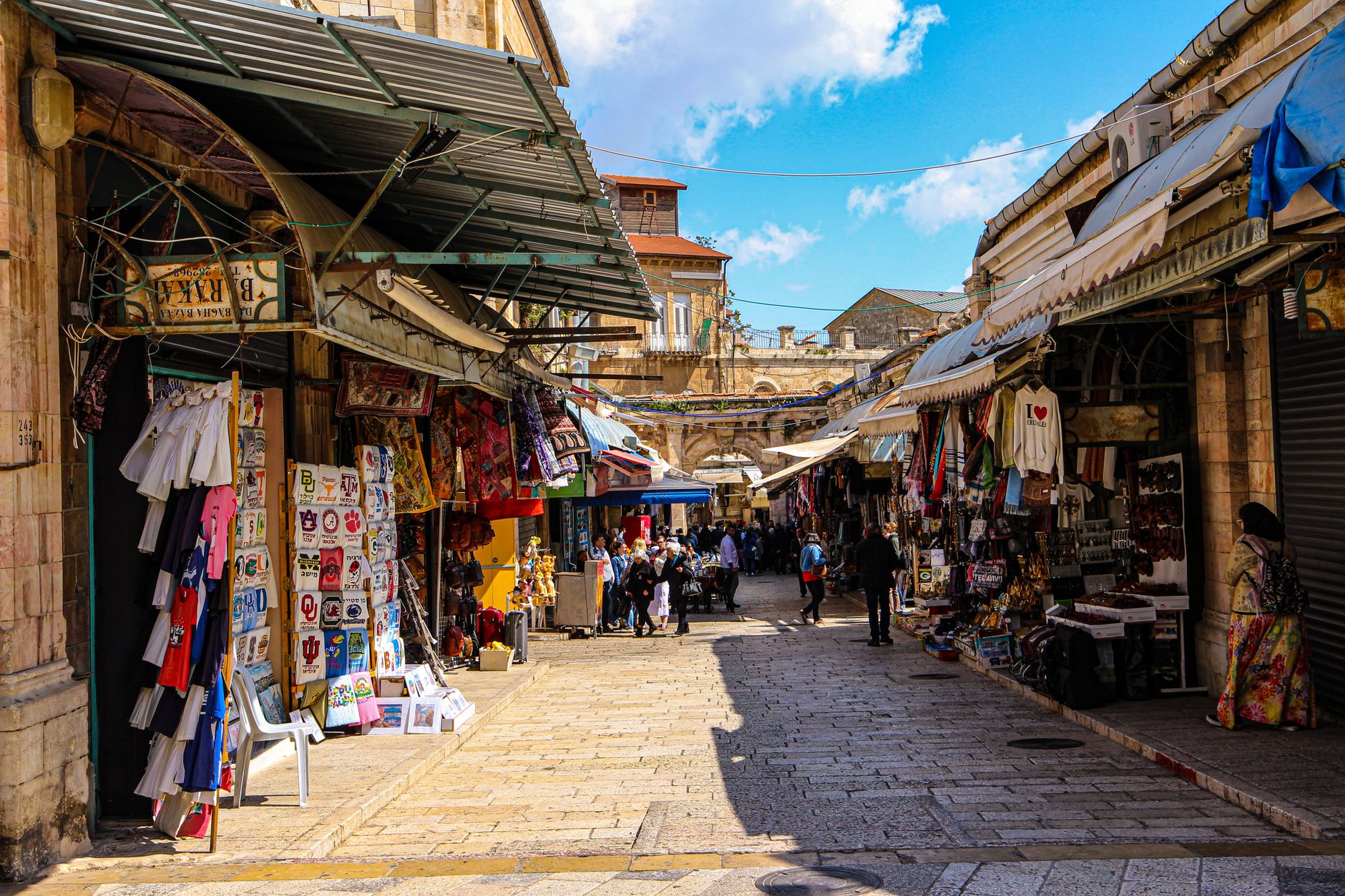
The Indian tourist profile in Israel is notably varied. It includes Christian pilgrims visiting holy sites in Jerusalem, Bethlehem, and Nazareth, Hindu and Buddhist travelers exploring ancient history, young backpackers seeking Mediterranean experiences, and business professionals attending conferences or exploring tech partnerships in Tel Aviv's startup ecosystem.
Factors Driving the Recovery Target
Several elements underpin Israel's optimistic timeline for tourist recovery from India:
- Expanding air connectivity between major Indian cities and Tel Aviv, with multiple carriers exploring new routes
- Visa facilitation measures being discussed to streamline entry processes for Indian nationals
- Growing middle class in India with increased disposable income for international travel
- Enhanced digital marketing campaigns targeting Indian travelers through social media and travel platforms
- Strengthened bilateral relations between the two countries in trade, defense, and technology sectors
Challenges to Overcome
Despite the ambitious target, Israel's tourism sector faces meaningful hurdles in restoring Indian confidence and visitor numbers. Security perceptions remain a primary concern, with many potential travelers and their families harboring reservations about safety in a region that frequently appears in news headlines related to conflict.
Travel costs also present a barrier. Israel ranks among the more expensive destinations globally, and flights from India typically involve long journeys with connections. Economic conditions in India, including currency fluctuations and inflation, can impact discretionary spending on international holidays.
Competition from alternative destinations adds another layer of complexity. Countries like Turkey, Egypt, and Jordan offer similar historical and religious experiences at lower price points, while Southeast Asian nations provide easier accessibility and established tourism infrastructure targeting Indian preferences.
Tourism Industry Preparations
Israeli tourism authorities and private sector operators are implementing comprehensive strategies to attract Indian visitors. These include training hospitality staff on Indian cultural preferences, expanding vegetarian and Jain food options across hotels and restaurants, and creating India-specific tour packages that align with popular travel durations and interests.
Tour operators are also emphasizing Israel's diverse offerings beyond traditional religious tourism. The country's Mediterranean coastline, Dead Sea resorts, desert landscapes, vibrant nightlife, and cutting-edge technology scene provide varied appeal to different demographic segments within the Indian market.
The Broader Regional Context
Israel's push to revive Indian tourism occurs within a shifting Middle Eastern landscape. Recent normalization agreements with several Arab nations under the Abraham Accords have created new tourism possibilities, including combined itineraries that link Israel with UAE, Bahrain, and potentially other destinations in a single trip.
This regional integration could particularly benefit Indian travelers by enabling multi-country tours that maximize the value of long-haul flights to the Middle East. Such packages could combine Israel's historical sites with Dubai's modern attractions or Jordan's Petra, creating compelling value propositions.
Economic Impact Considerations
Tourism represents a significant revenue stream for Israel's economy, and restoring Indian visitor numbers carries meaningful economic implications. Indian tourists tend to stay longer than average and spend across diverse categories including accommodation, dining, shopping, and guided experiences.
The revival would also support thousands of jobs across the tourism value chain, from airlines and hotels to tour guides and transportation providers, many of which faced severe disruption during conflict periods.
Looking Ahead
Whether Israel achieves its 2027 target for Indian tourist numbers will depend on sustained security stability, continued bilateral relationship strengthening, effective marketing, and competitive pricing strategies. The timeline reflects both ambition and acknowledgment that rebuilding traveler confidence requires consistent effort over several years rather than immediate recovery.