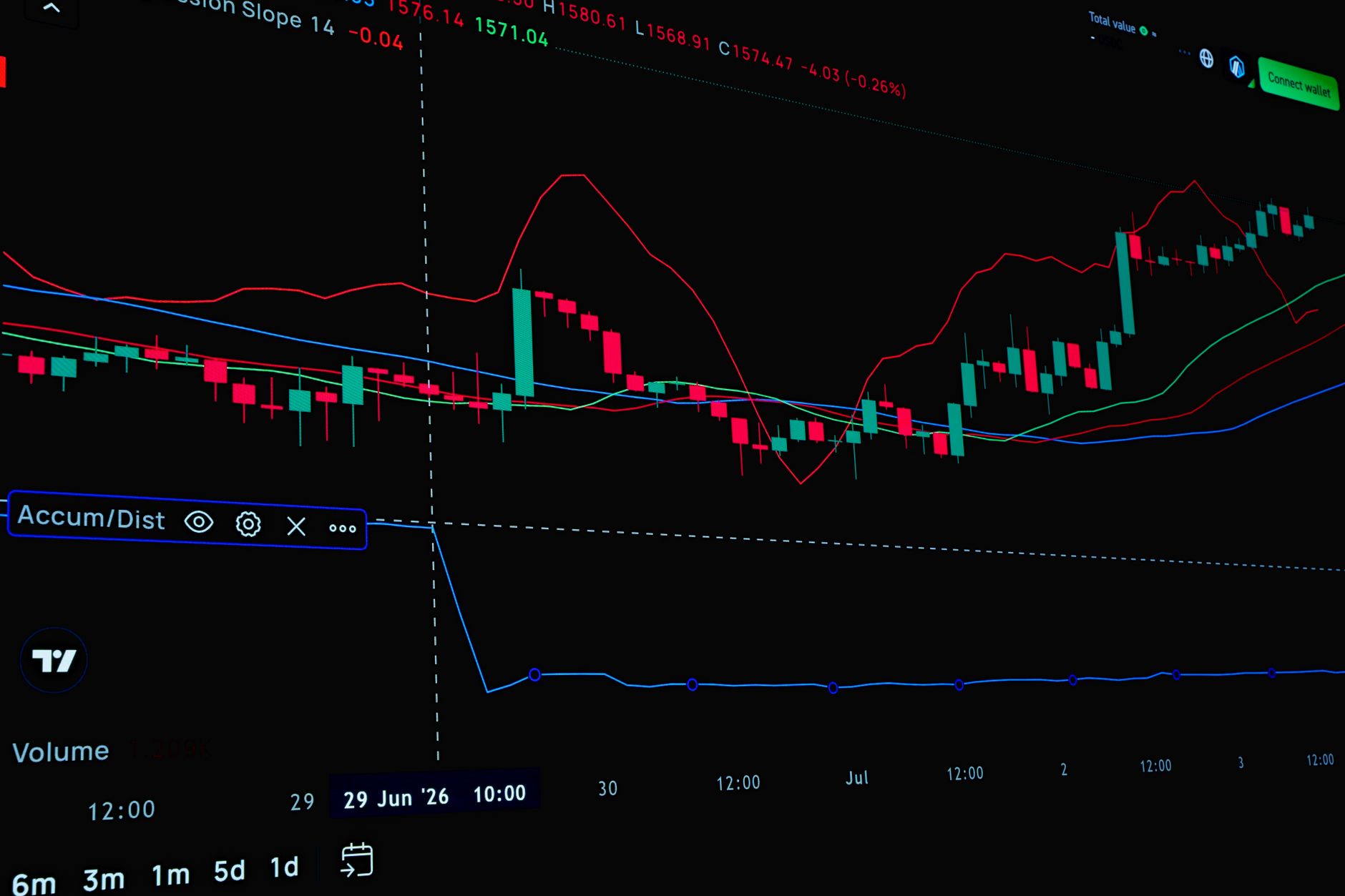
The Indian stock market is witnessing heightened activity across several key counters today, with stocks from diverse sectors commanding investor attention. Understanding the factors driving these movements can help investors make informed decisions in an increasingly dynamic market environment.
Renewable Energy and Green Transition Stocks
The renewable energy sector continues to be a focal point for investors as India accelerates its green energy commitments. Companies in the solar manufacturing and renewable power generation space are experiencing volatility as policy announcements, order wins, and capacity expansion plans shape market sentiment. The sector has been particularly sensitive to government incentives under the Production Linked Incentive scheme and changes in import duty structures that affect input costs for solar equipment manufacturers.
Investors tracking renewable energy stocks should monitor factors such as order book announcements, capacity utilization rates, and changes in subsidy frameworks. The sector's long-term growth trajectory remains strong given India's ambitious renewable energy targets, though short-term price movements can be influenced by quarterly results and working capital management.
Financial Sector Developments
Banking and financial services stocks remain critical barometers of economic health. Public sector banks have been showing improved asset quality metrics and reduced non-performing asset ratios in recent quarters, leading to renewed investor interest. Key factors influencing bank stocks currently include:
- Net interest margin trends as interest rate cycles evolve
- Credit growth numbers across retail and corporate segments
- Provisions for bad loans and recovery rates
- Capital adequacy ratios and dividend payout announcements
- Digital transformation initiatives and cost-to-income ratios
Small finance banks, which cater to underserved segments, face a different set of dynamics including higher credit costs but also higher yield opportunities. These institutions are particularly sensitive to microeconomic conditions in tier-2 and tier-3 cities where they have significant exposure.
Real Estate and Infrastructure Plays
The real estate sector has witnessed a robust recovery post-pandemic, with premium housing segments seeing particularly strong demand in major metropolitan areas. Real estate developer stocks are influenced by factors including pre-sales numbers, project launch pipelines, debt reduction initiatives, and land bank quality.
Mumbai-centric developers have benefited from sustained demand in the luxury and premium segments, though affordability concerns and interest rate movements can impact buyer sentiment. Investors should evaluate developers based on execution track record, transparency in accounting, and the shift toward asset-light business models through development management contracts.
Power Sector and Energy Transition
Power generation companies, particularly those with diverse fuel portfolios, are navigating a complex landscape. Traditional thermal power generators face pressures from environmental compliance costs while renewable energy capacity additions offer growth avenues. Key considerations include:
- Plant load factors and capacity utilization
- Power purchase agreement renewals and tariff revisions
- Coal availability and pricing dynamics
- Progress on renewable energy and green hydrogen projects
- Transmission infrastructure investments
State-owned power majors often trade at valuations reflecting their stable cash flows but limited growth profiles, though diversification into new energy areas can provide rerating catalysts.
Investment Holding Companies and NBFCs
Investment and infrastructure financing companies occupy a unique space, often trading at discounts to their net asset value. These entities may hold stakes in listed and unlisted companies across sectors, making their valuations complex. Recent market movements in such stocks could be driven by stake sales, merger and acquisition activity, or revaluations of underlying portfolio companies.
Non-banking financial companies continue to play a crucial role in credit provision, particularly in segments underserved by traditional banks. Their stock performance typically correlates with asset quality trends, funding cost management, and regulatory developments.
What Investors Should Watch
Before taking positions in any of these stocks, investors should review the latest quarterly results, management commentary on future outlook, and any recent corporate announcements. Market-wide factors such as foreign institutional investor flows, global commodity prices, and macroeconomic data releases also play significant roles in short-term price movements.
Diversification across sectors and investment horizons aligned with individual risk tolerance remain fundamental principles of sound investing.
This article is for general information purposes only and should not be considered as investment advice. Investors should conduct their own research or consult with a qualified financial advisor before making investment decisions. Past performance is not indicative of future results, and stock prices can be volatile in the short term.