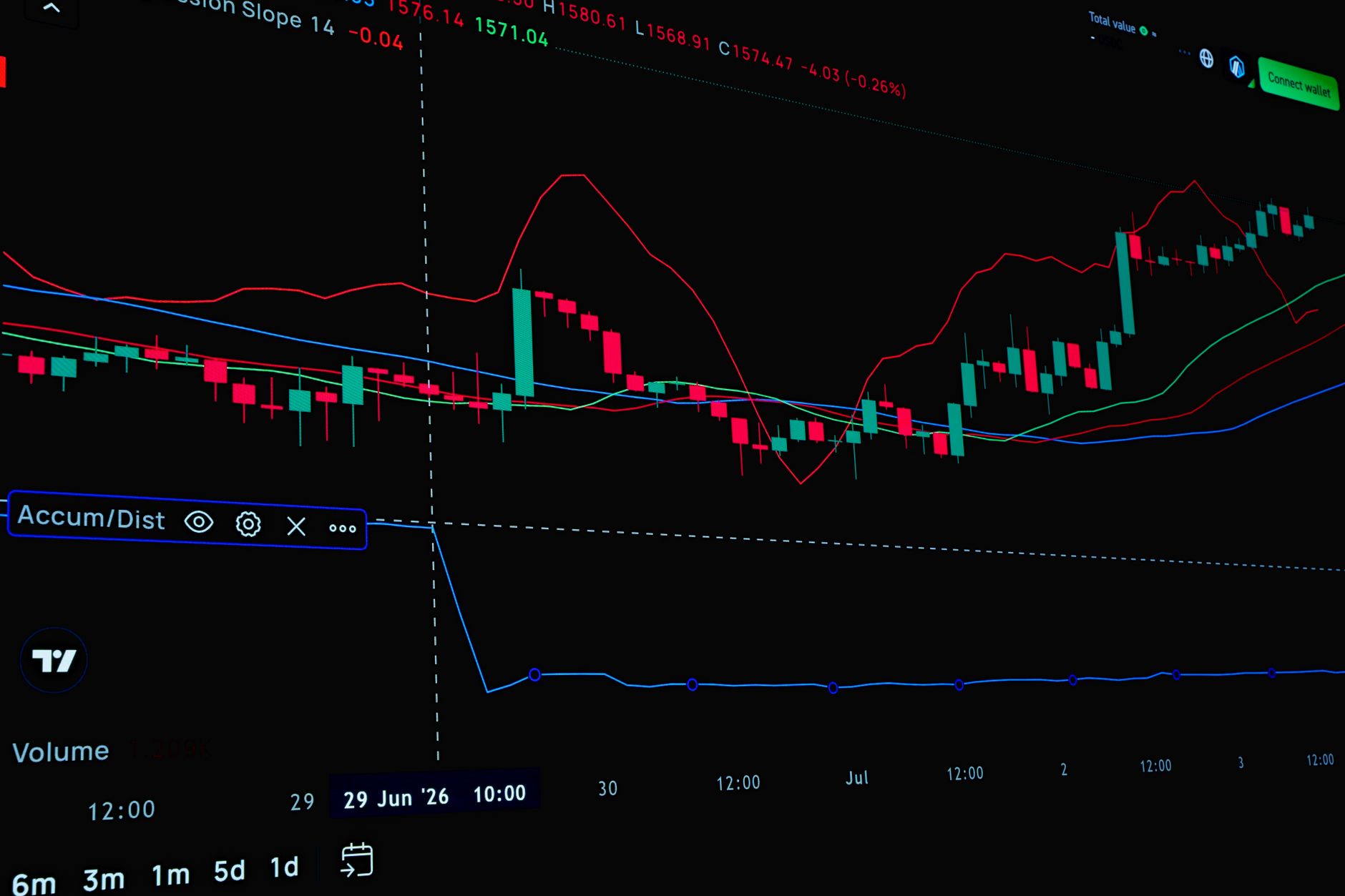
Indian equity markets experienced significant turbulence today as benchmark indices tumbled sharply during trading hours. The BSE Sensex plunged approximately 900 points while the Nifty50 index closed below the psychologically important 23,800 mark, leaving investors concerned about near-term market direction.
Such steep declines in major indices often stem from a combination of domestic and international factors that collectively shake investor confidence. Understanding these drivers can help market participants make more informed decisions during volatile periods.
Global Economic Headwinds
International market movements continue to exert considerable influence on Indian equities. Weakness in major global markets, particularly in the United States and Europe, often triggers risk-off sentiment among foreign institutional investors. When overseas markets decline due to concerns about economic growth, interest rate policies, or geopolitical tensions, FIIs tend to reduce exposure to emerging markets including India.
The interconnected nature of modern financial markets means that negative sentiment in one major economy quickly spreads across borders. Currency fluctuations, particularly a strengthening dollar, can also prompt foreign investors to reallocate capital away from emerging market equities.
Inflation and Interest Rate Concerns
Persistent inflationary pressures remain a key concern for market participants. Rising consumer prices affect corporate profit margins and reduce disposable income, potentially dampening consumption growth. When inflation remains elevated, central banks typically maintain higher interest rates for extended periods or signal further rate hikes.
Higher interest rates increase borrowing costs for businesses, affecting their expansion plans and profitability. For equity markets, rising rates also make fixed-income instruments more attractive relative to stocks, prompting portfolio rebalancing away from equities. Any indication that interest rates might remain elevated longer than previously anticipated can trigger significant market corrections.
Foreign Institutional Selling
Foreign institutional investors play a crucial role in Indian equity markets, and their buying or selling activity significantly impacts index movements. Sustained FII outflows can create downward pressure on stock prices, particularly in large-cap stocks that form the backbone of benchmark indices.
FIIs may reduce their India allocation for various reasons including better opportunities in other markets, currency concerns, or rebalancing of global portfolios. When selling is concentrated over short periods, it can accelerate market declines as domestic institutional investors and retail participants also turn cautious.
Sectoral Weakness and Earnings Concerns
Specific sectors experiencing operational challenges or disappointing earnings can drag down broader indices. Banking and financial services stocks, which carry significant weightage in benchmark indices, are particularly influential in determining overall market direction.
Similarly, weakness in information technology, oil and gas, or other heavyweight sectors can contribute to index declines. Corporate earnings that fall short of expectations or management commentary indicating challenging business conditions ahead can trigger sector-wide sell-offs that ripple through the broader market.
Profit Booking After Recent Rallies
Indian markets have witnessed significant gains over longer periods, leading many stocks to elevated valuations. After sustained rallies, markets become susceptible to profit booking, especially when near-term catalysts for further upside appear limited.
Investors who have accumulated substantial gains may choose to lock in profits during uncertain times, creating selling pressure. This profit-taking can be amplified when technical support levels are breached, triggering stop-loss orders and algorithmic selling.
Technical Factors and Market Sentiment
When key psychological levels like 23,800 on Nifty are breached, it can trigger additional selling as technical traders adjust positions. Market sentiment, driven by a combination of news flow, expert commentary, and price action itself, becomes self-reinforcing during sharp declines.
Looking Ahead
Market volatility is an inherent characteristic of equity investing. While sharp single-day declines can be unnerving, long-term investors typically focus on fundamental factors and business quality rather than short-term price movements.
Diversification across asset classes and sectors, regular portfolio review, and maintaining adequate emergency funds can help investors navigate turbulent market phases. Those with longer investment horizons may view corrections as potential opportunities to accumulate quality stocks at relatively attractive valuations.
This article is for general informational purposes only and should not be construed as investment advice. Market conditions can change rapidly, and past performance does not guarantee future results. Readers should conduct their own research and consult with qualified financial advisors before making investment decisions.