In a dramatic turn of events that underscores the power of sustained civil activism, student protesters across India have successfully pressured a senior education minister to step down from office. The movement, which students themselves termed "Cockroach protests" to symbolise their persistence and resilience, represents one of the most significant youth-led political victories in recent years.
The Genesis of the Movement
Student activism in India has a long and storied history, from the independence movement to contemporary struggles for educational reform. The latest wave of protests emerged from growing frustration with what students describe as systemic failures in the education system, ranging from exam irregularities and paper leaks to inadequate infrastructure and lack of accountability in administrative processes.
The choice of the "Cockroach" moniker is particularly telling. Students adopted this label to convey their determination to persist despite attempts to dismiss or suppress their demands. Just as cockroaches are known for their resilience and ability to survive in challenging conditions, the protesters signalled their intention to remain steadfast until meaningful change was achieved.
Key Demands and Grievances
The student movement coalesced around several critical issues that have plagued India's education sector for years. Examination paper leaks have become an increasingly common problem, undermining the credibility of competitive exams that determine the future of millions of young Indians. These leaks not only disadvantage honest students but also erode trust in the entire education system.
Additionally, protesters highlighted concerns about:
- Delays in examination result declarations affecting students' academic and career timelines
- Lack of transparency in administrative decisions
- Inadequate grievance redressal mechanisms
- Poor infrastructure in educational institutions
- Corruption in appointment processes and contract allocations
The Protest Strategy
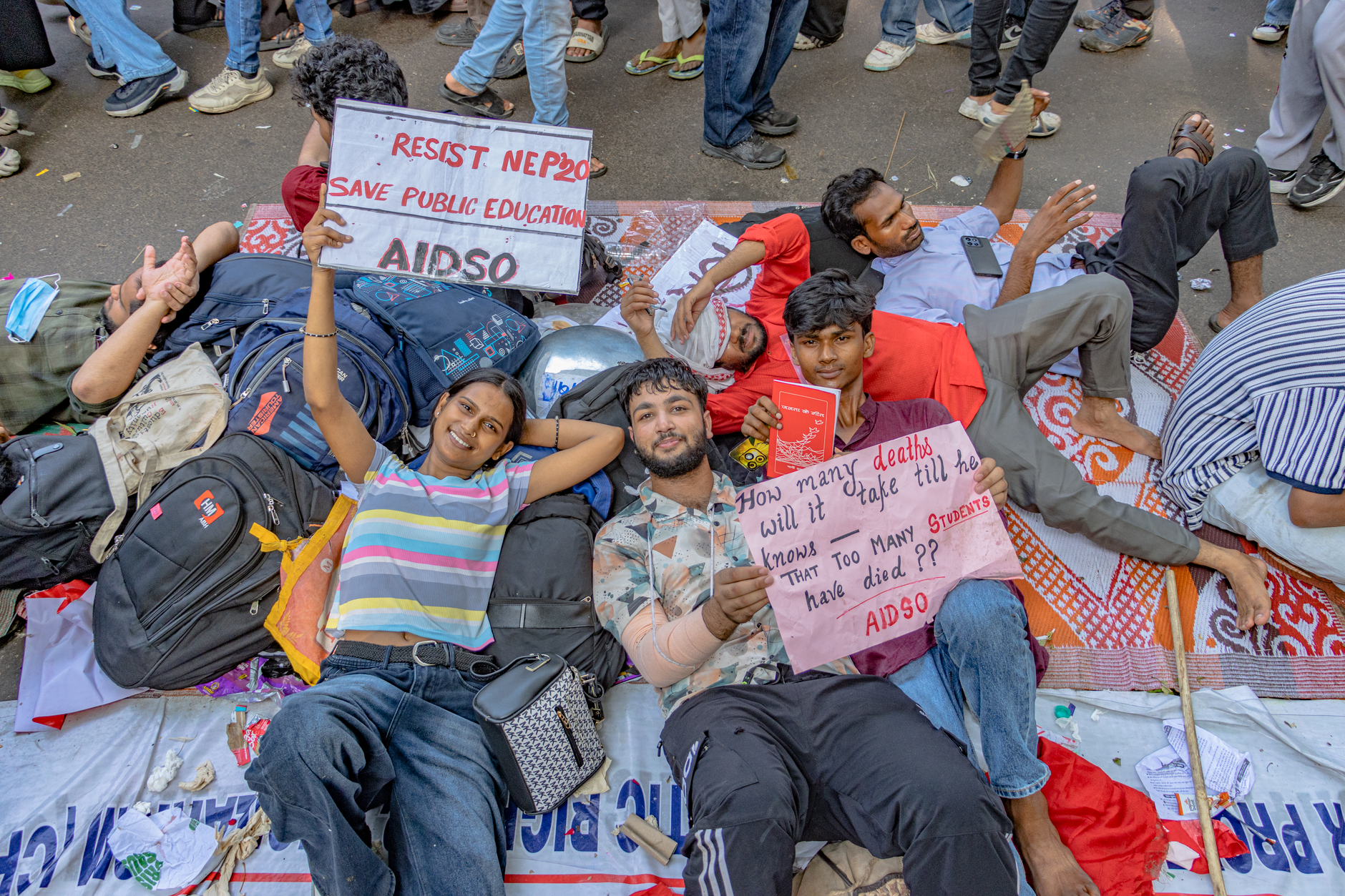
What distinguished this movement was its sustained nature and strategic approach. Rather than staging one-off demonstrations, students maintained continuous pressure through various forms of activism. Sit-ins, peaceful marches, social media campaigns, and hunger strikes were employed to keep the issue in the public eye and prevent it from fading from the news cycle.
The decentralised nature of the protests also made them difficult to suppress entirely. Students across different states and institutions coordinated their efforts while maintaining local autonomy, creating a broad-based movement that transcended regional and institutional boundaries.
Government Response and Political Implications
The resignation of the education minister represents a significant acknowledgment by the government that the students' grievances were legitimate and could no longer be ignored. This outcome sets an important precedent for youth activism in India and demonstrates that sustained, peaceful protest can yield tangible results even in challenging political environments.
Political analysts suggest that the government's decision to accept the resignation may also reflect concerns about the electoral implications of alienating young voters, who represent a substantial and increasingly vocal demographic in Indian politics. With several state and national elections on the horizon, addressing student concerns became a political necessity.
Broader Context of Education Reform
This episode highlights the urgent need for comprehensive education reform in India. As the country seeks to leverage its demographic dividend and compete globally in knowledge-based industries, the quality and integrity of its education system become paramount. Issues like exam security, administrative efficiency, and student welfare can no longer be treated as peripheral concerns.
The success of the Cockroach protests may embolden other student movements across the country to raise their voices on various issues affecting education quality and access. It also places pressure on the government to move beyond cosmetic changes and implement substantive reforms that address the root causes of student dissatisfaction.
Looking Forward
While the minister's resignation represents a victory for the student movement, it is only the first step in what promises to be a long journey toward meaningful education reform. Students and education activists are now watching closely to see whether this change in leadership will translate into concrete policy improvements and systemic changes.
The episode also raises important questions about accountability in public office and the role of civil society in holding government officials responsible for their performance. As India continues to evolve as a democracy, such movements serve as vital mechanisms for ensuring that public institutions remain responsive to citizen concerns.
The success of the Cockroach protests demonstrates that persistence, strategic thinking, and peaceful activism can produce real change, offering hope and inspiration to young people across India who seek to improve their educational opportunities and secure a better future.