Political resignations in India frequently make headlines, particularly when they involve key ministries like education. When a union minister steps down following public protests or party pressure, it reflects the complex interplay between governance, accountability, and democratic expression that characterizes Indian politics.
The Role of India's Education Minister
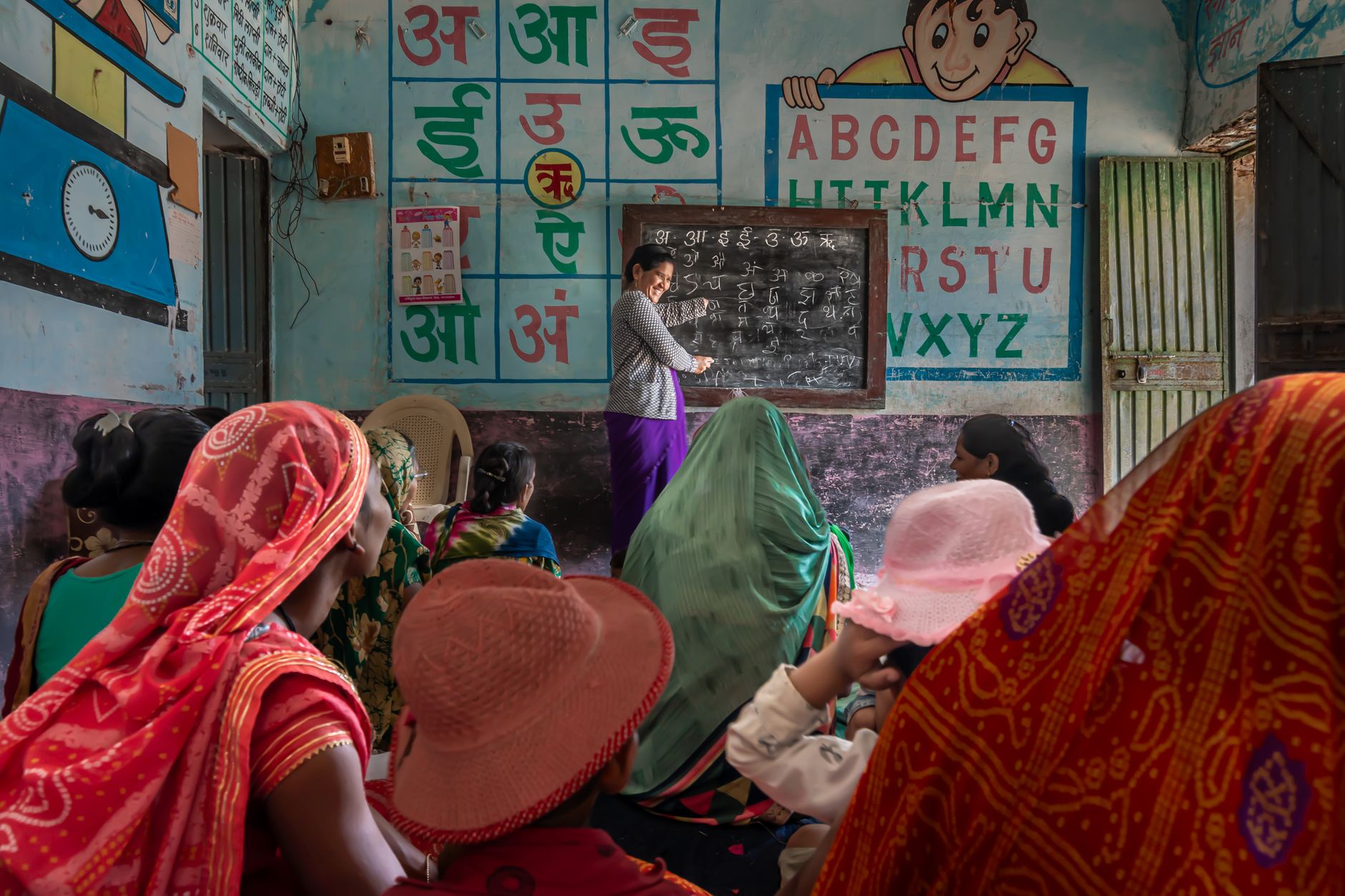
The Union Minister of Education holds one of the most crucial portfolios in the Indian government. This position oversees the Ministry of Education, which manages the country's educational policies, curriculum development, higher education institutions, and the implementation of flagship programs like the National Education Policy. The minister is responsible for approximately 260 million students across schools and universities, making educational leadership decisions that affect nearly one-fifth of India's population.
The education minister works closely with state governments, as education is a concurrent subject under India's Constitution, meaning both central and state governments share responsibility. Any controversy or perceived failure in this sector can quickly become a national issue, attracting attention from opposition parties, civil society organizations, and parent groups.
How Political Protests Drive Change
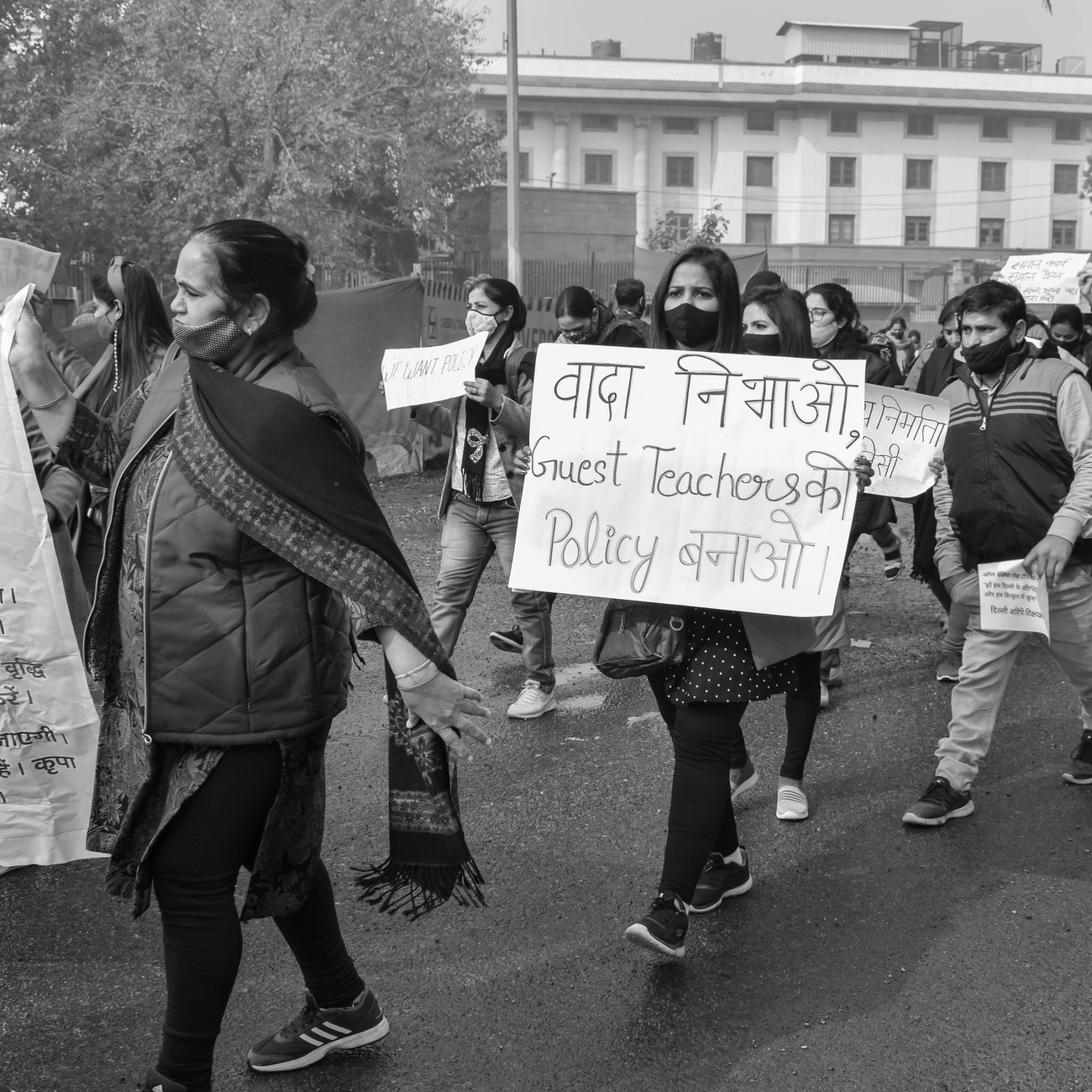
Public protests have long been a powerful tool for expressing discontent in Indian democracy. When organized groups demonstrate against government policies or ministerial performance, they can create significant political pressure. Protests related to education typically center around issues such as:
- Curriculum changes perceived as controversial
- Examination irregularities or paper leaks
- Admission policies and reservation quotas
- Inadequate infrastructure in educational institutions
- Teacher appointments and employment conditions
- Fee structures and accessibility concerns
When protests gain momentum and receive media coverage, they can force the ruling party to reconsider its stance or make changes in leadership to restore public confidence.
The Resignation Process
Ministerial resignations in India's parliamentary system follow constitutional conventions. While ministers serve at the pleasure of the Prime Minister, they may choose to resign for various reasons including personal reasons, political pressure, or taking moral responsibility for failures in their departments.
The resignation process typically involves the minister submitting their resignation to the Prime Minister, who then forwards it to the President of India for acceptance. Once accepted, the minister ceases to hold office, and the Prime Minister either assigns the portfolio temporarily to another minister or appoints a new minister through cabinet reshuffle.
Political Party Dynamics
Opposition parties play a crucial role in holding the government accountable. When they organize protests or raise issues in Parliament, they can create an environment where continuing in office becomes politically untenable for a minister. The effectiveness of opposition pressure depends on several factors:
- The severity of the alleged failure or controversy
- Media coverage and public opinion
- The ruling party's assessment of political damage
- Upcoming elections and their timing
- The minister's importance to the party leadership
Impact on Education Policy
When an education minister resigns, it can create both challenges and opportunities for policy implementation. Ongoing reforms may face delays as the new minister familiarizes themselves with the portfolio. However, a new appointment can also bring fresh perspectives and renewed energy to address systemic issues.
The continuity of educational governance depends largely on the bureaucracy, with senior civil servants maintaining day-to-day operations. Major policy decisions, however, require ministerial approval and political will, which can be affected during leadership transitions.
Accountability in Democratic Governance
Ministerial resignations following protests represent a form of political accountability in democratic systems. They demonstrate that elected officials and their appointees remain answerable to public sentiment and opposition scrutiny. This accountability mechanism, while sometimes leading to political instability, ensures that those in power cannot ignore sustained public dissatisfaction.
The practice of taking moral responsibility for departmental failures, even when not personally culpable, reflects conventions inherited from parliamentary traditions. Whether such resignations lead to substantive policy changes or merely serve as political theater depends on the follow-up actions taken by the government.
Looking Forward
The education sector requires stable, long-term planning to address India's vast challenges in access, quality, and equity. Frequent leadership changes can disrupt this continuity, but they also provide opportunities for course correction when policies prove unpopular or ineffective. The key lies in ensuring that political transitions do not derail essential reforms aimed at improving educational outcomes for millions of Indian students.