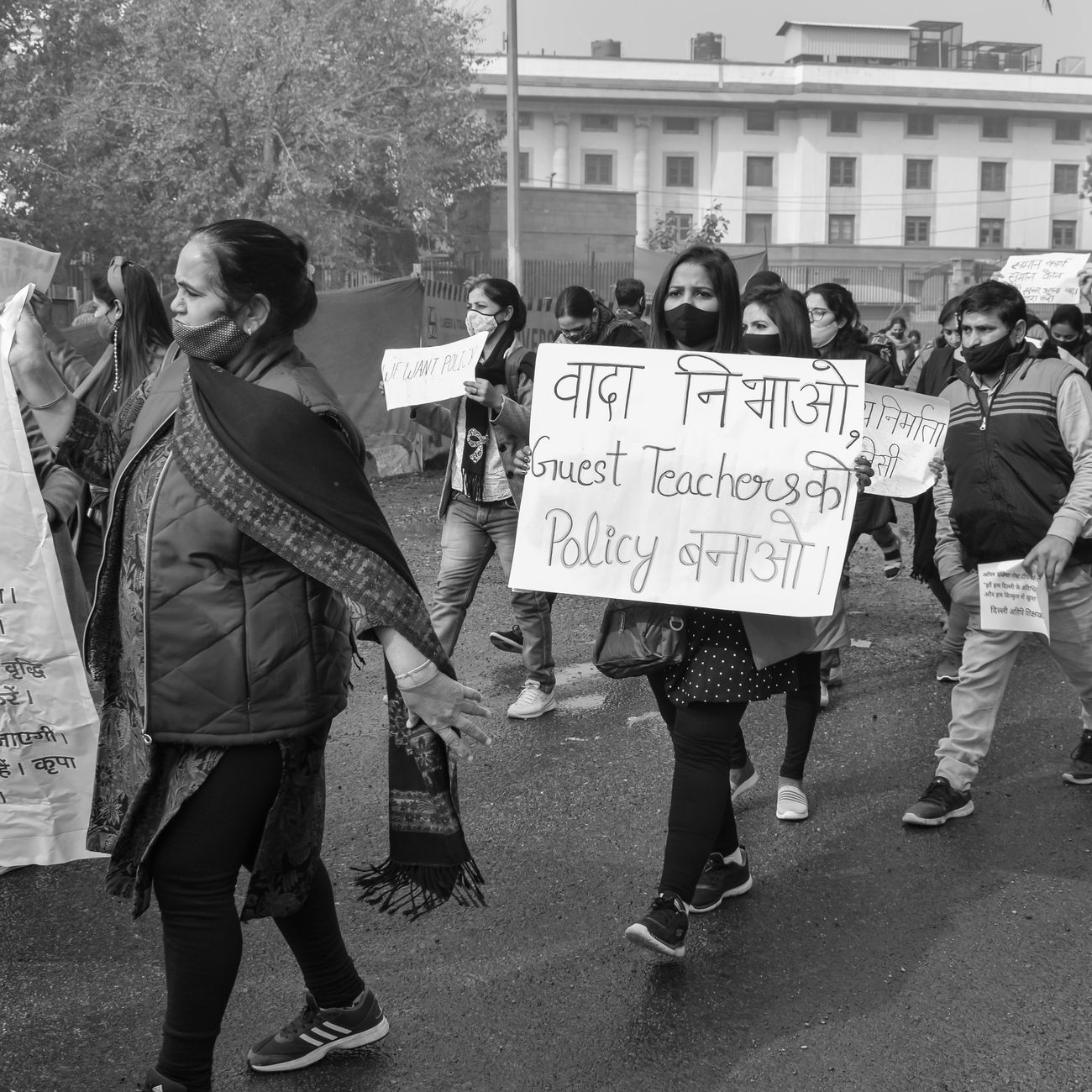
Young people across India have taken to the streets in recent months, voicing anger and frustration over issues plaguing the country's education and employment systems. These protests reflect mounting pressure on a generation navigating an increasingly competitive landscape where a single examination can make or break their future prospects.
The Competitive Examination Crisis
India's education system relies heavily on high-stakes competitive examinations for entry into prestigious universities, government jobs, and professional courses. Exams like the National Eligibility cum Entrance Test (NEET) for medical colleges, the Joint Entrance Examination (JEE) for engineering institutes, and various public service commission tests determine the careers of millions of aspirants annually.
Recent allegations of paper leaks, irregularities in exam conduct, and questions about result accuracy have sparked widespread outrage. When students invest years preparing for these make-or-break tests, any hint of unfairness triggers immediate backlash. The perception that merit is being compromised, or that well-connected candidates gain unfair advantages, strikes at the heart of social mobility hopes for middle-class and economically disadvantaged students.
Job Scarcity and Rising Unemployment
Beyond examination issues, youth protests also stem from broader employment challenges. Despite India's economic growth, job creation has not kept pace with the millions of young people entering the workforce annually. Youth unemployment rates have climbed, and quality formal sector jobs remain scarce.
Government positions, which offer job security, pensions, and social prestige, attract massive competition. It is not uncommon for hundreds of thousands of candidates to compete for a few thousand openings. The desperation for secure employment has intensified scrutiny of recruitment processes and heightened sensitivity to any perceived irregularities.
The Education-to-Employment Pipeline Problem
Protesters also highlight structural issues in how education prepares students for employment. Many graduates find their degrees do not translate into job market readiness, creating a skills gap that leaves educated youth unemployed or underemployed.
Key concerns include:
- Outdated curricula that do not reflect current industry needs
- Insufficient emphasis on practical skills and critical thinking
- Limited access to quality higher education institutions
- Regional disparities in educational infrastructure and opportunities
- Rising costs of private education and coaching classes
The reliance on coaching institutes for competitive exam success has created a parallel education economy that favours those who can afford expensive preparation courses, further exacerbating inequality.
Demands for Systemic Reform
Student protesters are calling for comprehensive reforms across multiple dimensions. They want transparent, tamper-proof examination systems with stringent oversight mechanisms. Many advocate for reducing the winner-takes-all nature of single entrance exams, suggesting multiple pathways to educational and career success.
There are also demands for expanding quality educational infrastructure, creating more seats in prestigious institutions, and reforming recruitment processes to be more frequent and transparent. Some protest movements specifically call for addressing regional quotas and reservation policies, though these remain contentious topics with varying perspectives.
Political and Social Dimensions
These protests carry significant political weight, as young voters represent a crucial demographic. How governments respond to student concerns can influence electoral outcomes. Some protests have been met with police action, raising questions about the right to peaceful demonstration and freedom of expression.
The movements also reflect generational anxieties about social mobility. For many families, education represents the primary vehicle for moving up the economic ladder. When that system appears broken or unfair, it threatens fundamental aspirations that have sustained household sacrifices and investments in children's education for years.
The Path Forward
Addressing youth frustration requires multifaceted solutions. Technology can improve examination security through better monitoring and digital tracking systems. Expanding educational capacity and diversifying pathways to success could reduce unhealthy competition for limited seats.
More fundamentally, aligning education with employment needs, promoting entrepreneurship, and creating jobs across sectors could ease pressure on competitive examinations as the sole gateway to prosperity. As India's demographic dividend continues, ensuring young people can productively contribute to the economy becomes not just an educational challenge but a national imperative.
The protests signal that young Indians are no longer willing to accept systemic flaws quietly, demanding accountability and reform from institutions that shape their futures.