The nutraceutical industry, which bridges the gap between nutrition and pharmaceuticals, has become one of the fastest-growing sectors globally. A recent partnership between the Organic & Natural Health Association and SHEFEXIL marks a significant development in international trade relations, particularly between two of the world's largest consumer markets for health supplements and natural products.
Understanding Nutraceuticals
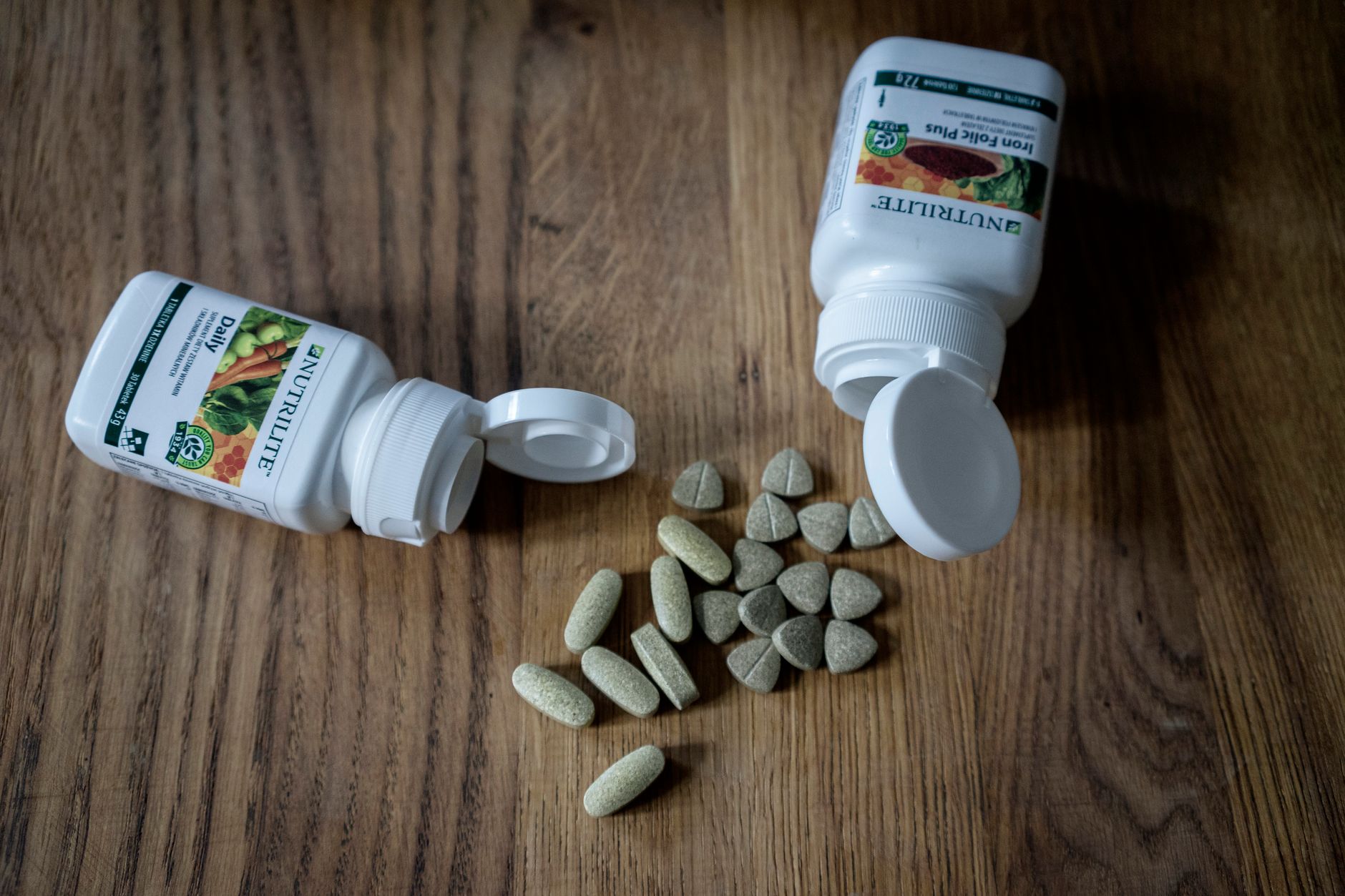
Nutraceuticals are products derived from food sources that provide extra health benefits beyond basic nutritional value. These include dietary supplements, herbal products, functional foods, and isolated nutrients. The global nutraceutical market has experienced robust growth driven by increasing health awareness, aging populations, and rising chronic disease prevalence. Consumers are increasingly seeking preventive healthcare solutions, making this sector particularly attractive for businesses and investors.
India's Role in Global Nutraceutical Supply
India has emerged as a major player in the nutraceutical supply chain for several compelling reasons. The country boasts a rich tradition of Ayurvedic medicine and herbal remedies spanning thousands of years. This traditional knowledge base, combined with modern manufacturing capabilities, positions India uniquely in the global market.
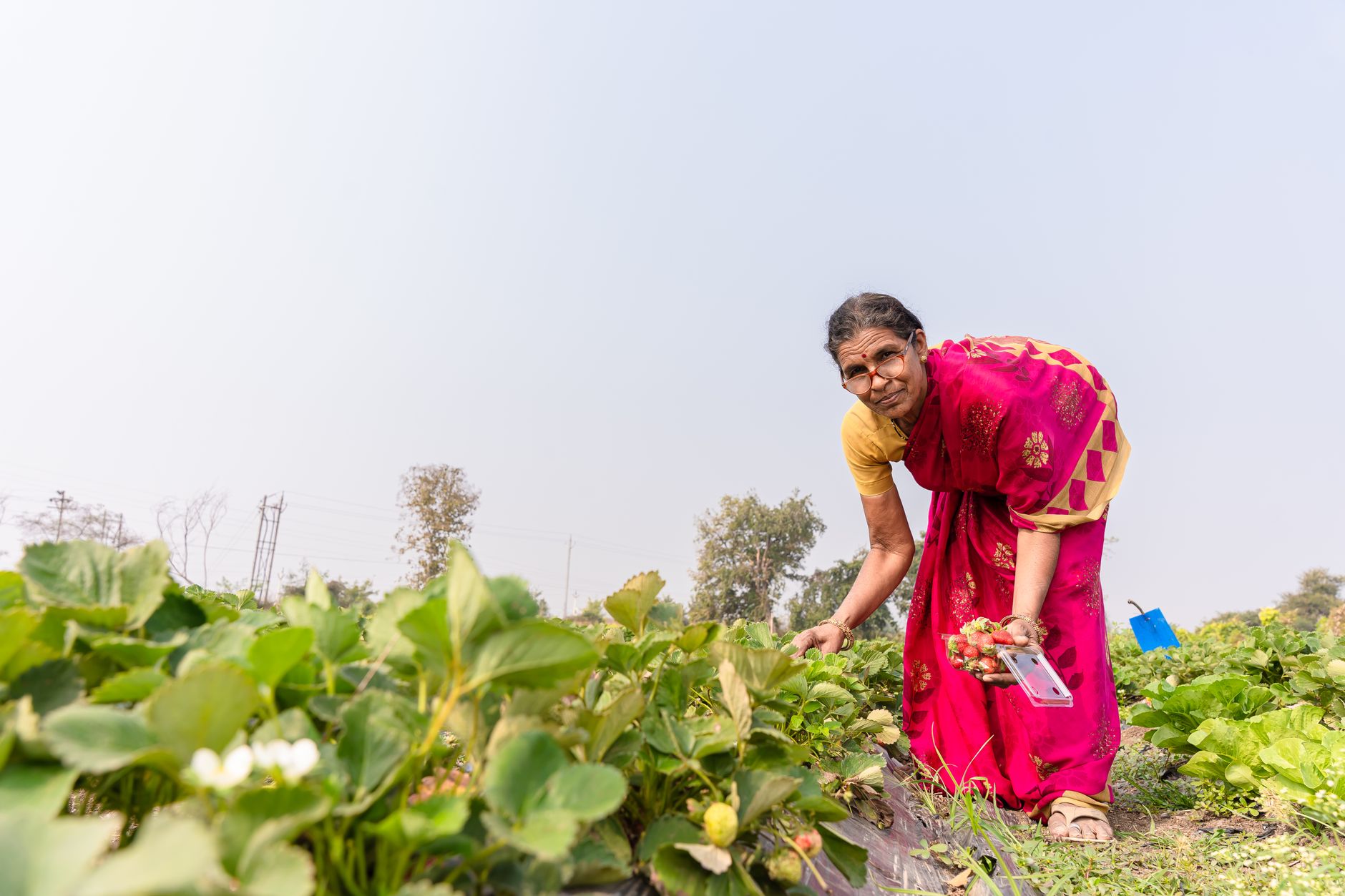
India is home to diverse botanical resources and medicinal plants, many of which are indigenous to the region. The country has developed sophisticated extraction and processing technologies while maintaining cost competitiveness. Indian manufacturers often serve as key suppliers of raw materials, active ingredients, and finished products to international markets, including the United States.
The Significance of This Partnership
The collaboration between these two organizations addresses several critical challenges in the nutraceutical supply chain. Supply chain disruptions, regulatory complexities, and quality assurance concerns have long affected international trade in this sector. By bringing together industry stakeholders from both nations, this partnership aims to create more streamlined processes.
Such collaborations typically focus on several key areas. Quality standards harmonization ensures products meet both countries' regulatory requirements, reducing compliance burdens for manufacturers. Knowledge sharing about best practices in cultivation, extraction, and manufacturing benefits both sides. The partnership may also facilitate easier market access for certified suppliers and manufacturers.
Opportunities for Indian Businesses
For Indian nutraceutical companies, stronger ties with the US market present substantial opportunities. The United States represents one of the world's largest markets for dietary supplements and natural health products, with consumers spending billions annually on these items. American consumers increasingly seek natural, plant-based alternatives to conventional medicines.
Indian companies that can demonstrate compliance with US quality standards, including Good Manufacturing Practices (GMP) and other regulatory requirements, stand to gain significant market share. The partnership may help smaller and medium-sized enterprises navigate the complex US regulatory landscape more effectively.
Benefits for US Companies
American businesses also stand to benefit considerably. Access to high-quality, cost-effective raw materials and ingredients from India can improve profit margins while maintaining product quality. India's expertise in herbal formulations and traditional medicine can help US companies develop innovative products that appeal to health-conscious consumers.
The partnership may also address supply chain resilience concerns that became apparent during recent global disruptions. Diversifying sourcing relationships and strengthening ties with reliable suppliers helps companies manage risk more effectively.
Regulatory and Quality Considerations
One of the most critical aspects of international nutraceutical trade involves navigating complex regulatory frameworks. The US Food and Drug Administration (FDA) has specific requirements for dietary supplements, while India has its own regulatory bodies overseeing product safety and quality.
Successful partnerships must address issues such as testing and certification protocols, traceability throughout the supply chain, documentation requirements for customs and compliance, and ongoing monitoring and quality assurance. Industry associations play a vital role in helping members understand and meet these requirements.
Future Outlook
The nutraceutical sector is projected to continue its strong growth trajectory in both countries. Factors such as rising healthcare costs, increased focus on preventive health, growing middle-class populations with disposable income, and greater acceptance of alternative medicine all support this trend.
Partnerships that strengthen supply chain relationships and facilitate trade are likely to benefit stakeholders across the entire value chain, from farmers and processors to manufacturers and retailers. As consumer demand for natural health products continues rising, efficient and reliable international supply chains become increasingly valuable.
This article is for general informational purposes only and should not be considered business, investment, or health advice. Readers should conduct their own research and consult with appropriate professionals before making business or health-related decisions.