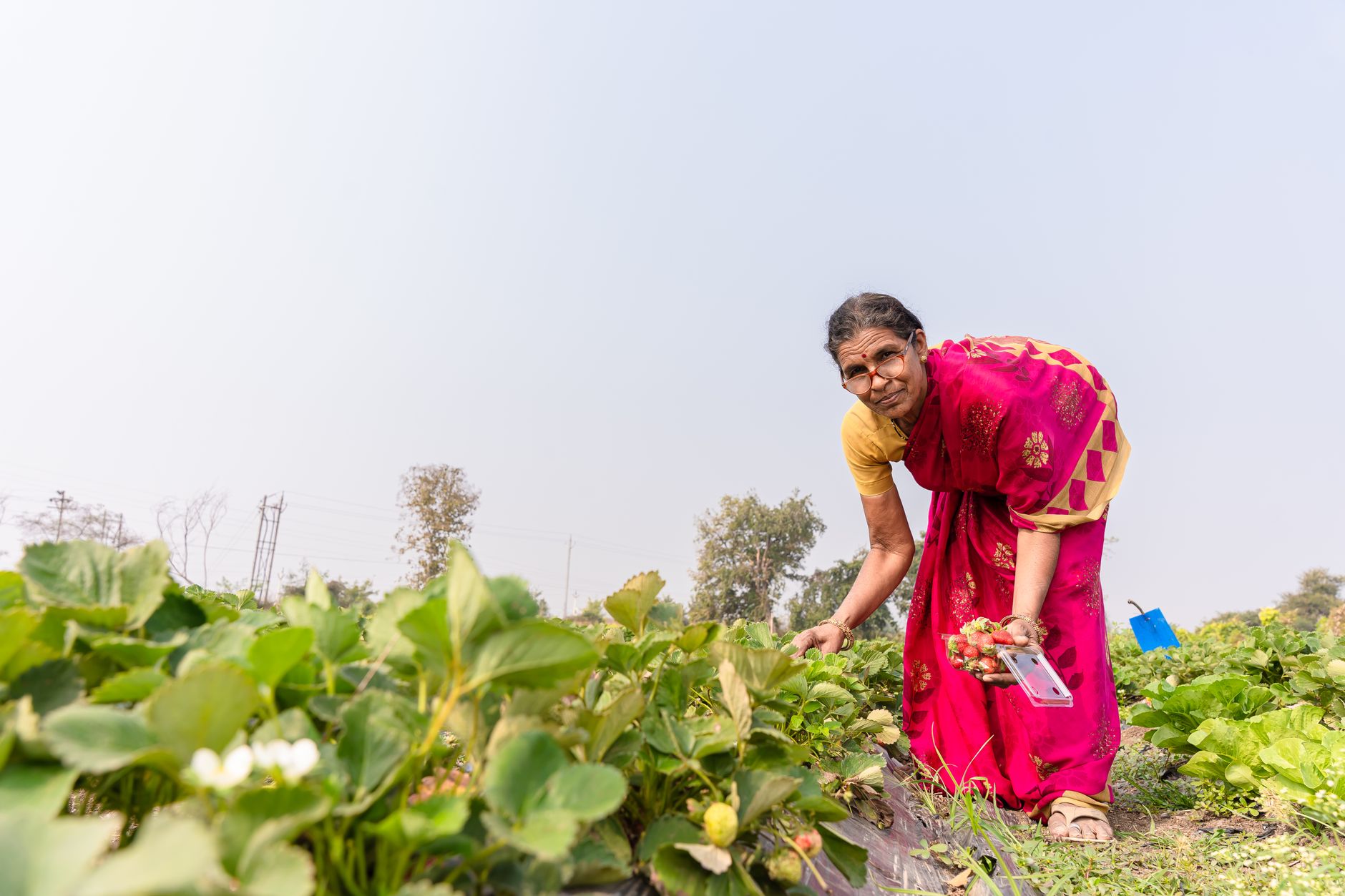
India has achieved a remarkable milestone in public health: women are now living longer than at any point in the country's history. Life expectancy for Indian women has climbed to approximately 72 years, compared to 70 years for men. Yet this demographic achievement comes with a troubling caveat that deserves attention—many of these additional years are spent managing chronic illnesses, battling lifestyle diseases, and navigating a healthcare system ill-equipped to support aging populations.
The Longevity Paradox
Increased life expectancy represents decades of progress in reducing maternal mortality, improving nutrition, and controlling infectious diseases. However, longevity alone does not guarantee quality of life. The critical metric that often gets overlooked is "healthspan"—the number of years lived in good health without serious disease or disability.
Indian women increasingly experience what researchers call the "compression of morbidity," where the onset of chronic disease occurs earlier but death is delayed, resulting in extended periods of illness. Many women spend 10-15 years or more managing conditions like diabetes, hypertension, arthritis, and osteoporosis.
The Chronic Disease Burden
The epidemiological transition in India has shifted disease patterns dramatically. While infectious diseases once claimed lives early, non-communicable diseases now dominate the health landscape for aging women.
- Cardiovascular disease affects nearly 30 percent of urban Indian women over 50
- Type 2 diabetes prevalence among women has nearly tripled in two decades
- Osteoporosis affects an estimated 50 million Indian women, leading to debilitating fractures
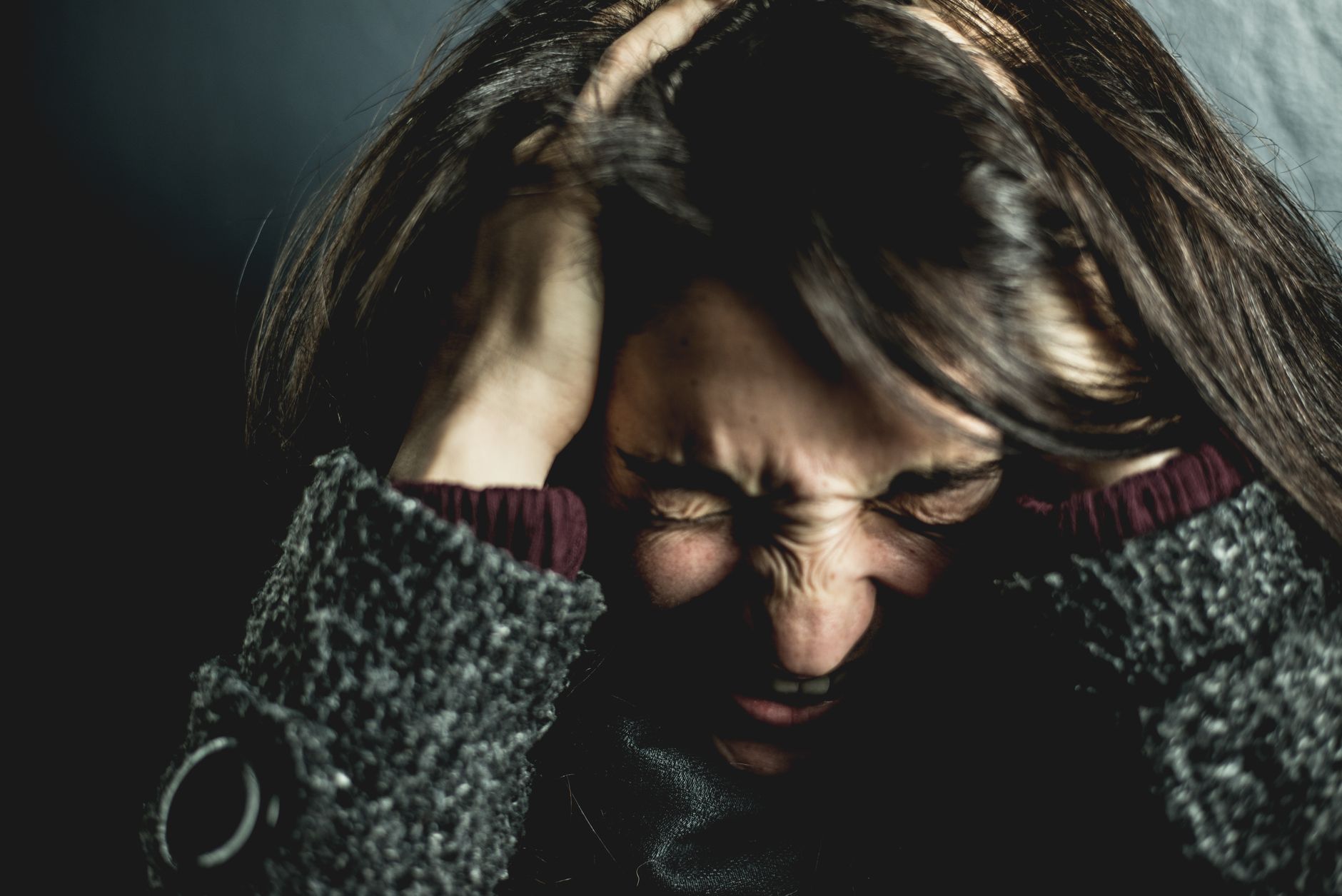
- Mental health conditions, particularly depression, remain severely underdiagnosed in older women
These conditions require long-term management, regular medical supervision, and often expensive medications—resources many Indian women struggle to access.
The Care Crisis
Traditional family structures that once provided support for aging women are eroding. Nuclear families, migration for work, and changing social norms mean fewer daughters-in-law and children are available as caregivers. Yet formal care infrastructure—nursing homes, assisted living facilities, home healthcare services—remains grossly inadequate outside major cities.
Older women, especially widows, face particular vulnerability. Many lack independent income, having spent their lives in unpaid domestic work without pension benefits. This financial precarity intersects with health needs, creating a cycle where women cannot afford the care they need for conditions that prevent them from working.
Healthcare System Gaps
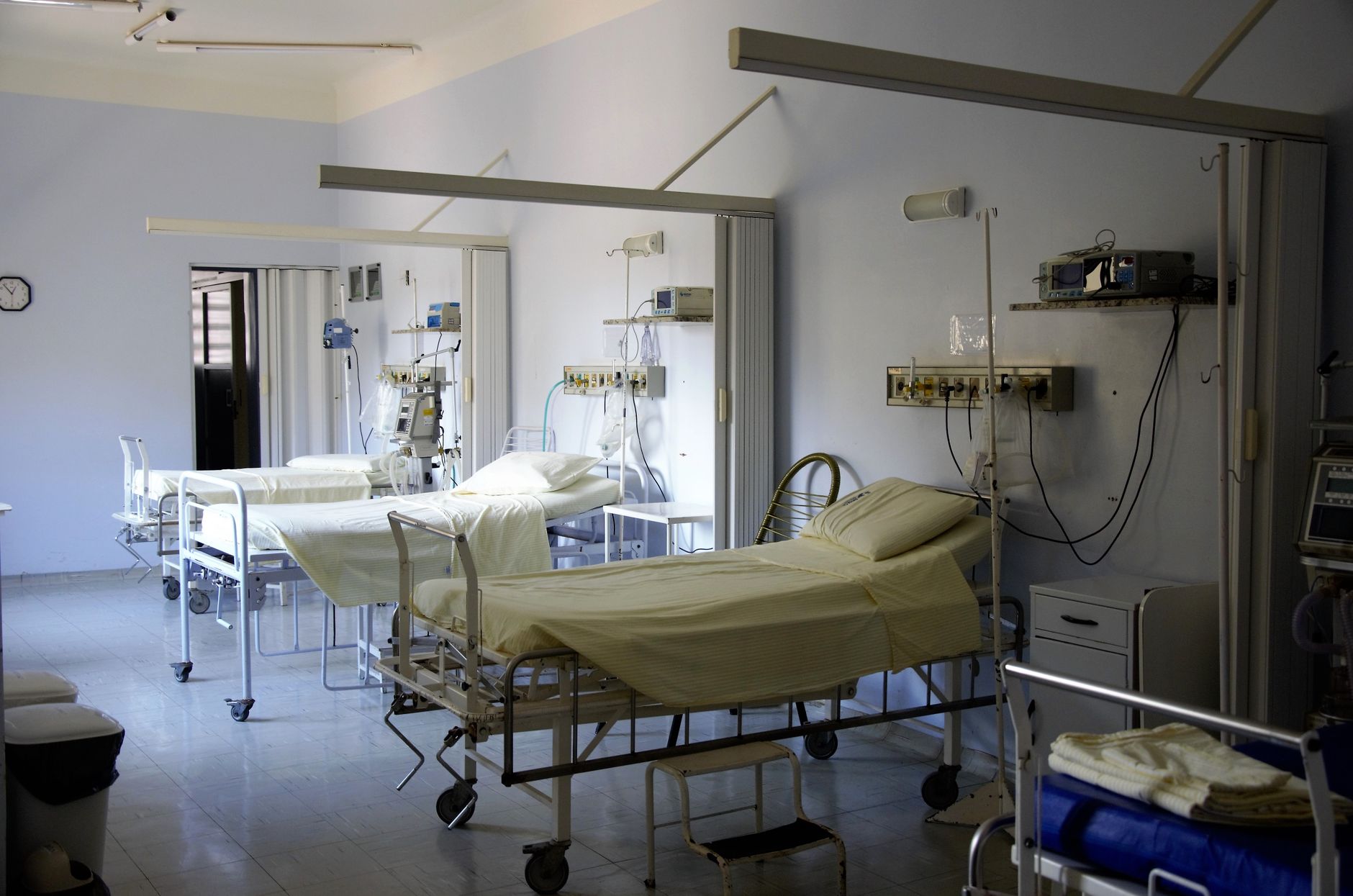
India's healthcare system was designed primarily for acute, episodic care rather than chronic disease management. This creates several challenges for aging women:
The public health system, while improving, often lacks specialists in geriatric medicine and age-related conditions. Wait times can be prohibitive, and follow-up care inconsistent.
Private healthcare, though more accessible, imposes financial burdens that push families into debt. A single hospitalization can wipe out lifetime savings.
Preventive care and early screening programs remain limited. Many women receive diabetes or hypertension diagnoses only after complications develop, missing the window for simpler interventions.
Gender-Specific Health Challenges
Women face unique health risks that intensify with age. Post-menopausal hormonal changes increase cardiovascular risk and bone loss. Yet awareness about hormone replacement therapy, bone density screening, and cardiac risk factors remains limited.
Gynecological cancers often go undetected due to stigma and lack of screening programs. Breast and cervical cancer, highly treatable when caught early, frequently reach advanced stages before diagnosis.
Additionally, women's symptoms are sometimes dismissed or attributed to "normal aging" by both family members and healthcare providers, delaying necessary treatment.
The Path Forward
Addressing this paradox requires multi-pronged interventions. Strengthening primary healthcare to focus on prevention and chronic disease management would help catch conditions early. Expanding insurance coverage for outpatient care and medications would reduce financial barriers.
Social safety nets specifically targeting elderly women—particularly widows living alone—need expansion. Community health programs that provide regular monitoring, medication support, and social connection could significantly improve quality of life.
Perhaps most importantly, the conversation must shift from celebrating longevity alone to measuring and improving the health and dignity of those additional years.
India's achievement in extending women's lives deserves recognition, but the work is far from complete. True success lies not just in adding years to life, but in adding life—active, healthy, dignified life—to those years.
This article is for general informational purposes only and does not constitute medical advice. Please consult qualified healthcare professionals for specific health concerns and treatment options.