The story of how India's first educational computer made its way to a school on a bullock cart is more than just an amusing historical anecdote. It represents a pivotal moment in the country's technological evolution and highlights the stark contrasts that have defined India's development journey—where cutting-edge innovation often meets traditional infrastructure.
The Dawn of Educational Computing in India
During the 1980s, India stood at the crossroads of a technological revolution. While developed nations were rapidly integrating computers into their education systems, India faced unique challenges. The country had limited technological infrastructure, few trained professionals, and a vast geographical landscape with highly variable levels of development. Yet, visionary educators and policymakers recognized that computer literacy would be essential for future generations.
The introduction of computers into Indian schools was not merely about acquiring machines. It represented a bold statement about the nation's aspirations. Early educational computers in India typically arrived as part of government initiatives or through institutional partnerships with international organizations. These machines were often bulky mainframe or mini-computer systems that required careful handling and transportation.
When Modern Technology Meets Rural Reality
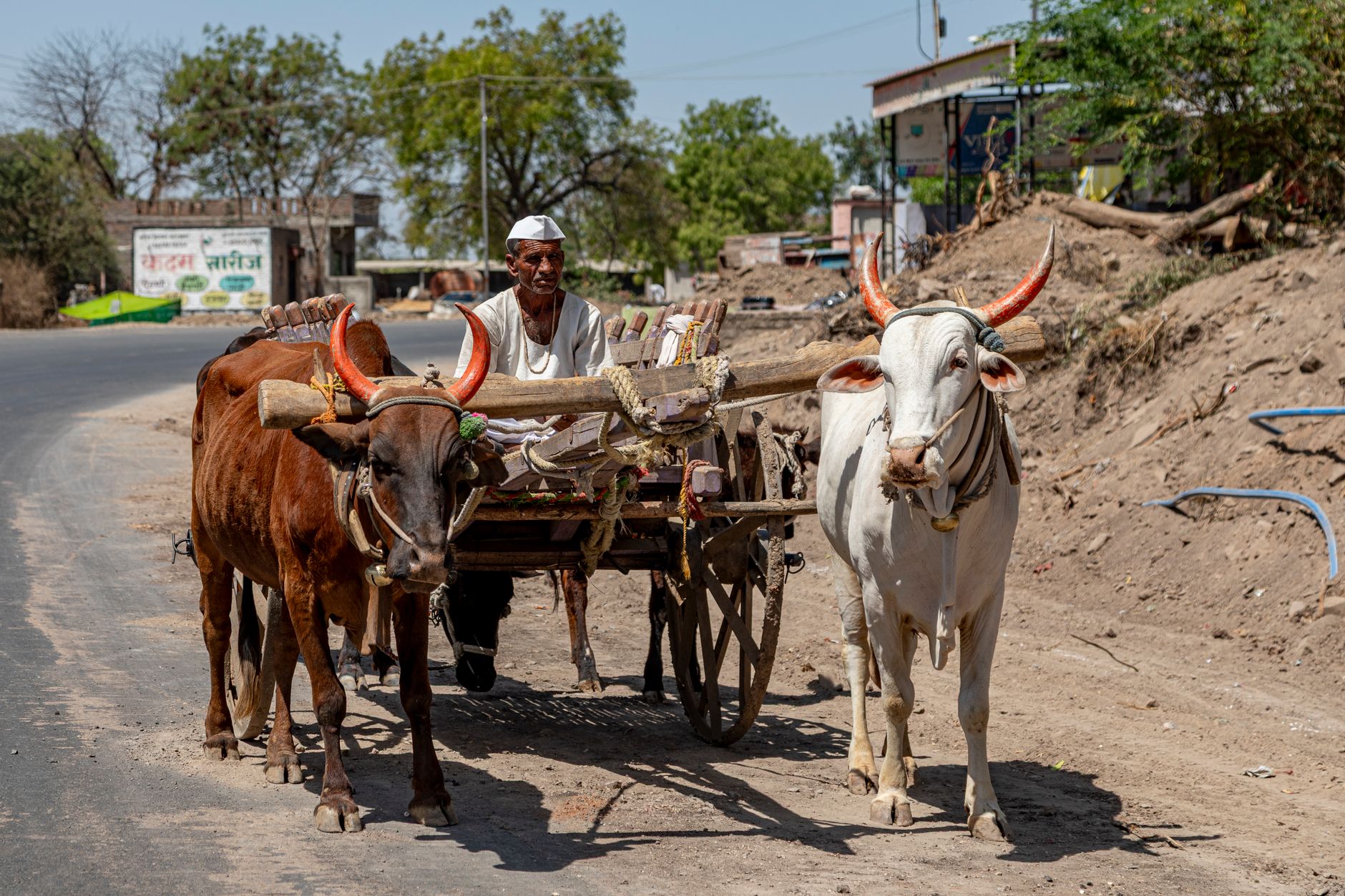
The bullock cart delivery perfectly encapsulates the ground realities of implementing technological advancement in a developing nation. In many parts of India during the 1980s, rural and semi-urban areas lacked proper roads suitable for motorized vehicles. Bullock carts remained the most reliable mode of transporting heavy or delicate cargo over rough terrain.
The image of a sophisticated computer system being transported on a traditional bullock cart reflects several important aspects of India's development story. First, it demonstrates the determination of communities to embrace education and technology despite infrastructural limitations. Second, it shows how traditional methods and modern aspirations can coexist during transitional periods. Third, it highlights the practical problem-solving approach that has characterized much of India's developmental journey.
Challenges of Early Computer Education
Introducing computers to Indian schools in that era involved numerous obstacles beyond transportation. Power supply was irregular in many areas, requiring backup generators or scheduling computer classes during specific hours. Trained teachers were scarce, necessitating extensive training programs. Maintenance and repairs posed additional challenges since spare parts and expertise were concentrated in major cities.
The cost factor was equally daunting. A single computer system represented a substantial investment for most schools, equivalent to years of operational budgets. Yet schools persevered, viewing these machines as gateways to future opportunities for their students.
The Broader Impact on Indian Education
The arrival of these early computers, however they traveled, marked the beginning of India's digital education journey. Students who encountered computers in the 1980s and 1990s often went on to form the backbone of India's IT revolution. The exposure, however limited, sparked curiosity and ambition among young learners.
These pioneering institutions demonstrated that technological education was not exclusively for elite urban schools. By bringing computers to smaller towns and rural areas, they helped democratize access to digital literacy. This inclusive approach would later become a hallmark of Indian education policy.
Infrastructure Development and Progress
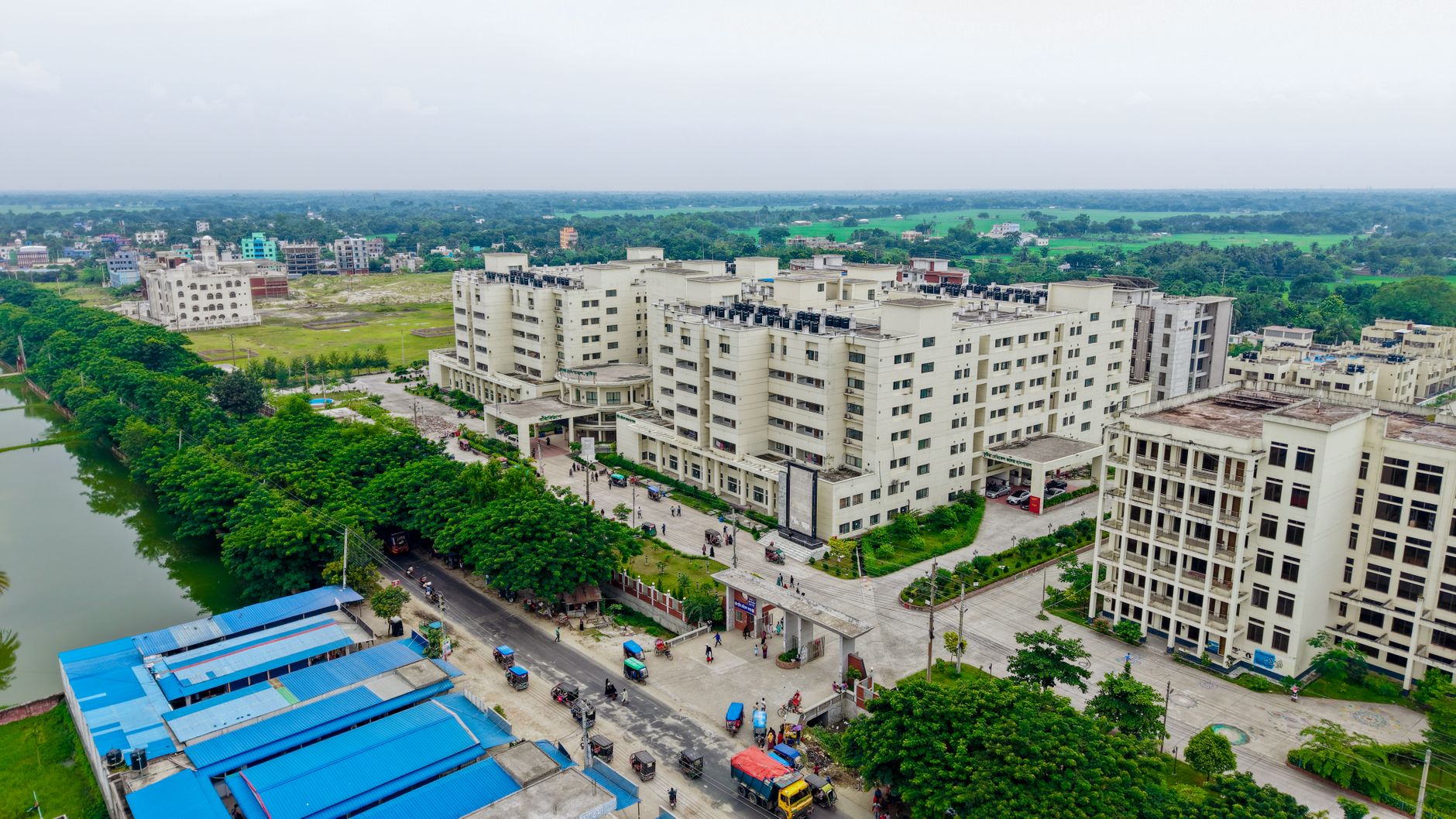
The contrast between bullock cart deliveries and today's reality is striking. Modern India boasts extensive road networks, efficient logistics systems, and widespread digital infrastructure. Government initiatives like Digital India and various state-level programs have equipped millions of schools with computer laboratories and internet connectivity.
However, disparities remain. While urban schools often have advanced computer facilities, some rural schools still struggle with basic infrastructure. The bullock cart story serves as a reminder of how far the nation has come and how much work remains.
Legacy and Lessons
The tale of India's first educational computer arriving on a bullock cart teaches important lessons about development and determination. Progress rarely follows a linear path, and countries need not wait for perfect conditions before pursuing ambitious goals. Sometimes the most significant advancements occur when communities adapt available resources to meet aspirational objectives.
This story also reminds us that development is ultimately about people—the educators who envisioned computer literacy for their students, the officials who arranged transportation, and the students who eagerly awaited their first encounter with technology. These human elements remain central to educational progress, regardless of the sophistication of the tools involved.
Today, as India pursues advanced technologies like artificial intelligence and quantum computing in education, the bullock cart computer remains a powerful symbol of humble beginnings and the nation's remarkable technological journey.