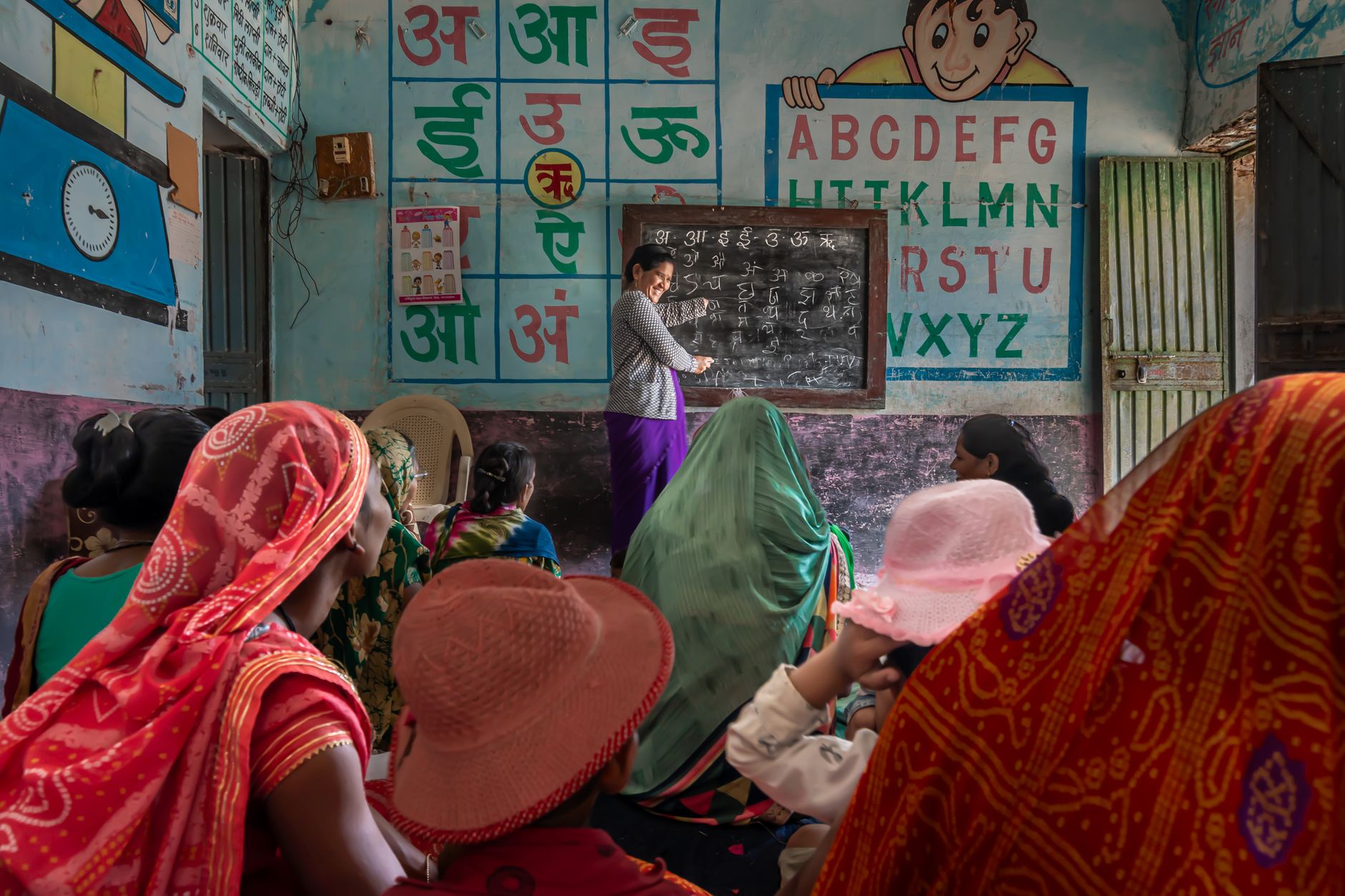
India's education system has long been criticised for its one-size-fits-all approach that prioritises rote memorisation over critical thinking and creativity. With over 260 million students enrolled across schools and colleges, the country operates one of the world's largest education networks, yet outcomes remain inconsistent. The debate around decentralising education has gained momentum as stakeholders question whether a centralised framework can adequately serve a nation as diverse as India.
The Case for Decentralisation
Centralised control of education policy often creates rigid curricula that fail to account for regional variations in language, culture, economic needs, and student demographics. States like Kerala and Tamil Nadu have historically performed better in education metrics partly because they exercised greater autonomy in curriculum design and implementation. Decentralisation would allow states and local bodies to develop education frameworks aligned with regional employment patterns, cultural contexts, and linguistic preferences.
When decision-making shifts closer to the ground level, schools and colleges can respond more quickly to local challenges. A rural school in Rajasthan faces vastly different infrastructure and socioeconomic challenges compared to an urban institution in Mumbai. Centralised policies struggle to address these nuances effectively, often leading to generic solutions that work nowhere particularly well.
Reducing Bureaucratic Delays
India's education sector suffers from multiple layers of bureaucracy spanning central ministries, state departments, university grants commissions, and various regulatory bodies. This complexity creates delays in fund allocation, curriculum updates, and policy implementation. Simple administrative tasks that should take weeks often stretch into months or years.
Decentralisation could streamline decision-making by reducing the number of approval levels required for routine matters. When state governments and local institutions have greater autonomy, they can allocate resources more efficiently, hire faculty based on regional needs, and adapt teaching methods without waiting for central approval.
Encouraging Innovation and Experimentation
A centralised system tends toward conservatism because policy failures at the national level carry enormous political and social costs. This risk-aversion stifles innovation. Decentralisation allows different states to experiment with various pedagogical approaches, assessment methods, and curriculum designs. Successful experiments can then be studied and adopted by others, while failures remain localised.
Countries like Finland and Canada have achieved educational excellence partly through decentralised systems that grant significant autonomy to schools and local authorities. These systems encourage teachers to innovate and adapt their methods to student needs rather than rigidly following prescribed national templates.
Addressing Regional Employment Needs
India's economy varies dramatically by region, with different states specialising in different industries. Tamil Nadu's automobile manufacturing hub requires different skill sets than Karnataka's technology sector or Punjab's agricultural economy. A centralised curriculum struggles to prepare students for these diverse economic realities.
Decentralised education would enable states to align their vocational training and higher education programs with local industry requirements. This could significantly improve employability and reduce the frustration of graduates who find their skills mismatched with available opportunities.
Challenges to Consider
Decentralisation is not without risks. Quality disparities between states could widen if poorer states lack the resources or administrative capacity to manage education effectively. National standards and oversight mechanisms would remain necessary to prevent a race to the bottom and ensure minimum quality benchmarks.
Coordination challenges could emerge in areas like student mobility between states, mutual recognition of degrees, and maintaining national competitiveness in global education rankings. These concerns require careful policy design rather than serving as arguments against decentralisation itself.
The Path Forward
Meaningful decentralisation requires more than simply transferring responsibilities to states. It demands adequate resource allocation, capacity building for state education departments, and frameworks for accountability and quality assurance. States need fiscal autonomy alongside administrative freedom to truly reform their education systems.
The National Education Policy 2020 acknowledges some of these concerns and proposes greater flexibility for institutions. However, implementation remains heavily centralised, and genuine devolution of power has been limited. For decentralisation to succeed, the central government must move beyond rhetoric and genuinely empower states and institutions to take ownership of education outcomes.
India's demographic dividend depends on transforming its vast youth population into a skilled, creative workforce. This transformation requires an education system responsive to local needs, capable of innovation, and free from excessive bureaucratic control. Decentralisation represents a promising path toward achieving these goals.