India's education system stands at a crossroads. Recent discussions about implementing stricter laws and regulations to improve educational outcomes have dominated policy debates, yet these measures often miss the fundamental problems plaguing the sector. The real issues run far deeper than what legislation alone can fix.
The Limitations of a Law-First Approach
Introducing stricter laws might seem like a straightforward solution to education challenges, but this approach treats symptoms rather than root causes. Regulations can mandate attendance, enforce teaching standards, or penalize institutions for non-compliance, but they cannot address the underlying structural weaknesses that have accumulated over decades.
Countries with highly successful education systems rarely attribute their achievements solely to stringent laws. Instead, they invest in teacher training, curriculum innovation, and creating environments where learning thrives organically. India's focus on compliance-driven reforms often creates additional bureaucratic burdens without improving actual learning outcomes.
Outdated Curriculum and Rote Learning Culture
At the heart of India's education crisis lies an outdated curriculum that prioritizes memorization over comprehension. Students spend years cramming facts and formulas for high-stakes examinations without developing critical thinking, problem-solving, or creativity.
This approach produces individuals who can recite textbooks but struggle to apply knowledge in real-world situations. The National Education Policy 2020 recognizes this problem, advocating for conceptual understanding and multidisciplinary learning, but implementation remains patchy and inconsistent across states.
The examination system compounds this issue. Board exams and competitive entrance tests reward rote learning, creating perverse incentives for both students and teachers to focus on memorization rather than genuine understanding.
Infrastructure and Resource Disparities
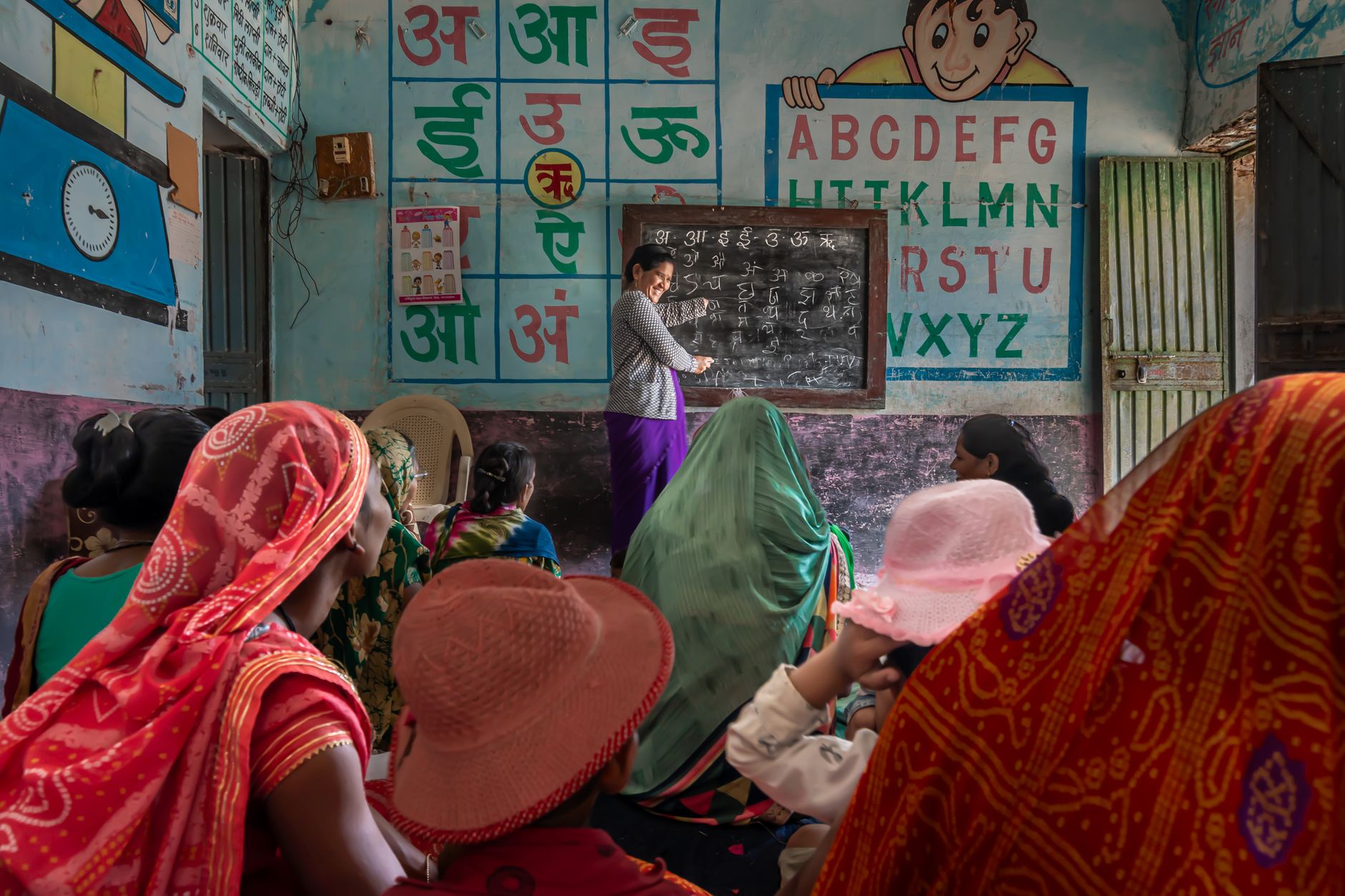
India's education system suffers from massive infrastructure gaps. While metropolitan areas boast world-class private institutions, rural and semi-urban regions often lack basic facilities including functional classrooms, libraries, laboratories, and sanitation facilities.
Government schools, which educate the majority of Indian children, frequently operate with insufficient resources. Teacher shortages mean overburdened educators managing classes of 60-80 students, making personalized attention impossible. Digital infrastructure remains inadequate, a gap starkly exposed during the COVID-19 pandemic when millions of students lost access to education entirely.
No amount of legislation can substitute for the fundamental investment needed in physical infrastructure, teaching materials, and technological resources.
The Teacher Training Deficit
Quality education begins with quality teachers, yet India's teacher training programs often fail to prepare educators for modern classrooms. Many teachers themselves were products of the same rote-learning system and lack training in innovative pedagogical methods.
Professional development opportunities remain limited, particularly in government schools. Teachers need continuous training in subject matter, teaching methodologies, and classroom management. They also require support in addressing diverse learning needs and integrating technology effectively.
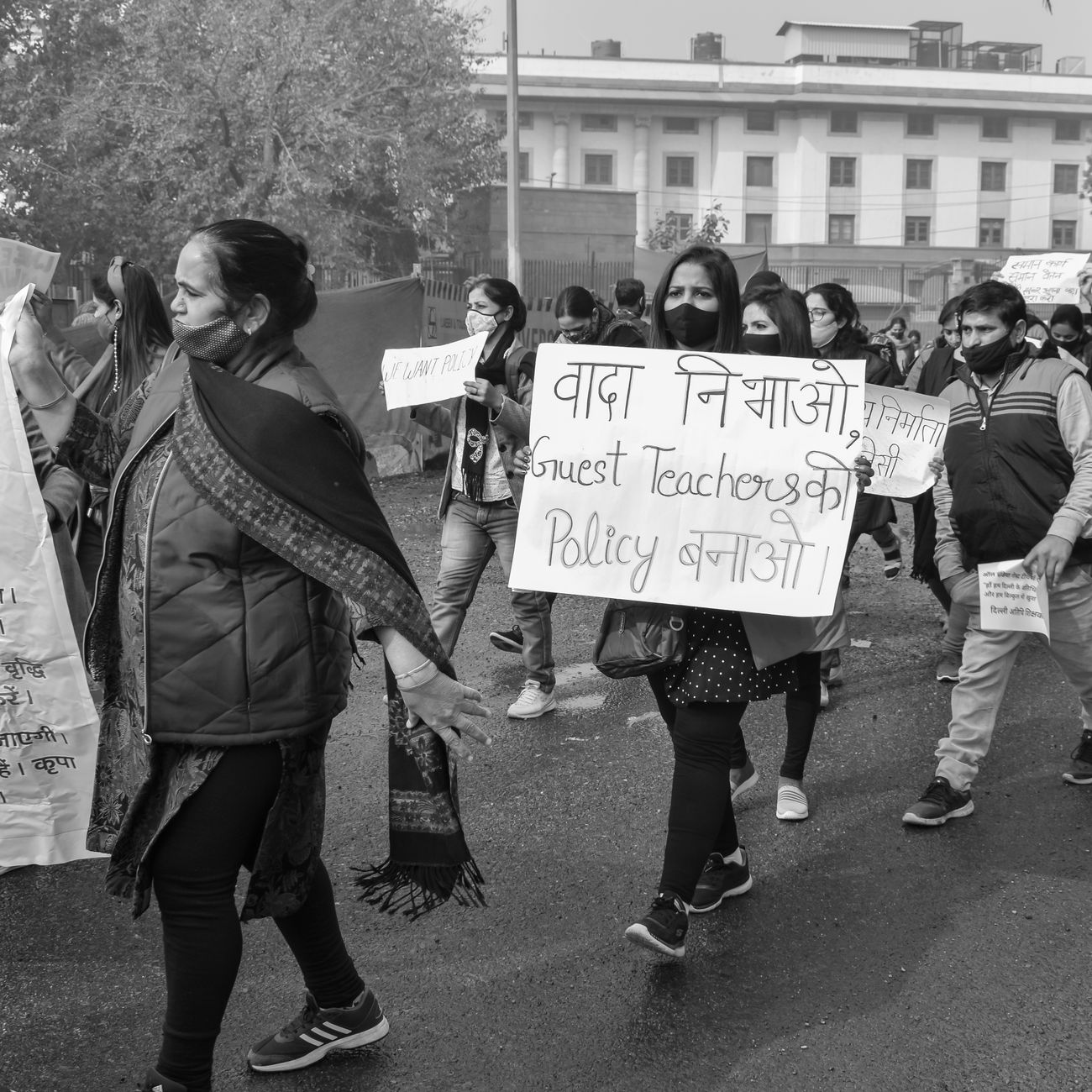
The low social status and inadequate compensation for teaching professionals, especially in rural areas, further discourage talented individuals from entering the profession. Stricter laws cannot address these motivation and capacity issues.
Assessment and Accountability Gaps
India's education system lacks robust mechanisms for measuring actual learning outcomes. While attendance and pass percentages are tracked, these metrics reveal little about whether students are acquiring usable knowledge and skills.
Regular learning assessments, such as the Annual Status of Education Report, consistently reveal that large percentages of students cannot perform grade-level tasks. Many fifth-graders cannot read second-grade texts or perform basic arithmetic. This learning crisis requires diagnostic assessments, remedial programs, and accountability systems that track genuine educational progress.
The Way Forward
Meaningful education reform requires a multi-pronged approach that addresses these systemic issues simultaneously.
First, curriculum reform must prioritize conceptual learning, critical thinking, and practical skills. Examinations should assess understanding rather than memorization.
Second, massive investment in infrastructure is essential, particularly in underserved areas. This includes physical facilities, digital resources, and learning materials.
Third, teacher recruitment, training, and professional development must become priorities. Competitive salaries and career advancement opportunities can attract talented individuals to teaching.
Fourth, assessment systems should focus on actual learning outcomes, enabling targeted interventions for struggling students.
Fifth, greater community participation in school governance can improve accountability and responsiveness to local needs.
Beyond Legislation
While laws certainly have a role in setting standards and ensuring compliance, they cannot replace the fundamental investments, innovations, and cultural shifts needed to transform India's education system. The focus must shift from regulating inputs to enabling outcomes, from enforcing compliance to fostering excellence.
India's demographic dividend depends on quality education that prepares young people for a rapidly changing world. Achieving this requires looking beyond stricter laws to address the root causes of educational underperformance through sustained commitment, adequate resources, and systemic reform.