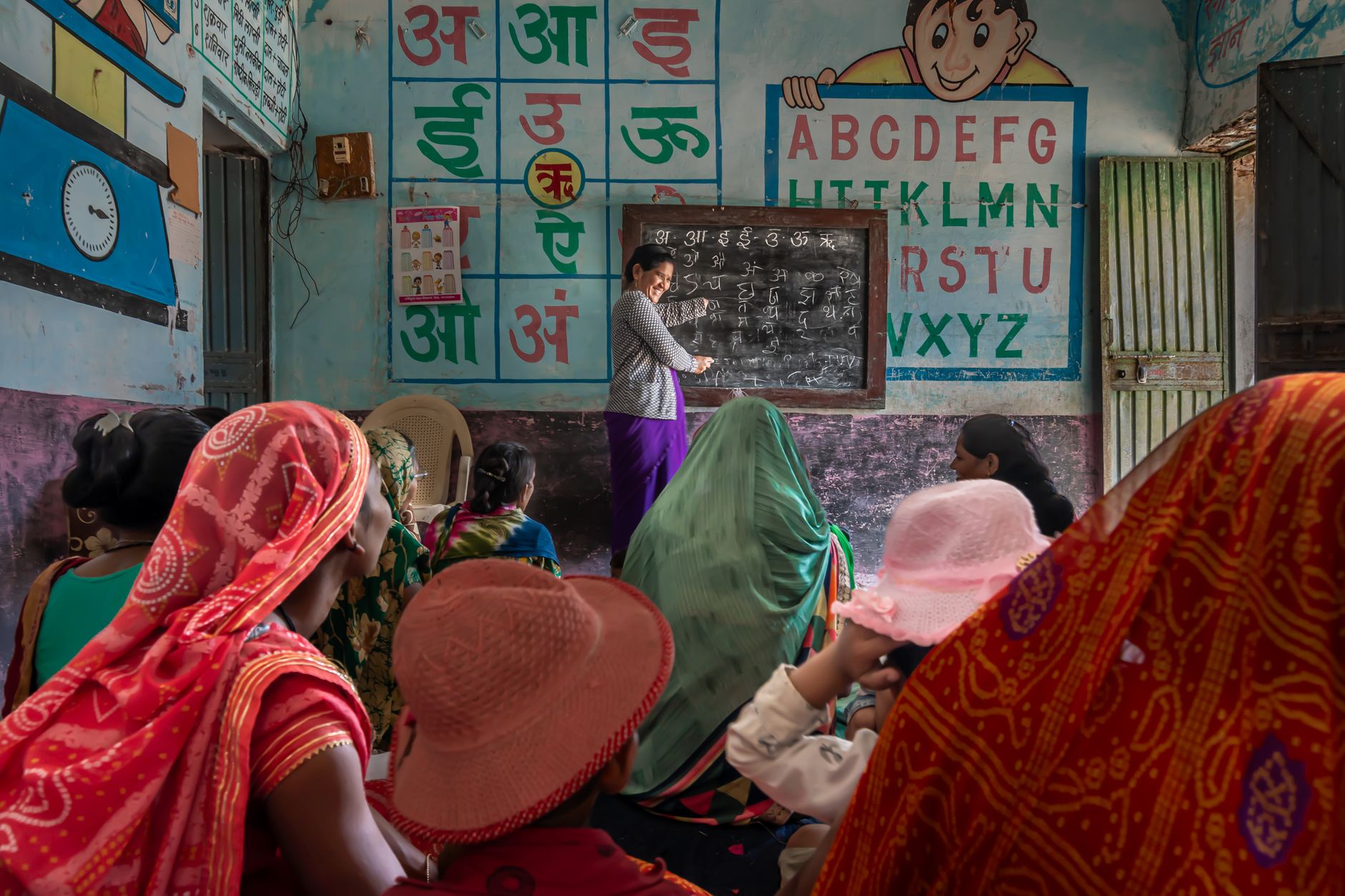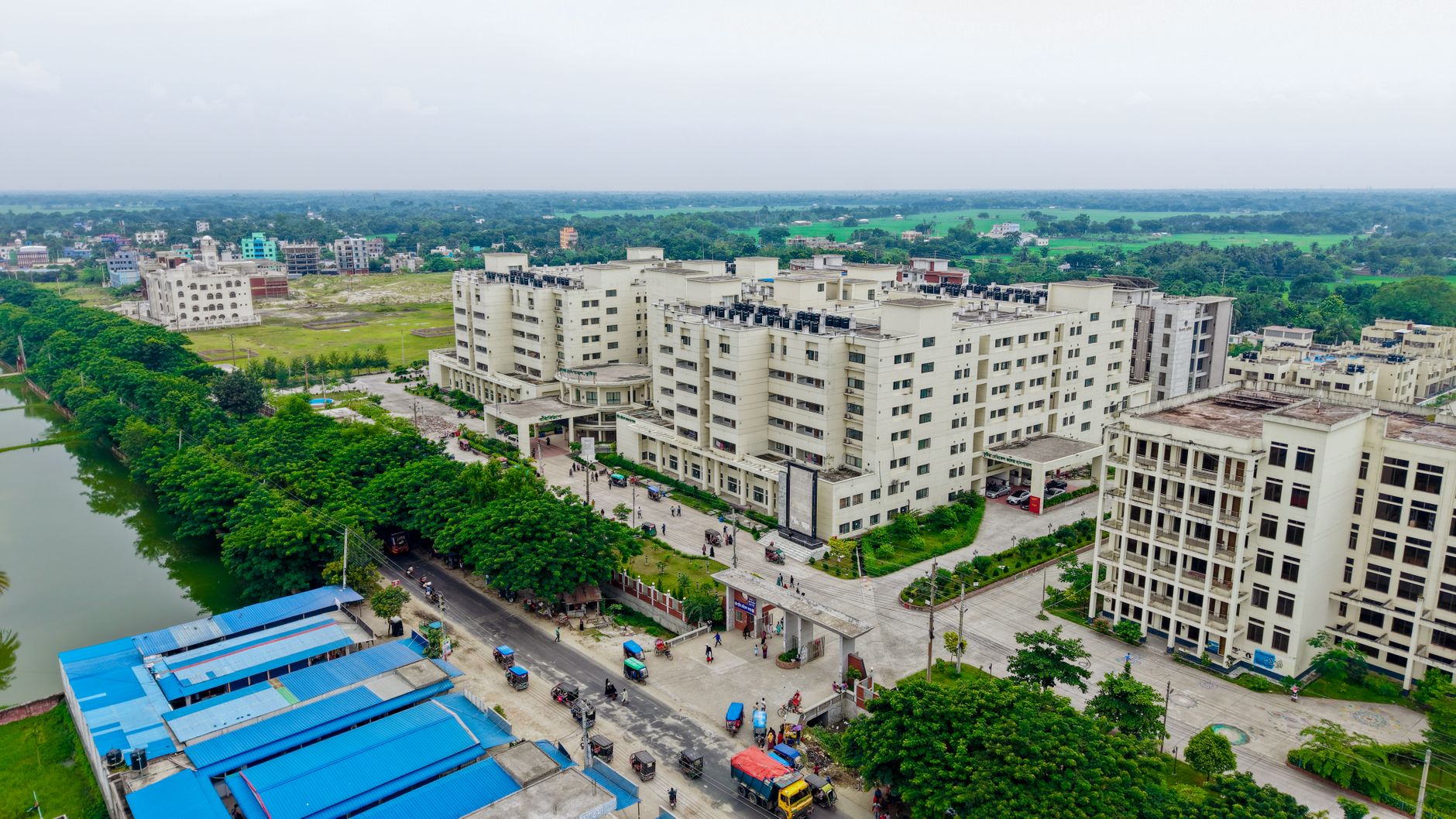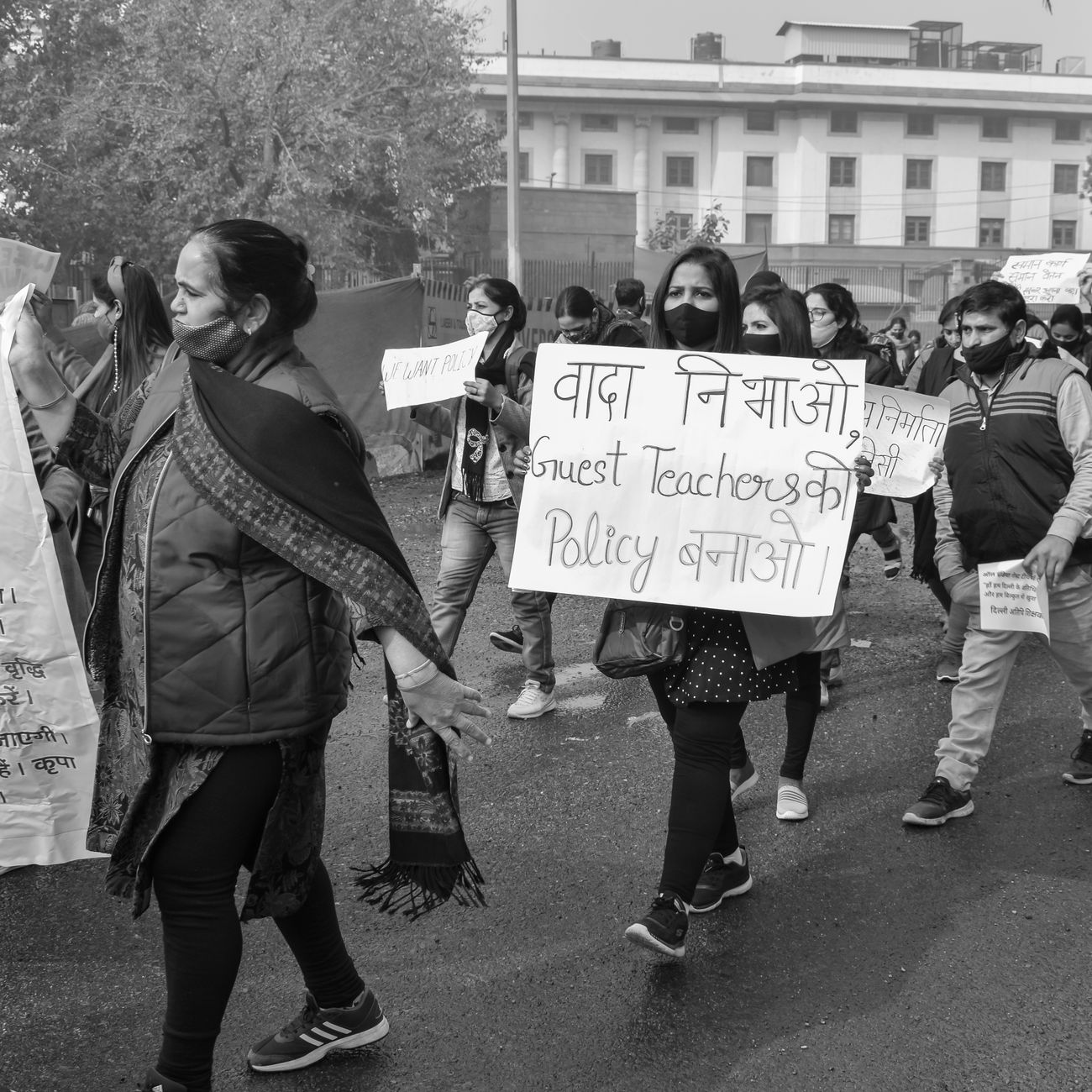
India's education system has long been at a crossroads, balancing the pressures of a billion-plus population's aspirations with the need for meaningful learning outcomes. Recent reforms signal a departure from reactive policymaking, instead reflecting a comprehensive reimagining of how Indians learn, what they learn, and why.
The Structural Problems That Demanded Change
India's education challenges extend far beyond classroom overcrowding or examination stress. The system has historically prioritized rote memorization over critical thinking, creating generations of students who excel at reproducing information but struggle with problem-solving and innovation. The rigid stream divisions—science, commerce, and arts—have long forced teenagers into premature career choices, often leading to mismatched talent and opportunity.
Employment statistics paint a sobering picture. Despite producing millions of graduates annually, India faces a significant skill gap, with industry estimates suggesting that nearly 50 percent of engineering graduates remain unemployable in their field due to outdated curricula and insufficient practical training. This disconnect between education and employability has created a paradox of high unemployment coexisting with unfilled job positions.
Beyond Surface-Level Adjustments
The current wave of reforms addresses these foundational issues through multiple interconnected approaches. The shift toward multidisciplinary education allows students to combine subjects previously considered incompatible, such as physics with philosophy or mathematics with music. This flexibility mirrors global educational trends and acknowledges that tomorrow's challenges require diverse knowledge bases.
The emphasis on vocational education integration represents another significant pivot. By embedding skill development within mainstream curricula rather than treating it as a separate, often stigmatized track, the reforms aim to dignify all forms of work while expanding student options. This approach recognizes that not every student's path leads through traditional academic gates.
Assessment reforms move beyond the high-stakes board examination model that has defined Indian education for decades. Continuous evaluation, reduced emphasis on year-end tests, and competency-based progression acknowledge that learning is a process, not a destination marked by a single test score.
The Digital Transformation Component
Technology integration forms a crucial pillar of these reforms, accelerated by lessons learned during pandemic-era remote learning. However, the focus extends beyond merely digitizing existing content. Adaptive learning platforms, artificial intelligence-powered personalized education, and virtual laboratories aim to democratize access to quality resources regardless of geographic location.
This digital push addresses India's stark urban-rural education divide. Students in remote villages can potentially access the same quality lectures, interactive materials, and assessment tools as their metropolitan counterparts, though infrastructure challenges remain significant.
Teacher Training and Empowerment
Perhaps the most critical yet underappreciated aspect of these reforms involves teacher preparation and development. New frameworks emphasize continuous professional development, moving away from the model where teachers receive initial training and then remain unchanged throughout their careers.
The reforms recognize that teachers need support to transition from being knowledge transmitters to learning facilitators. This requires not just pedagogical training but also addressing workload issues, administrative burdens, and professional respect within society.
Implementation Challenges
Despite progressive policy frameworks, execution remains India's perennial challenge. The federal structure means states hold significant educational autonomy, creating implementation variations. Resource constraints—both financial and human—pose obstacles, particularly in less developed regions.
Cultural resistance presents another hurdle. Generations of parents and students have internalized existing systems, viewing education primarily as a pathway to stable government jobs or prestigious professional degrees. Shifting these entrenched mindsets requires sustained effort and demonstrated success stories.
Economic and Social Implications
These reforms carry implications extending well beyond classroom walls. A more flexible, skill-oriented education system could significantly impact India's economic trajectory, potentially creating a workforce better equipped for the Fourth Industrial Revolution's demands.
Socially, democratized access to quality education through technology and reduced emphasis on rote learning could help level playing fields across class and caste lines. However, digital divides and resource disparities mean these benefits may not distribute evenly without conscious intervention.
The reforms also address India's demographic reality. With the world's largest youth population, India cannot afford an education system that fails to harness this potential. The window of demographic dividend remains open but won't last indefinitely.
Looking Forward
India's education reforms represent an ambitious attempt to fundamentally rewire a massive, complex system serving hundreds of millions of students. Success requires sustained political will, adequate resource allocation, and societal buy-in extending beyond any single government's tenure.
The true test lies not in policy documents but in whether a student in a small town ten years from now has genuinely different—and better—learning experiences and opportunities than today. That transformation requires viewing these reforms not as reactions to pressure but as investments in India's human capital and future.