India stands at a demographic crossroads. The country that once prided itself on its youthful population is now experiencing a significant shift. By 2050, nearly 20 percent of Indians will be over 60 years old, compared to just 8 percent in 2015. This transformation brings with it profound implications for how healthcare is delivered across the nation.
The Demographic Reality
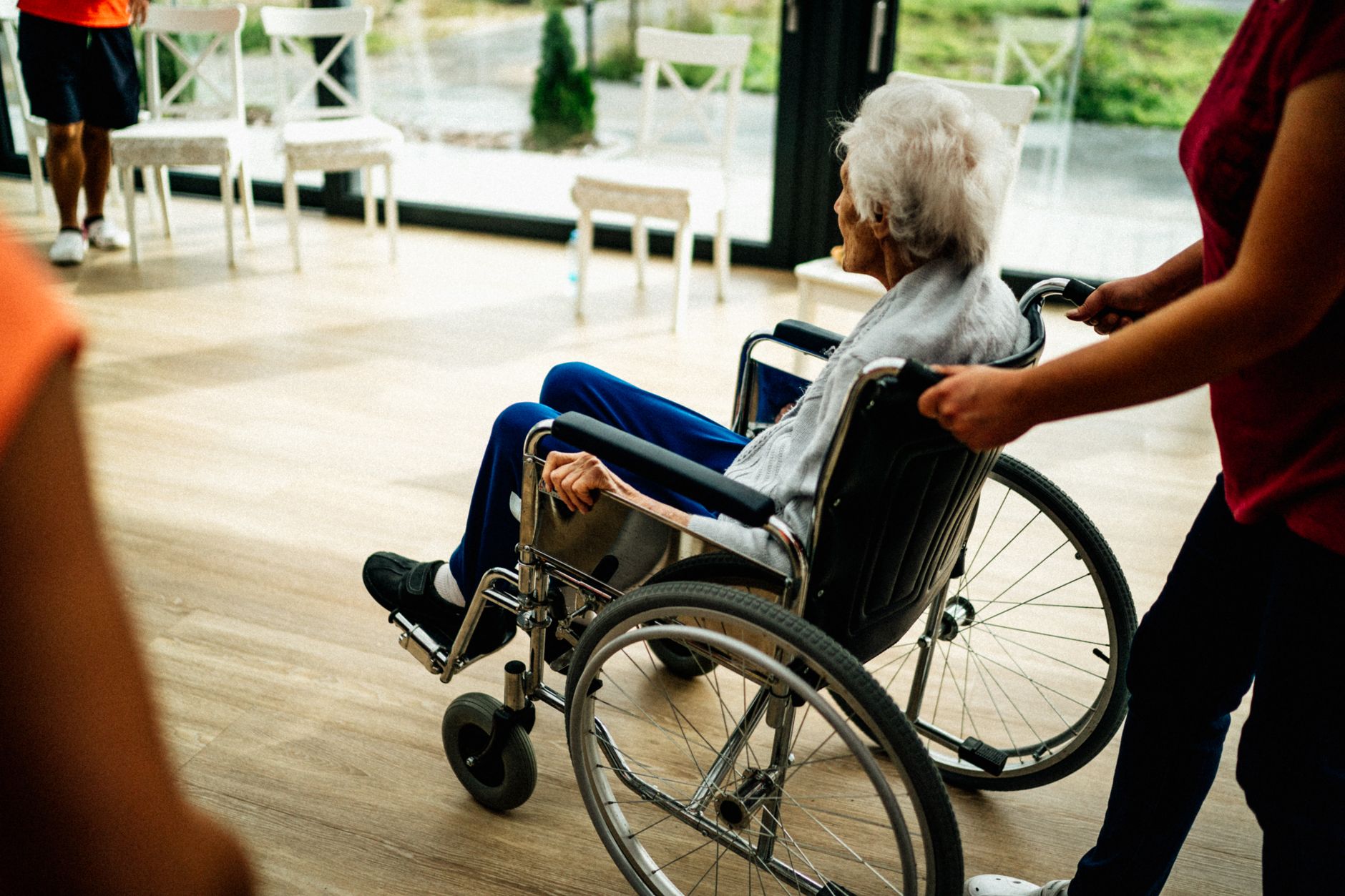
The aging of India's population is accelerating faster than many anticipated. Improved healthcare, better nutrition, and declining fertility rates have contributed to increased longevity. While this represents progress, it also creates unprecedented challenges. Elderly individuals typically require more frequent medical attention, management of chronic conditions, and specialized geriatric care.
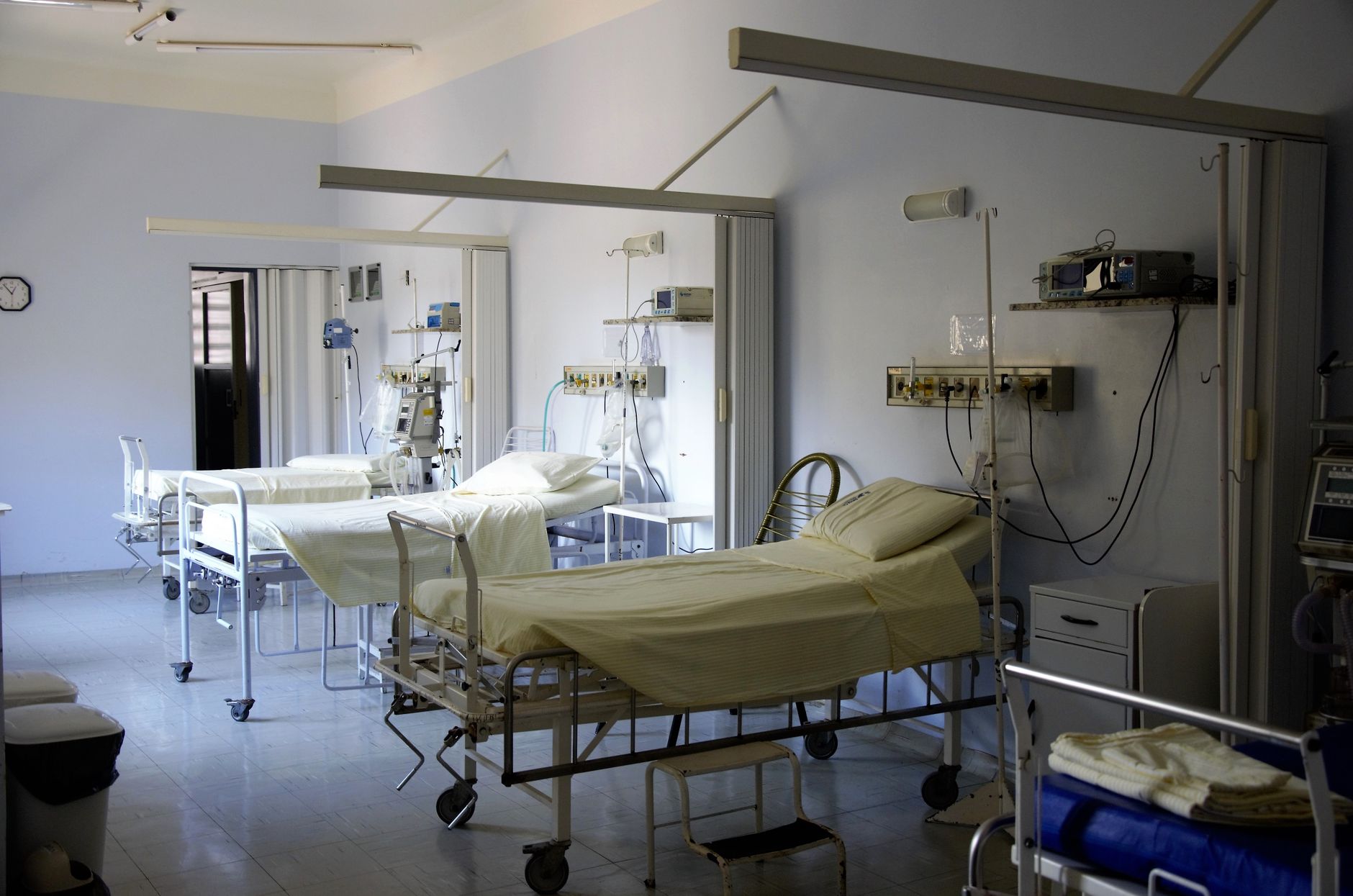
The current healthcare infrastructure, heavily concentrated in urban centers and hospital settings, is ill-equipped to handle this demographic wave. Long travel times, crowded facilities, and the physical strain of hospital visits make conventional healthcare delivery particularly burdensome for older adults.
Why Home Healthcare Matters
Home-based healthcare offers multiple advantages for elderly patients. For seniors with mobility limitations, chronic conditions like diabetes or hypertension, or those recovering from surgery, receiving care at home eliminates the stress and physical demands of hospital visits.
Regular monitoring of vital signs, medication management, physiotherapy, and routine check-ups can all be conducted in familiar surroundings. This not only improves patient comfort but often leads to better health outcomes. Studies have shown that elderly patients recover faster and experience less anxiety when treated in their own homes.
Beyond convenience, home healthcare proves cost-effective for families. It reduces expenses associated with transportation, hospital stays, and caregiver accommodation. For the healthcare system overall, it alleviates pressure on overcrowded hospitals and emergency rooms.
Community Healthcare Centers
Complementing home healthcare, community-based health centers represent another critical component of accessible elderly care. These smaller facilities, located within neighborhoods, can provide primary care, diagnostic services, and health monitoring without requiring patients to travel to distant hospitals.
Community health centers can serve as hubs for preventive care, conducting regular health screenings, organizing wellness programs, and providing health education specifically tailored to senior citizens. They can also coordinate with home healthcare providers, creating an integrated care network.
Technology as an Enabler
Digital health technologies are making decentralized healthcare increasingly viable. Telemedicine platforms allow doctors to conduct virtual consultations, review test results, and adjust treatment plans remotely. Wearable devices can monitor heart rate, blood pressure, blood sugar levels, and other vital parameters, transmitting data to healthcare providers in real-time.
Mobile health applications help elderly patients and their caregivers track medications, schedule appointments, and access health information. These technologies bridge the gap between patients and healthcare providers, making continuous monitoring and timely interventions possible without physical visits.
The Workforce Challenge
Implementing widespread home and community healthcare requires a substantial trained workforce. India needs more geriatric specialists, home healthcare nurses, physiotherapists, and community health workers specifically trained in elderly care.
Training programs must expand to equip healthcare professionals with skills in geriatric medicine, understanding age-related conditions, and providing compassionate care to seniors. Additionally, standardizing protocols and ensuring quality control in home healthcare services remains essential for building trust and ensuring safety.
Policy and Infrastructure Needs
Government policies must evolve to support this healthcare transformation. This includes:
- Licensing and regulating home healthcare providers to ensure quality standards
- Subsidizing home healthcare services for economically disadvantaged seniors
- Investing in community health infrastructure across urban and rural areas
- Creating insurance products that cover home-based and community healthcare
- Establishing referral networks connecting home care, community centers, and hospitals
Looking Forward
The shift toward home and community-based healthcare is not merely about convenience—it represents a fundamental rethinking of how medical services are delivered to an aging population. As India's demographic profile continues to evolve, healthcare systems must become more flexible, accessible, and patient-centered.
Success will require collaboration between government agencies, private healthcare providers, technology companies, and insurance firms. The goal is creating an integrated healthcare ecosystem where elderly Indians receive quality medical attention close to home, maintaining their dignity, independence, and quality of life.
This article provides general information about healthcare trends and should not be considered medical advice. Individuals should consult qualified healthcare professionals for specific medical guidance tailored to their personal health conditions and circumstances.