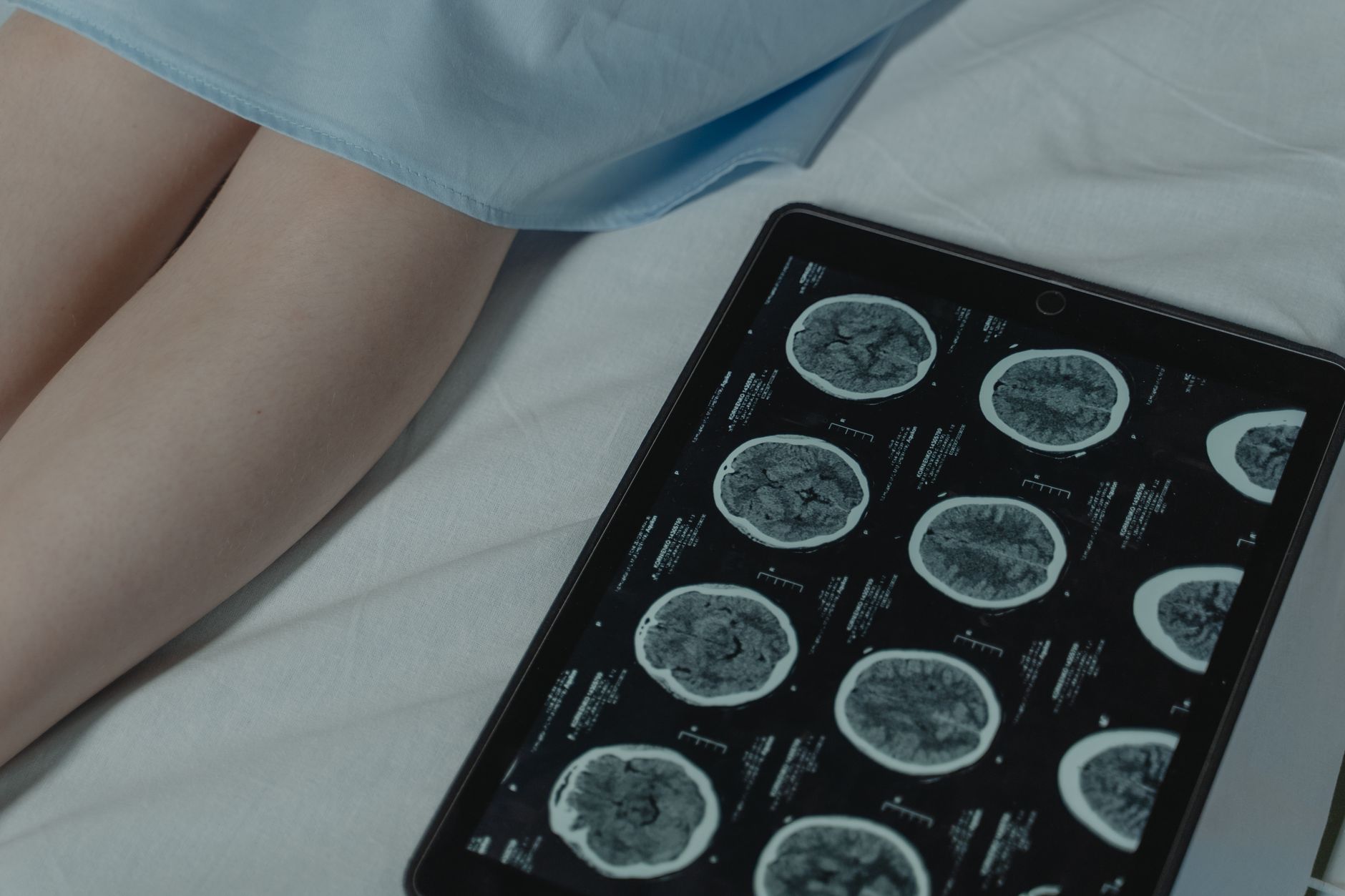
India is witnessing an alarming increase in neurological disorders at a time when the country is grappling with a critical shortage of qualified neurologists. This widening gap between demand and supply of neurological care has created a healthcare crisis that affects millions of Indians across urban and rural areas alike.
The Growing Burden of Brain Disorders
Neurological conditions have become one of the leading causes of disability and death in India. Stroke, epilepsy, dementia, Parkinson's disease, migraine, and traumatic brain injuries are among the most common conditions affecting the population. Recent data suggests that neurological disorders now account for a significant portion of the disease burden in the country, with stroke alone affecting approximately 1.8 million Indians annually.
The rise in brain disorders can be attributed to several factors. An aging population means more cases of age-related conditions like dementia and Parkinson's disease. Meanwhile, lifestyle changes including poor diet, lack of exercise, increased stress, and rising rates of diabetes and hypertension have contributed to higher incidence of stroke. Additionally, increased awareness and improved diagnostic capabilities mean that more cases are being identified than before.
The Neurologist Shortage Crisis
Despite this growing burden, India faces a severe shortage of neurologists. The country has approximately one neurologist for every 1 to 1.5 million people, far below the recommended ratio. The World Health Organization suggests that there should be at least one neurologist for every 100,000 people for adequate care. By this standard, India would need over 14,000 neurologists, but currently has fewer than 2,000 practicing specialists.
The shortage is even more acute in rural areas. The majority of neurologists are concentrated in major metropolitan cities like Delhi, Mumbai, Bengaluru, and Chennai, leaving vast rural populations with virtually no access to specialized neurological care. This urban-rural divide means that patients from smaller towns and villages often must travel hundreds of kilometers to consult a specialist, resulting in delayed diagnosis and treatment.
Why the Shortage Exists
Several factors contribute to the neurologist shortage in India. The limited number of seats in neurology training programs means that only a small number of doctors can specialize in this field each year. Medical colleges across the country produce far fewer neurology specialists than required to meet the growing demand.
Additionally, many qualified neurologists choose to practice in urban centers or migrate abroad for better opportunities and compensation. The demanding nature of neurology practice, combined with relatively lower earning potential compared to some other specialties, can also deter young doctors from pursuing this field.
Infrastructure challenges further compound the problem. Many healthcare facilities, particularly in rural and semi-urban areas, lack the necessary diagnostic equipment like MRI machines, CT scanners, and EEG devices that are essential for neurological diagnosis and treatment.
Impact on Patients and Healthcare System
The shortage of neurologists has serious consequences for patients. Delayed diagnosis of conditions like stroke, where "time is brain," can result in permanent disability or death. Patients with epilepsy may go years without proper treatment, affecting their quality of life and ability to work. Those with progressive conditions like multiple sclerosis or Parkinson's disease may not receive timely intervention that could slow disease progression.
The shortage also places enormous pressure on existing neurologists, leading to longer waiting times for appointments, rushed consultations, and physician burnout. General practitioners and physicians in smaller towns often must manage complex neurological cases without adequate training or support.
Potential Solutions
Addressing this crisis requires a multi-pronged approach. Expanding neurology training programs and increasing the number of seats in medical colleges would help produce more specialists. Telemedicine and virtual consultations can help bridge the geographic divide, allowing neurologists in urban centers to provide guidance to patients in remote areas.
Training more general physicians in basic neurological care can help manage common conditions at the primary care level. Government initiatives to incentivize specialists to practice in underserved areas through better compensation and infrastructure support could help distribute neurological care more evenly across the country.
Investing in public awareness campaigns about recognizing symptoms of common neurological disorders can lead to earlier presentation and better outcomes. Simultaneously, strengthening diagnostic infrastructure in district hospitals would enable earlier and more accurate diagnosis.
This article is for general informational purposes only and should not be considered medical advice. If you or someone you know is experiencing neurological symptoms, please consult a qualified healthcare professional for proper evaluation and treatment.