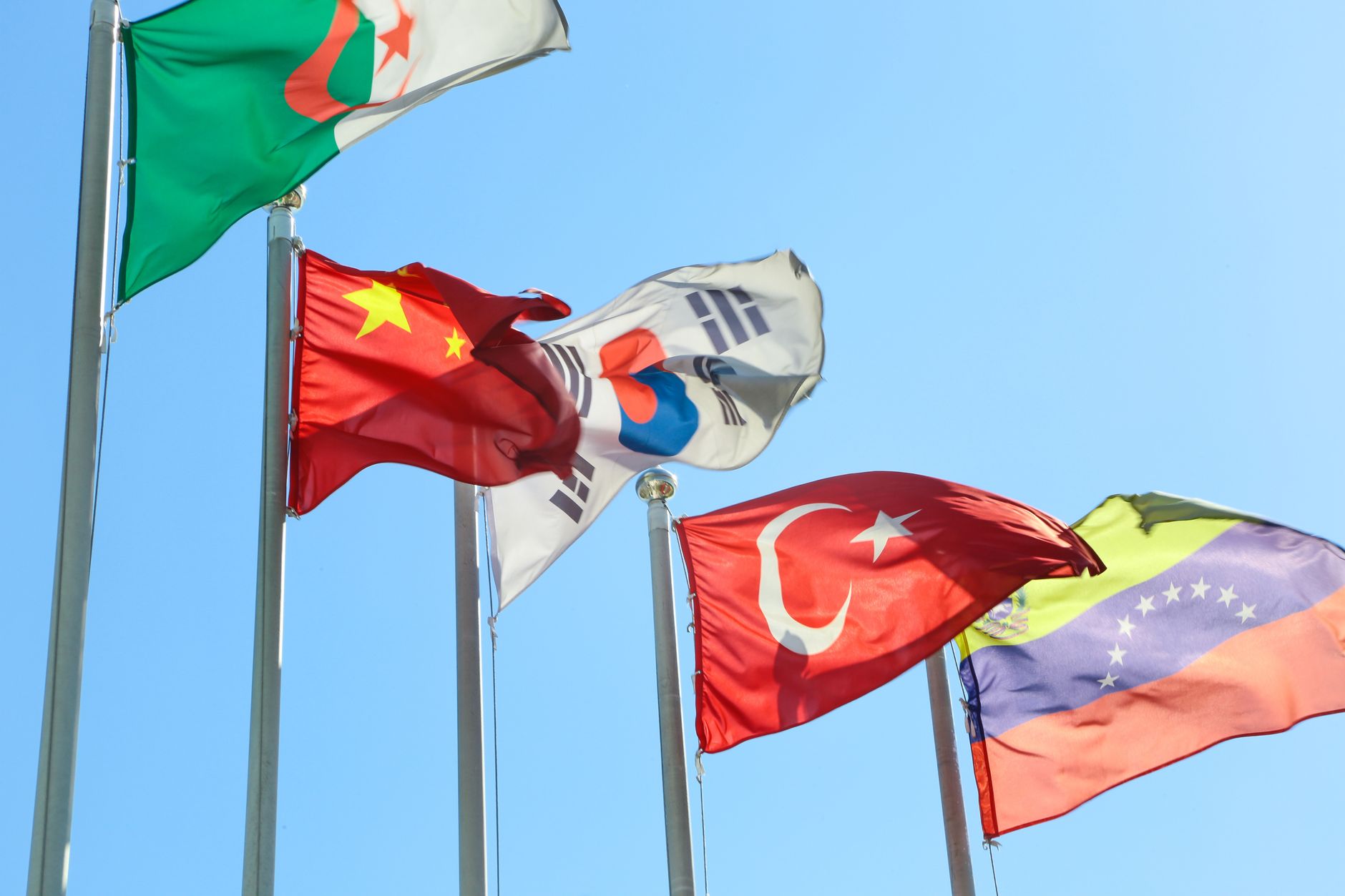
The BRICS nations—Brazil, Russia, India, China, and South Africa—have announced the formation of an expert working group dedicated to strengthening Traditional, Complementary, and Integrative Medicine (TCIM). This collaborative initiative marks a significant step toward establishing global standards for traditional healing systems that have served billions of people for thousands of years.
Understanding TCIM and Its Global Significance
Traditional, Complementary, and Integrative Medicine encompasses healthcare practices, approaches, and knowledge that incorporate plant, animal, and mineral-based medicines, spiritual therapies, manual techniques, and exercises. These systems are used either independently or alongside conventional modern medicine to maintain well-being and treat various ailments.
The BRICS nations collectively represent over 40 percent of the world's population and hold rich repositories of traditional medical knowledge. India's Ayurveda, Yoga, and Siddha systems, China's Traditional Chinese Medicine including acupuncture, Brazil's indigenous healing practices, Russia's herbal medicine traditions, and South Africa's traditional healing methods all fall under this umbrella.
The World Health Organization estimates that in some developing countries, up to 80 percent of the population relies on traditional medicine for primary healthcare needs. Despite this widespread usage, these systems often lack standardisation, scientific validation, and international recognition.
Why BRICS Nations Are Prioritising TCIM
Several factors drive this collaborative effort among BRICS countries. First, the COVID-19 pandemic highlighted the importance of diverse healthcare approaches and the limitations of depending solely on modern pharmaceutical interventions. Traditional medicine systems demonstrated their value in supporting immunity and managing mild to moderate cases during the crisis.
Second, the rising costs of modern healthcare and pharmaceutical products make traditional medicine an economically viable alternative, particularly for populations in emerging economies. Many TCIM treatments utilise locally available natural resources, reducing import dependencies and healthcare expenditure.
Third, there is growing global interest in holistic and preventive healthcare approaches. Modern medicine excels at treating acute conditions but often falls short in managing chronic lifestyle diseases. Traditional systems emphasise prevention, lifestyle modification, and treating the whole person rather than isolated symptoms.
The Expert Working Group's Mandate
The newly formed expert working group will focus on several key objectives to elevate TCIM on the global stage.
- Developing standardised protocols for TCIM education and practice across member nations
- Facilitating research collaboration and sharing clinical data on traditional medicine efficacy
- Creating regulatory frameworks that ensure quality control and patient safety
- Promoting intellectual property protection for traditional knowledge
- Establishing mechanisms for cross-border recognition of TCIM practitioners
- Integrating traditional medicine into national healthcare systems
- Encouraging sustainable sourcing of medicinal plants and natural resources
Potential Benefits and Challenges
The strengthening of TCIM cooperation among BRICS nations could yield substantial benefits. It may lead to increased research funding, scientific validation of traditional practices, and development of new therapeutic options. Patients could gain access to more affordable and culturally appropriate healthcare choices.
The initiative also positions BRICS nations to challenge Western pharmaceutical dominance and assert their medical heritage on the international stage. By setting standards within their bloc, these nations can influence global health policies and trade regulations related to traditional medicine.
However, significant challenges remain. Ensuring quality control across diverse traditional systems requires substantial investment in testing infrastructure. Balancing traditional knowledge protection with the need for scientific transparency presents complex intellectual property issues. Additionally, integrating traditional practitioners—who often learn through apprenticeship rather than formal education—into regulated healthcare systems requires sensitive policy frameworks.
India's Leadership Role
India, with its well-established AYUSH ministry (Ayurveda, Yoga and Naturopathy, Unani, Siddha, and Homoeopathy), is expected to play a leadership role in this initiative. The country has invested heavily in traditional medicine research institutions, education, and global outreach. India's experience in creating regulatory frameworks for traditional medicine and integrating these systems with modern healthcare could serve as a model for other member nations.
The BRICS TCIM collaboration represents a paradigm shift in global healthcare, where ancient wisdom meets modern scientific rigor. As the expert working group takes shape, millions of people worldwide may gain improved access to safe, effective, and affordable traditional medicine options.
This article provides general information about traditional medicine initiatives and should not be considered medical advice. Always consult qualified healthcare professionals for diagnosis and treatment of any health condition. The efficacy of traditional medicine practices varies, and individuals should make informed decisions based on scientific evidence and professional guidance.