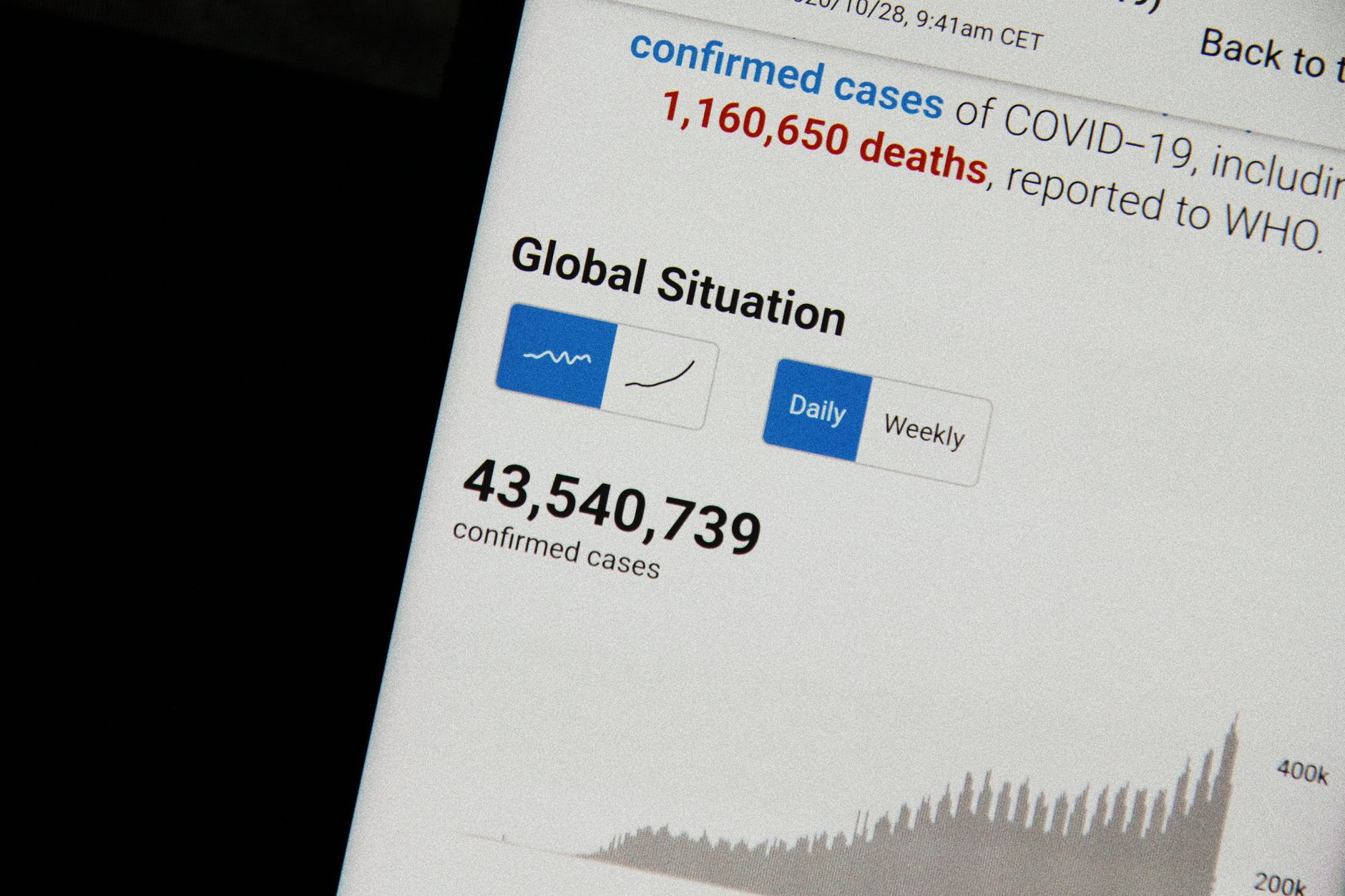
The recent uptick in Covid-19 cases across India has brought renewed attention to healthcare preparedness and, importantly, the fine print in health insurance policies. While most Indians now have some form of health coverage, either through employer-provided plans or individual policies, understanding what isn't covered can be just as important as knowing what is.
The Coverage Gap Most People Don't Know About
Health insurance policies in India have evolved significantly since the pandemic began, with many insurers adding Covid-19 coverage to their standard offerings. However, several important exclusions remain that policyholders should be aware of before they find themselves in a medical emergency.
What Typically Isn't Covered
### Initial Waiting Periods
Most health insurance policies impose waiting periods ranging from 30 days to several months before coverage becomes active. If you're purchasing a new policy now as cases rise, you may not be covered if you contract Covid-19 within the first month. Some insurers waived this requirement during peak pandemic waves, but many have reinstated standard waiting periods.
### Home Care and Quarantine Expenses
While hospitalisation for severe Covid-19 is generally covered, the costs associated with home isolation and quarantine often are not. This includes expenses for home monitoring equipment, oxygen concentrators purchased for home use, and medicines administered outside a hospital setting. Some policies may reimburse these expenses, but only up to specific sub-limits or not at all.
### Pre-existing Condition Complications
If you have pre-existing conditions such as diabetes, hypertension, or respiratory illnesses, complications arising from Covid-19 may fall under exclusions related to those conditions, particularly during the initial years of the policy. Standard pre-existing disease waiting periods range from two to four years.
### Experimental and Unproven Treatments
Treatments not yet approved by medical regulatory authorities or considered experimental are typically excluded. During the pandemic, this became relevant when various unproven therapies and medications circulated on social media, leading some patients to seek treatments not recognized by standard medical protocols.
### PPE and Consumables
Many policies exclude or limit coverage for personal protective equipment, consumables, and disposable items used during treatment. While IRDAI guidelines have attempted to address this, some insurers still impose caps on these expenses or exclude certain items entirely.
Room Rent Limitations
If your policy has room rent restrictions, you could face proportionate deductions across all your medical bills. For instance, if your policy covers up to Rs 5,000 per day for a room but you occupy one costing Rs 10,000, the insurer may reduce all eligible claims proportionately, even for ICU charges or procedures.
What You Can Do
### Review Your Policy Documents
Take time to read through your policy wording, particularly the exclusions section. Look for specific mentions of pandemic coverage, waiting periods, and sub-limits that might affect your claims.
### Consider Top-Up or Super Top-Up Plans
These can provide additional coverage beyond your base policy limits at affordable premiums. They're particularly useful if you're concerned about high treatment costs depleting your primary coverage.
### Keep Documentation Ready
Maintain organized records of all medical prescriptions, bills, diagnostic reports, and doctor's recommendations. Proper documentation strengthens your claim and helps avoid disputes over covered expenses.
### Understand Sub-Limits
Many policies impose sub-limits on specific expenses like ambulance charges, ICU costs, or diagnostic tests. Knowing these limits helps you plan for potential out-of-pocket expenses.
### Check Network Hospitals
Cashless treatment is only available at network hospitals. Verify which hospitals near you are in your insurer's network and confirm they have Covid-19 treatment facilities.
The Importance of Disclosure
When purchasing or renewing health insurance, always disclose your complete medical history accurately. Non-disclosure can lead to claim rejections, even for unrelated illnesses, as it constitutes a breach of policy terms.
As Covid-19 continues to circulate, being informed about your health insurance coverage gaps allows you to make better financial decisions and potentially seek supplementary coverage where needed. The goal is to ensure you're protected not just on paper, but in practice when medical care becomes necessary.
This article provides general information only and should not be considered as financial or medical advice. Please consult with qualified insurance advisors and healthcare professionals to understand your specific policy terms and health requirements.