India's monsoon season brings more than just relief from summer heat. The annual rains create ideal breeding conditions for mosquitoes, resulting in a predictable surge of vector-borne diseases, particularly dengue fever. This year's monsoon has seen dengue cases climbing sharply across multiple states, even as other traditional diseases show encouraging declines, presenting health authorities with a complex epidemiological picture.
The Dengue Surge Explained
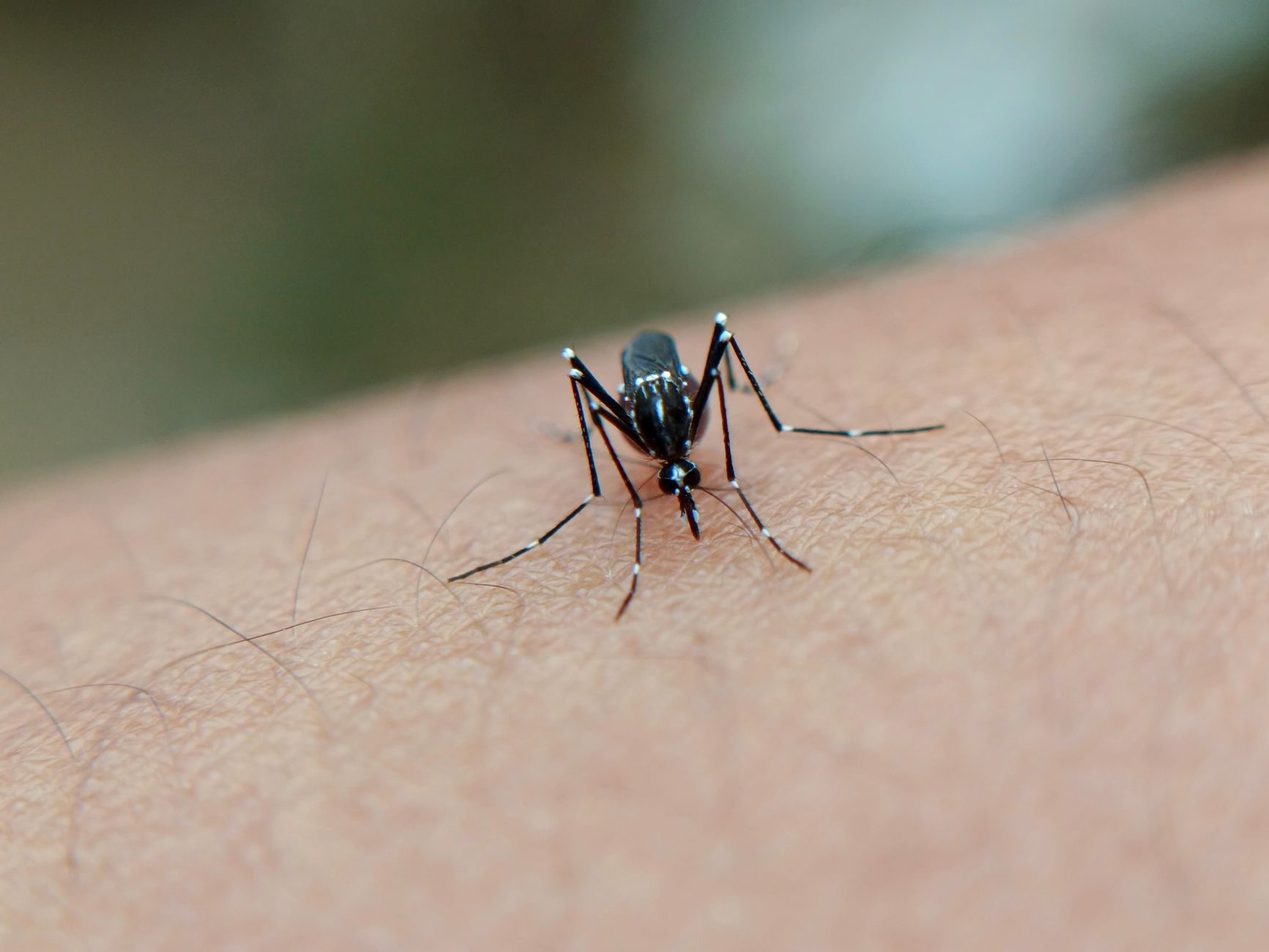
Dengue fever, transmitted by Aedes aegypti and Aedes albopictus mosquitoes, thrives during monsoon conditions. Stagnant water in containers, tyres, flower pots, and construction sites becomes prime breeding ground for these day-biting mosquitoes. Urban and peri-urban areas are particularly vulnerable due to dense populations and inadequate waste management systems that allow water accumulation.
The symptoms of dengue range from high fever, severe headache, and joint pain to more serious complications like dengue hemorrhagic fever and dengue shock syndrome. The disease typically strikes suddenly and can progress rapidly, making early detection and supportive care crucial for patient outcomes.
Declining Traditional Vector-Borne Diseases
While dengue cases rise, India has recorded notable success against other vector-borne illnesses. Malaria cases have been declining steadily thanks to aggressive control programmes including indoor residual spraying, distribution of insecticide-treated bed nets, and improved diagnostic and treatment facilities in endemic regions.
Kala-azar, or visceral leishmaniasis, has also seen significant reductions. The National Kala-azar Elimination Programme has targeted the disease through early case detection, complete treatment, and vector control measures. The disease, once prevalent across Bihar, Jharkhand, West Bengal, and eastern Uttar Pradesh, now affects far fewer people annually.
These improvements reflect decades of sustained public health investment, better surveillance systems, and community awareness programmes that have changed health-seeking behaviours in affected regions.
The Rising Tide of Non-Communicable Diseases
However, India's disease burden has fundamentally shifted. Non-communicable diseases (NCDs) including diabetes, cardiovascular diseases, cancer, and chronic respiratory conditions now account for a majority of deaths and disability in the country. This epidemiological transition reflects changing lifestyles, urbanisation, dietary shifts, and an ageing population.
The numbers are striking. India has over 70 million people living with diabetes, one of the highest burdens globally. Cardiovascular diseases claim millions of lives annually, often striking people in their productive years. Cancer cases continue to rise, with late detection remaining a significant challenge.
The Double Disease Burden Challenge
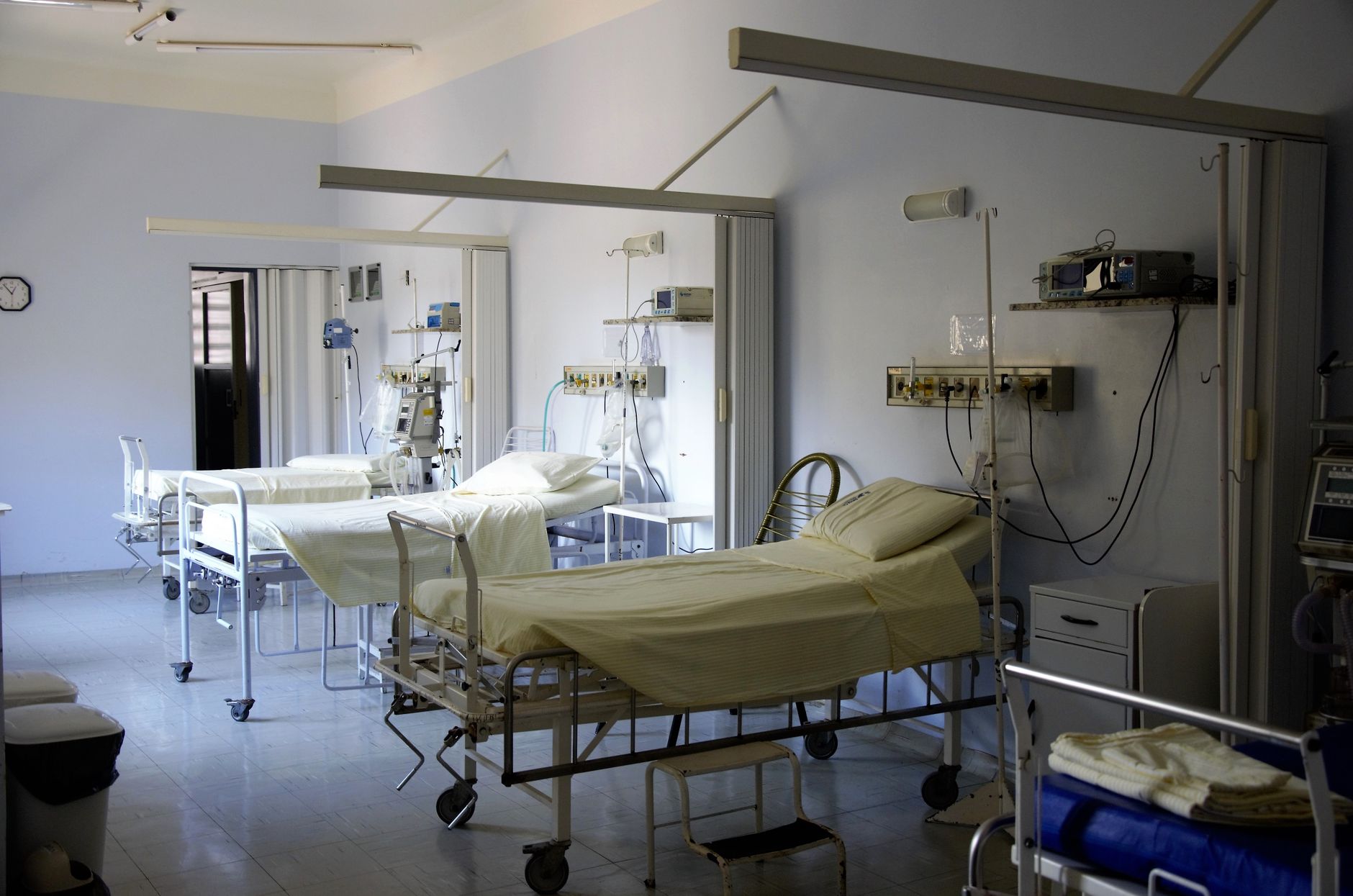
This dual burden—persisting infectious diseases alongside rising NCDs—strains India's healthcare system in unique ways. Hospitals must maintain capacity for seasonal disease outbreaks while simultaneously building infrastructure for long-term chronic disease management. Healthcare workers need training across a broader spectrum of conditions. Resource allocation becomes increasingly complex when acute infectious diseases and chronic conditions compete for funding and attention.
The challenge is particularly acute in urban areas where dengue outbreaks coincide with high NCD prevalence. A person with diabetes or hypertension who contracts dengue faces higher complication risks, requiring more intensive medical management.
Prevention and Preparedness
Effective dengue prevention requires community participation. Key measures include eliminating mosquito breeding sites by ensuring no water accumulates in containers, using mosquito repellents and nets, wearing protective clothing, and maintaining good sanitation. Municipal authorities must intensify fogging operations and ensure proper waste management during monsoon months.
For NCDs, prevention focuses on lifestyle modifications including regular physical activity, balanced diets, tobacco cessation, and limited alcohol consumption. Regular health screenings enable early detection when treatment is most effective.
Path Forward
Addressing India's double disease burden requires integrated approaches. Strengthening primary healthcare systems can provide both infectious disease surveillance and NCD screening under one roof. Community health workers can be trained to recognise symptoms of both acute infections and chronic conditions.
Investment in public health infrastructure, improved sanitation and waste management, and sustained health education campaigns remain essential. Climate change may further complicate disease patterns, making adaptive strategies increasingly important.
This article is for general information purposes only and is not a substitute for professional medical advice. If you experience symptoms of dengue or any other health condition, please consult a qualified healthcare provider for proper diagnosis and treatment.