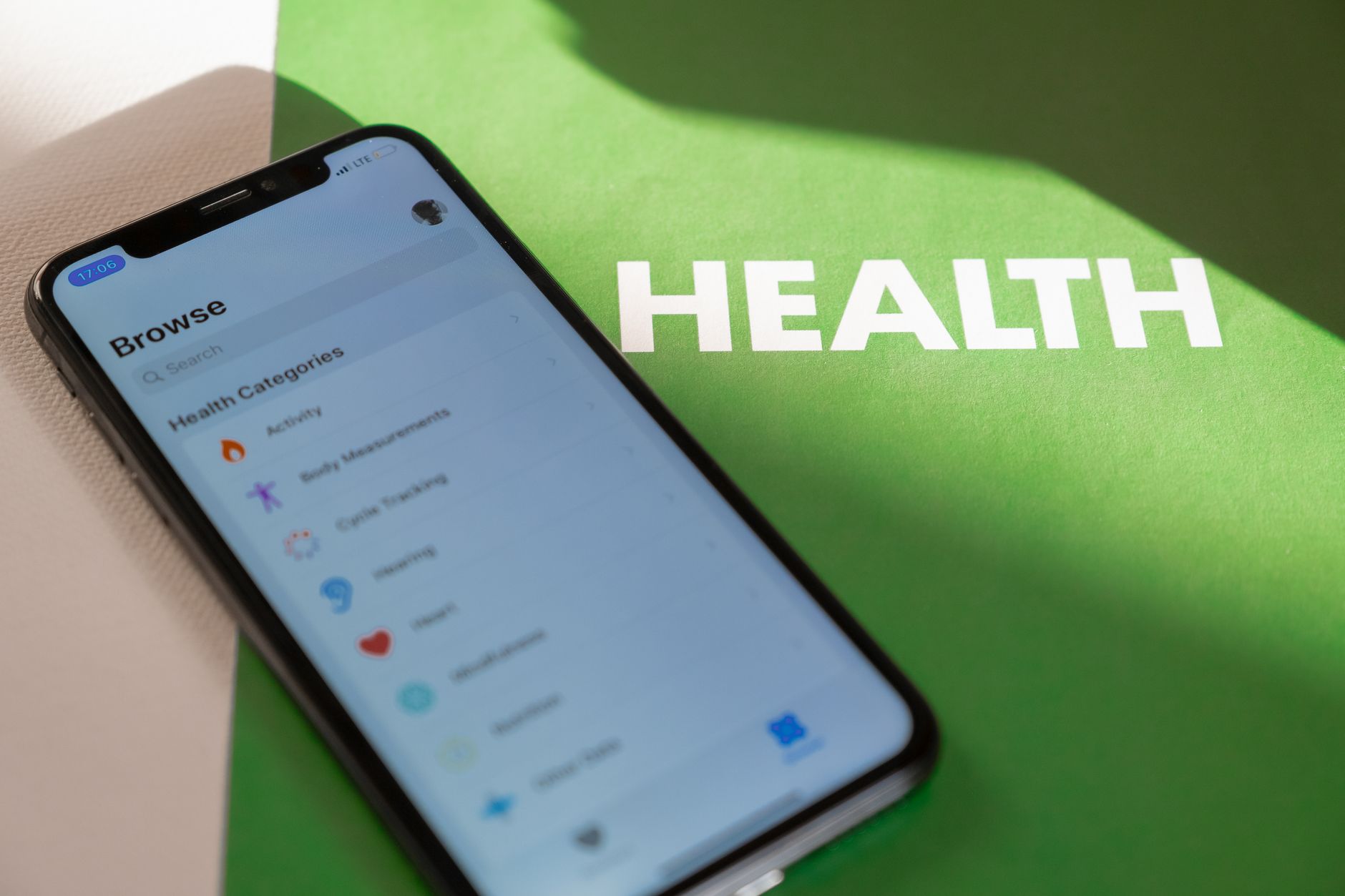
India is undergoing a fundamental transformation in how healthcare information is stored, shared, and controlled. For decades, medical records remained scattered across hospitals, clinics, and diagnostic centres, with patients having little say in how their health data was managed. Today, the country's digital health infrastructure is changing this paradigm, placing citizens at the centre of their healthcare journeys.
The Traditional Healthcare Data Problem
Historically, Indian patients faced numerous challenges with medical records. Paper files would get lost or damaged, test results remained locked in individual hospital systems, and changing doctors meant repeating expensive diagnostic procedures. Patients had no consolidated view of their health history, making it difficult for healthcare providers to deliver informed care during emergencies or when treating chronic conditions.
This fragmented system led to inefficiencies, increased healthcare costs, and sometimes compromised patient safety. A person visiting multiple specialists would carry physical files between appointments, risking loss of critical information. During medical emergencies, doctors had no quick access to a patient's medication history, allergies, or previous conditions.
Digital Health Infrastructure Takes Shape
India's Ayushman Bharat Digital Mission represents the government's ambitious effort to create a comprehensive digital health ecosystem. At its core lies the creation of unique health identifiers for every citizen, functioning similarly to how Aadhaar revolutionized identity verification. These Health IDs serve as keys to unlock personal health records stored across the country's healthcare network.
The infrastructure connects hospitals, diagnostic laboratories, pharmacies, insurance companies, and telemedicine platforms through standardized digital protocols. This interoperability ensures that health records created at one facility can be securely accessed at another, with the patient's explicit consent.
What Health Ownership Actually Means
Digital health ownership means citizens have unprecedented control over their medical information. Through mobile applications and web portals, individuals can access their complete health history, including consultation notes, prescriptions, laboratory reports, imaging studies, and immunization records.
More importantly, patients decide who can view their records and for how long. A patient consulting a specialist can grant temporary access to relevant portions of their health history, then revoke that access later. This consent-based sharing ensures privacy while enabling seamless care coordination.
Practical Benefits for Citizens
The shift toward health ownership delivers tangible advantages in daily life. Patients no longer need to maintain bulky physical files or remember details from appointments years ago. Everything is stored digitally and retrievable instantly.
Key benefits include:
- Elimination of redundant medical tests, saving money and time
- Quick access to health records during emergencies, potentially life-saving
- Simplified insurance claims with digital documentation
- Better continuity of care when switching healthcare providers
- Easier tracking of medications, vaccinations, and chronic conditions
- Ability to share records with family members during medical decisions
- Enhanced ability to seek second opinions with complete information
Technology Enabling the Transformation
Several technological building blocks make this transformation possible. Cloud computing allows secure storage of massive amounts of health data. Encryption and blockchain technologies protect sensitive information from unauthorized access. Artificial intelligence helps organize and analyze health records, flagging potential issues or drug interactions.
Mobile penetration across India, including in rural areas, means even citizens with basic smartphones can participate in the digital health ecosystem. Applications are being designed with vernacular language support and simple interfaces to ensure accessibility.
Challenges and Concerns
Despite the promise, significant challenges remain. Digital literacy varies greatly across India's population, potentially excluding elderly citizens or those in remote areas from fully utilizing these systems. Privacy concerns persist, as healthcare data is highly sensitive and vulnerable to breaches or misuse.
Infrastructure gaps, particularly reliable internet connectivity in rural regions, can limit access to digital health platforms. There's also the question of what happens to health data if technology platforms shut down or undergo ownership changes.
Building trust among citizens who have never interacted with digital health systems requires sustained education and demonstration of tangible benefits. Healthcare providers, too, need training and incentives to adopt digital record-keeping practices uniformly.
The Road Ahead
India's digital health journey is still in relatively early stages, but the direction is clear. As more healthcare providers integrate with the national infrastructure and more citizens create health IDs, the network effects will strengthen. Future developments may include AI-powered health insights, predictive analytics for disease prevention, and seamless integration with wearable health devices.
The transformation from passive recipients of healthcare services to active owners of health information represents a significant cultural and technological shift. Success will depend on continued investment in digital infrastructure, robust privacy protections, and inclusive design that serves all Indians regardless of their technological sophistication or economic status.
This article is intended for general informational purposes only and does not constitute medical or technology advice. Readers should consult with qualified healthcare professionals regarding their specific health concerns and with appropriate technology experts regarding digital security matters.