Cancer remains one of the leading causes of mortality in India, with late-stage diagnosis continuing to be a major challenge in improving survival rates. The introduction of advanced blood-based multi-cancer detection technology represents a significant leap forward in making early cancer screening more accessible and less invasive for Indian patients.
What Is Multi-Cancer Detection Technology
Multi-cancer detection tests represent a breakthrough in oncology screening, moving beyond traditional single-cancer detection methods. These tests analyze circulating tumor DNA and other biomarkers present in blood samples to identify signals from multiple types of cancers simultaneously. Unlike conventional screening methods that typically focus on one cancer type at a time, this technology can potentially detect dozens of different cancers from a single blood draw.
The science behind these tests relies on identifying specific genetic mutations and molecular patterns that cancer cells shed into the bloodstream. Even when tumors are small and potentially asymptomatic, they release fragments of DNA that can be detected and analyzed using sophisticated genomic sequencing technology.
Why This Matters For Indian Patients
India faces a substantial cancer burden, with approximately 1.4 million new cancer cases diagnosed annually. A significant proportion of these cases are detected at advanced stages, when treatment options are limited and outcomes are less favorable. Traditional screening methods, while effective for certain cancers, often require multiple separate tests, can be invasive, or have limited accessibility in tier-2 and tier-3 cities.
Blood-based cancer detection offers several advantages for the Indian healthcare context. The test is minimally invasive, requiring only a simple blood draw rather than more complex procedures like colonoscopies or imaging scans. This could particularly benefit patients in areas with limited access to advanced diagnostic facilities, as blood samples can be collected locally and sent to centralized laboratories for analysis.
How The Technology Works
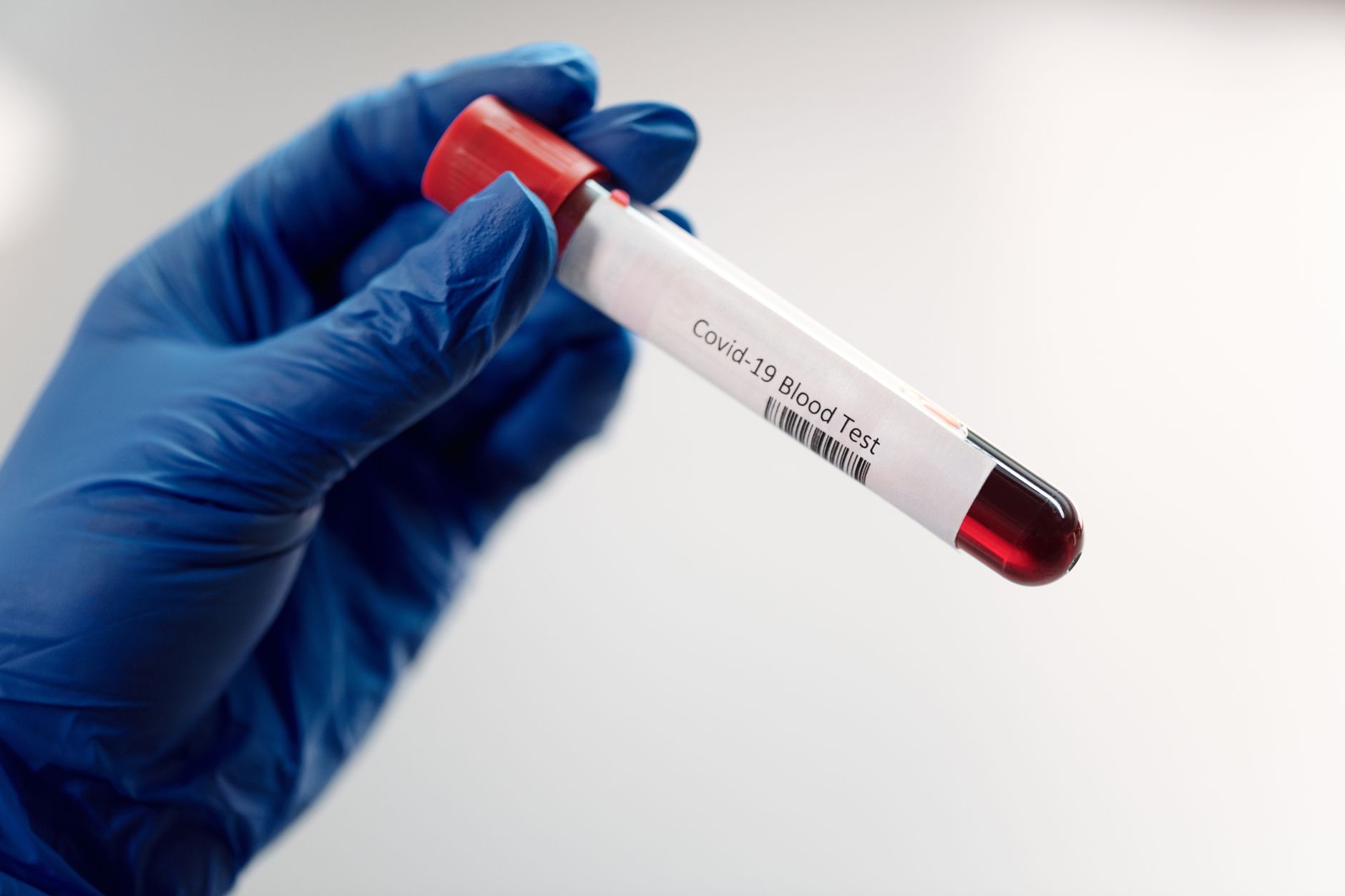
The multi-cancer detection process begins with a standard blood sample collection. Laboratory technicians then isolate cell-free DNA from the blood plasma. This DNA is subjected to next-generation sequencing, a powerful technology that can read millions of DNA fragments simultaneously and identify abnormalities associated with cancer.
Advanced algorithms analyze the sequencing data to detect cancer-specific signals, including mutations, methylation patterns, and other molecular markers. The technology can often indicate not only the presence of cancer but also suggest the tissue of origin, helping guide further diagnostic workup and treatment planning.
Current Limitations And Considerations
While this technology represents significant progress, it is important to understand its role in the broader cancer screening landscape. Multi-cancer detection tests are typically designed to complement, not replace, existing recommended screening methods for cancers like breast, cervical, and colorectal cancer, where established screening protocols have proven effectiveness.
The tests may have varying sensitivity levels for different cancer types, performing better for some cancers than others. False positives can occur, potentially leading to anxiety and additional testing. Conversely, false negatives are possible, meaning the test might not detect all cancers present.
Accessibility And Cost Factors
The availability of such advanced diagnostic technology through established laboratory networks like Dr Dangs Lab could improve accessibility for urban Indian populations. However, the cost of these sophisticated tests typically remains higher than traditional screening methods, which may limit widespread adoption initially.
As the technology matures and gains acceptance, economies of scale and potential insurance coverage could make these tests more affordable over time. For high-risk individuals or those with family histories of cancer, the investment in comprehensive screening may offer significant value in terms of early detection benefits.
The Future Of Cancer Screening
The introduction of multi-cancer detection technology in India signals a broader shift toward precision medicine and personalized healthcare approaches. As these tests become more refined and validated through real-world use, they may eventually become part of routine health checkups for appropriate age groups and risk categories.
Combining blood-based detection with artificial intelligence, expanded biomarker panels, and integration with electronic health records could further enhance early cancer detection capabilities in the coming years.
This article is for general informational purposes only and does not constitute medical advice. Individuals should consult with qualified healthcare professionals to determine appropriate cancer screening strategies based on their personal health history, risk factors, and current medical guidelines.