Guyana, a small South American nation experiencing unprecedented economic transformation, has formally requested India's assistance in building capacity across three critical sectors: energy, healthcare, and agriculture. This partnership reflects the growing strategic relationship between the two countries and highlights India's emerging role as a provider of development expertise to nations in the Global South.
The Strategic Partnership
The request from Guyana's High Commissioner signals a deepening bilateral relationship between India and the Caribbean nation. Both countries share historical ties through their significant Indo-Guyanese population, which comprises approximately 40 percent of Guyana's demographics. These cultural connections have now evolved into substantive economic and technical partnerships.
India's expertise in managing large-scale developmental challenges, particularly in sectors requiring cost-effective solutions and appropriate technology transfer, makes it an attractive partner for Guyana. Unlike collaborations with Western nations that often come with higher costs and less adaptable frameworks, India offers practical, field-tested approaches that have succeeded in similar developing-country contexts.
Energy Sector Transformation
Guyana has recently discovered substantial offshore oil reserves, transforming it into one of the world's fastest-growing economies. However, the nation faces the complex challenge of managing this newfound wealth while developing sustainable energy infrastructure for its population.
India's experience in building power generation capacity, renewable energy integration, and energy access programs for rural populations offers valuable lessons. Indian expertise in solar power deployment, micro-grid solutions, and energy efficiency measures could help Guyana balance its fossil fuel windfall with sustainable energy goals.
The collaboration might include training programs for Guyanese engineers and policymakers, technical assistance in establishing regulatory frameworks, and knowledge transfer regarding energy distribution networks that serve both urban centers and remote communities.
Healthcare Infrastructure Development
Healthcare represents perhaps the most critical area where Indian expertise could make an immediate impact. Guyana's healthcare system faces significant challenges, including shortage of medical professionals, limited infrastructure in interior regions, and the need for specialized care facilities.
India's proven track record in delivering affordable healthcare solutions aligns perfectly with Guyana's needs. The collaboration could encompass several dimensions:
- Training medical professionals through Indian institutions and distance learning programs
- Establishing telemedicine networks to reach remote communities
- Sharing expertise in managing public health programs and disease surveillance systems
- Providing technical support for pharmaceutical manufacturing and quality control
- Developing medical tourism linkages that benefit both nations
Indian medical institutions have successfully trained thousands of international students, and this model could be expanded specifically for Guyanese healthcare workers. Additionally, India's experience with Ayushman Bharat, one of the world's largest health insurance schemes, could inform Guyana's efforts to expand healthcare coverage.
Agricultural Modernization
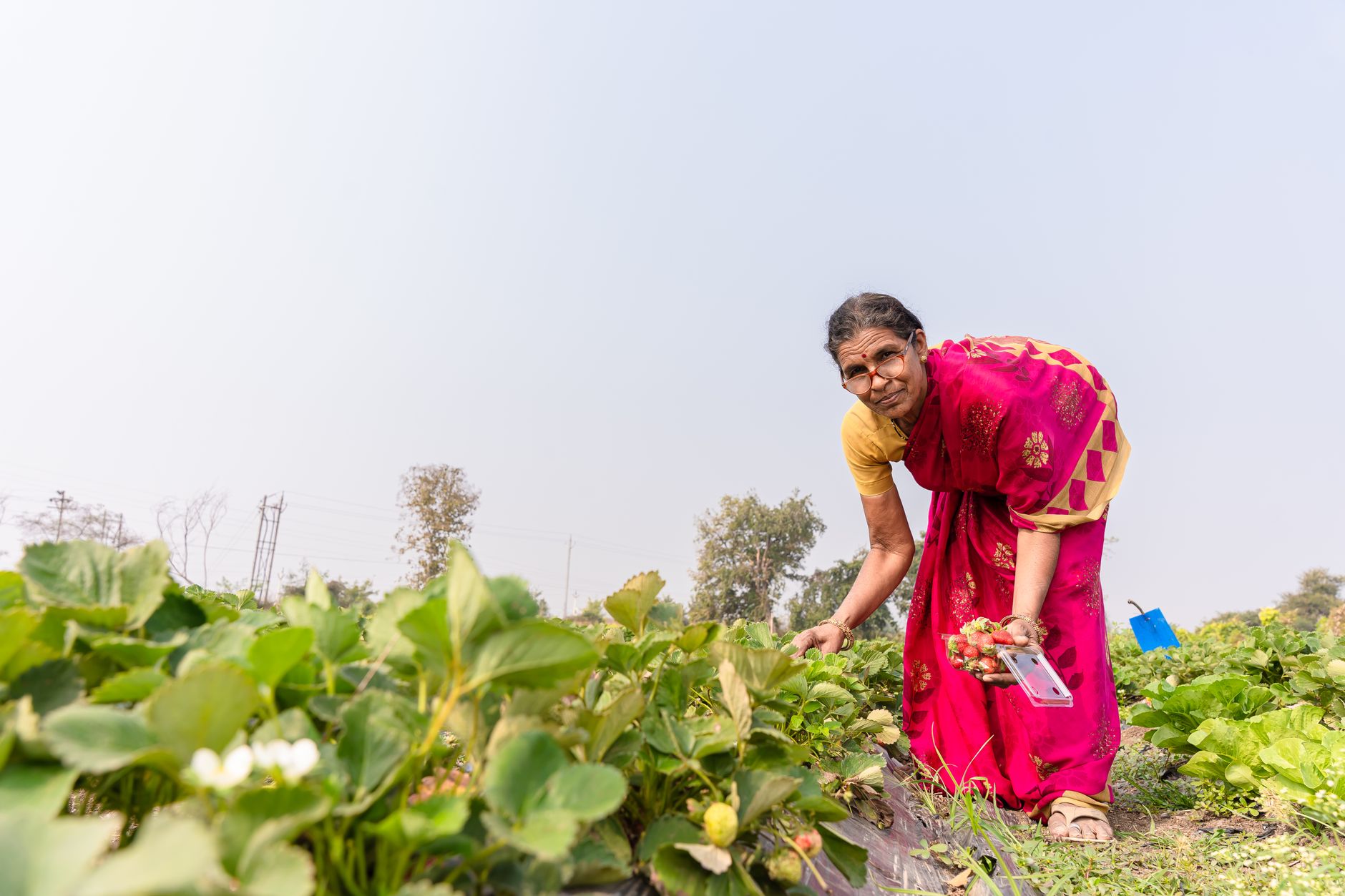
Agriculture remains vital to Guyana's economy and food security, despite the recent oil boom. The country's agricultural sector faces challenges related to productivity, climate resilience, and value addition.
India's agricultural transformation over the past decades, particularly the Green Revolution and subsequent developments in agricultural technology, provides relevant expertise. Areas of potential collaboration include:
- Introducing high-yielding crop varieties suited to tropical climates
- Implementing precision farming techniques and irrigation management
- Establishing food processing and storage infrastructure
- Training in organic farming and sustainable agricultural practices
- Developing agricultural extension services and farmer education programs
Indian agricultural research institutions and universities could partner with Guyanese counterparts to adapt proven technologies to local conditions, considering Guyana's unique geography and climate patterns.
Implementation and Way Forward
The success of this partnership will depend on structured cooperation mechanisms, including government-to-government agreements, institutional partnerships, and capacity-building programs. India's development cooperation initiatives, such as the Indian Technical and Economic Cooperation Programme, provide established frameworks for such collaboration.
Regular exchange programs, joint research initiatives, and technology transfer agreements will be essential components. The partnership could also involve private sector participation, particularly from Indian companies with expertise in these sectors, creating business opportunities alongside developmental goals.
This collaboration represents a model of South-South cooperation, where developing nations share knowledge and expertise based on mutual challenges and practical experience rather than traditional donor-recipient relationships.
This article is for general informational purposes only and does not constitute professional advice. Readers should consult relevant experts and official sources for specific guidance on international development partnerships and sector-specific technical matters.