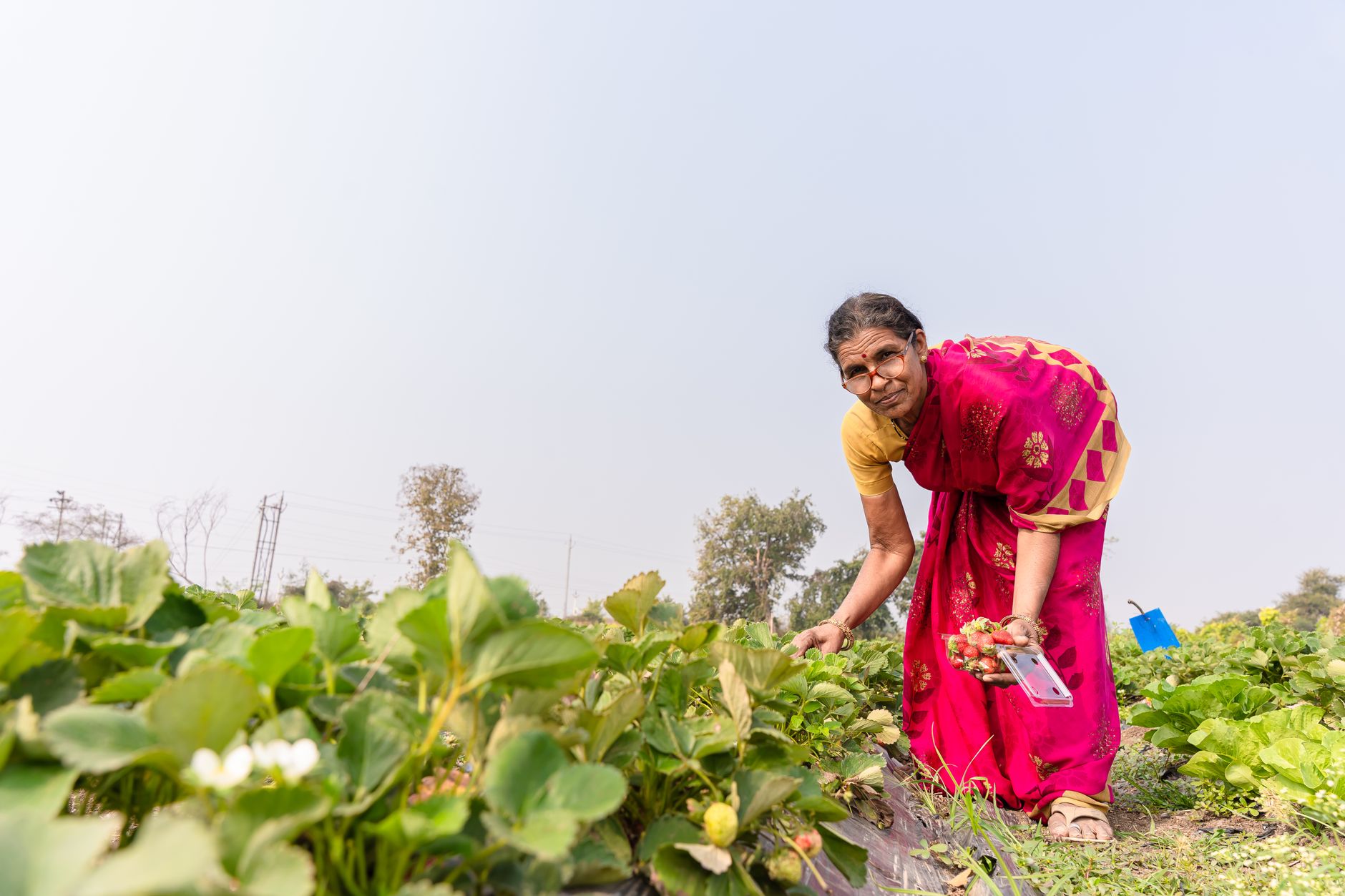
India's demographic landscape is shifting rapidly, with the number of citizens aged 60 and above expected to reach 194 million by 2031. This aging population faces unique healthcare challenges, making health insurance not just a safety net but a financial necessity. Yet, the uptake and effectiveness of various schemes among older adults reveal significant disparities in coverage, affordability, and actual financial protection.
The Healthcare Cost Challenge for Seniors
Medical expenses represent one of the largest financial risks for Indian families, particularly those with elderly members. Chronic conditions like diabetes, hypertension, and heart disease become increasingly common with age, requiring regular medication, periodic tests, and occasional hospitalizations. Without adequate insurance coverage, these costs can quickly deplete retirement savings or push families into debt.
Studies consistently show that out-of-pocket health expenditures remain alarmingly high in India, with households spending upward of 60-70 percent of total health costs from their own pockets. For seniors on fixed incomes or dependent on family support, this burden becomes especially acute.
Government-Sponsored Schemes: Ayushman Bharat and State Programs
The Ayushman Bharat Pradhan Mantri Jan Arogya Yojana (AB-PMJAY), launched in 2018, represents India's most ambitious public health insurance initiative. It provides coverage of up to five lakh rupees per family per year for secondary and tertiary hospitalization to approximately 50 crore beneficiaries from poor and vulnerable households.
For eligible senior citizens, AB-PMJAY offers several advantages:
- No age-related premium increases or exclusions
- Coverage for pre-existing conditions from day one
- Cashless treatment at empaneled hospitals
- Portability across states
However, the scheme's limitations include its means-tested eligibility criteria, which excludes middle and upper-income seniors, and variable implementation across states. Some seniors also report difficulties in finding quality empaneled hospitals in their vicinity.
Several states run their own health insurance schemes that complement or exist alongside Ayushman Bharat. Programs like Rajasthan's Bhamashah Swasthya Bima Yojana or Tamil Nadu's Chief Minister's Comprehensive Health Insurance Scheme offer additional coverage amounts or benefits specific to state residents.
Private Health Insurance: Coverage and Gaps
Private health insurers offer dedicated senior citizen plans, typically available for individuals aged 60 and above, though some extend coverage up to 80 or even 90 years. These plans generally provide:
- Higher sum insured options (10 lakh rupees and above)
- Coverage for pre-existing diseases after waiting periods (usually 2-4 years)
- Optional riders for critical illness or daily hospital cash
- Wider hospital network choices
The primary deterrents for seniors considering private insurance include high premium costs that increase with age, mandatory medical screening requirements, and numerous exclusions. Many policies also impose sub-limits on room rent, specific procedures, or disease categories, which can leave policyholders with unexpected bills.
The Coverage Gap in Practice
Despite the expansion of insurance options, actual financial protection remains incomplete for many older adults. A significant portion of seniors remains uninsured, particularly in rural areas where awareness is lower and access to both public and private schemes is limited.
Even among the insured, coverage gaps persist. Mental health conditions, long-term nursing care, and certain chronic disease management expenses often fall outside policy boundaries. Additionally, the complexity of policy terms and claim procedures can be overwhelming for elderly policyholders, sometimes resulting in claim rejections or delays.
Making Informed Choices
For older adults and their families, selecting appropriate health insurance requires careful consideration of several factors:
- Assess current health status and likely future needs
- Compare sum insured amounts against typical hospitalization costs in your area
- Understand waiting periods, particularly for pre-existing conditions
- Check the network hospital list for convenient access
- Review co-payment clauses and sub-limits carefully
- Consider supplementary coverage if relying solely on government schemes
The ideal approach often combines government scheme benefits (where eligible) with appropriate private coverage to fill gaps, creating a comprehensive safety net.
The Path Forward
As India's population continues to age, the healthcare financing ecosystem must evolve. Greater transparency in policy terms, simplified claim processes, and innovations like usage-based pricing or wellness-linked incentives could improve both coverage and affordability for seniors.
This article provides general information about health insurance options and should not be considered as personalized financial or medical advice. Readers should consult qualified insurance advisors and healthcare professionals to make decisions appropriate to their individual circumstances.