India has reached a major public health milestone with the approval of QDENGA, the country's first dengue vaccine, designed for use in individuals aged 4 to 60 years. This development comes as dengue cases continue to rise across the nation, particularly during monsoon seasons when mosquito populations surge.
Understanding Dengue and Its Impact
Dengue fever is a mosquito-borne viral infection transmitted primarily by Aedes aegypti mosquitoes. The disease presents symptoms ranging from mild fever to severe complications like dengue hemorrhagic fever and dengue shock syndrome, which can be fatal if not treated promptly.
India reports hundreds of thousands of dengue cases annually, though experts believe the actual numbers are significantly higher due to underreporting and misdiagnosis. The disease affects both urban and rural populations, placing substantial burden on healthcare systems and causing economic losses through missed workdays and medical expenses.
About the QDENGA Vaccine
QDENGA is a live-attenuated vaccine that has been developed to provide protection against all four dengue virus serotypes. Unlike some vaccines that require prior infection for safety, QDENGA can be administered to individuals regardless of whether they have previously contracted dengue.
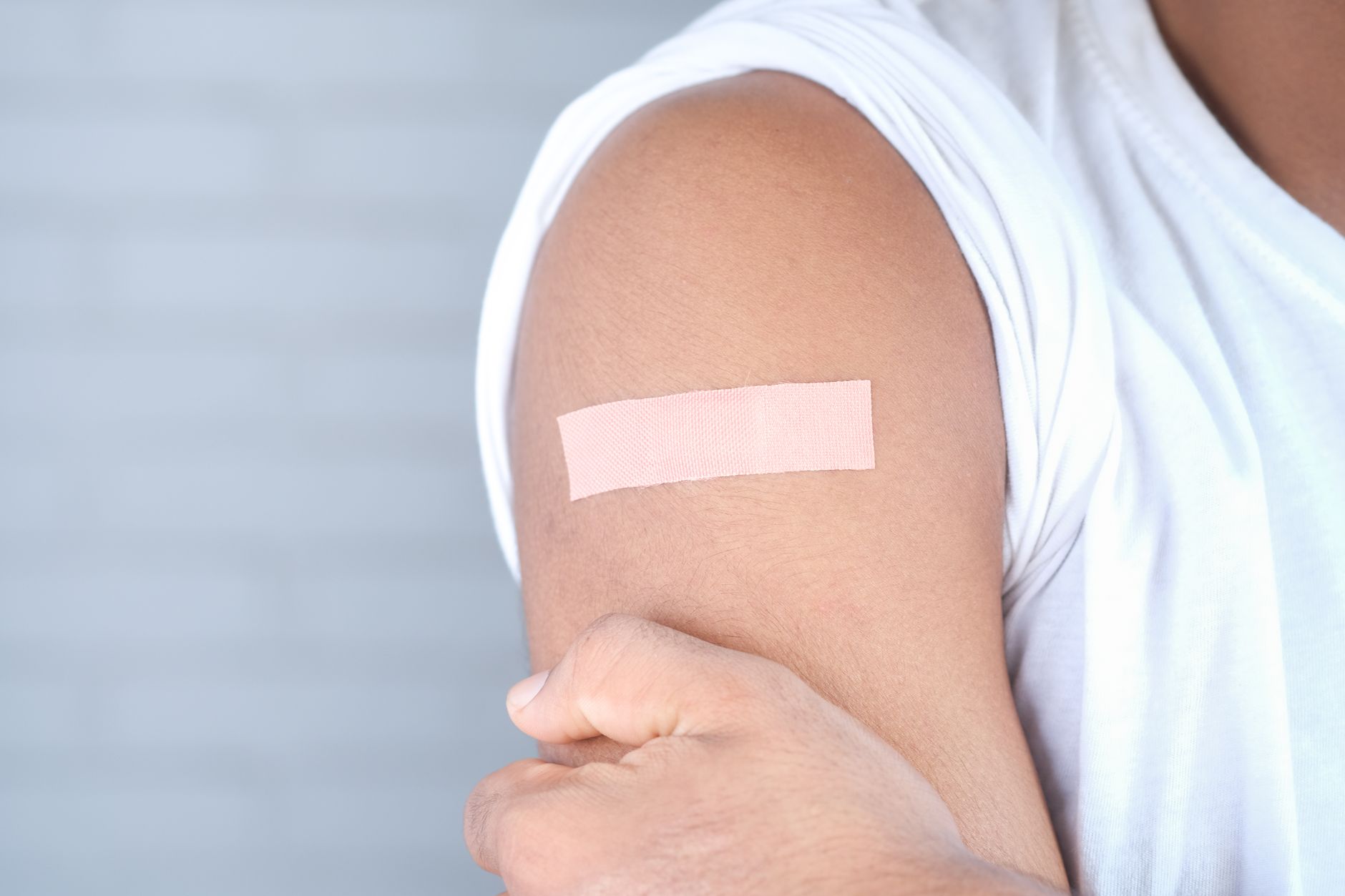
The vaccine is administered in a two-dose schedule, with the second dose given three months after the first. Clinical trials have demonstrated its effectiveness in reducing dengue cases and hospitalizations, offering hope for better disease management in endemic regions.
Who Should Consider Getting Vaccinated
The approved age range of 4 to 60 years covers the population segments most affected by dengue in India. This includes:
- School-going children who are exposed to mosquitoes in educational settings
- Working adults in urban areas with high mosquito prevalence
- Residents of dengue-endemic zones experiencing repeated outbreaks
- Individuals with occupations requiring outdoor work
Healthcare providers will likely prioritize vaccination in high-risk areas where dengue transmission is most intense, particularly during pre-monsoon periods when preventive measures can have maximum impact.
What This Means for India's Dengue Battle
The vaccine approval represents a significant addition to India's dengue control toolkit, which has traditionally relied on mosquito control measures and public awareness campaigns. However, experts emphasize that vaccination should complement rather than replace existing prevention strategies.
Vector control through elimination of mosquito breeding sites, use of mosquito nets and repellents, and community sanitation efforts remain critical. The integrated approach combining vaccination with traditional control measures offers the best chance of reducing dengue burden across the country.
Availability and Accessibility Questions
Following regulatory approval, the next critical steps involve manufacturing scale-up, pricing determination, and distribution planning. Key questions that will determine the vaccine's impact include:
- Whether it will be included in the national immunization program
- Pricing for private market availability
- Insurance coverage provisions
- Distribution priorities for high-burden states
Government health authorities will need to develop clear guidelines for healthcare providers and the public regarding who should receive the vaccine and when.
Global Context and Future Outlook
India joins several other countries that have approved dengue vaccines as part of their disease prevention strategies. The approval reflects growing recognition that dengue poses a serious public health threat requiring multi-pronged interventions.
As climate change potentially expands mosquito habitats and dengue-endemic zones, having effective vaccines becomes increasingly important. The approval of QDENGA may encourage further research and development in this space, potentially leading to improved second-generation vaccines in the future.
For now, the approval marks a positive step forward in protecting vulnerable populations from a disease that has long plagued the Indian subcontinent. Public health officials are optimistic that when combined with sustained vector control efforts and community participation, the vaccine can contribute meaningfully to reducing dengue-related illness and death.
This article provides general information about dengue vaccination and should not be considered medical advice. Individuals interested in dengue vaccination should consult qualified healthcare providers to determine if the vaccine is appropriate for their specific circumstances, particularly those with underlying health conditions or compromised immune systems.