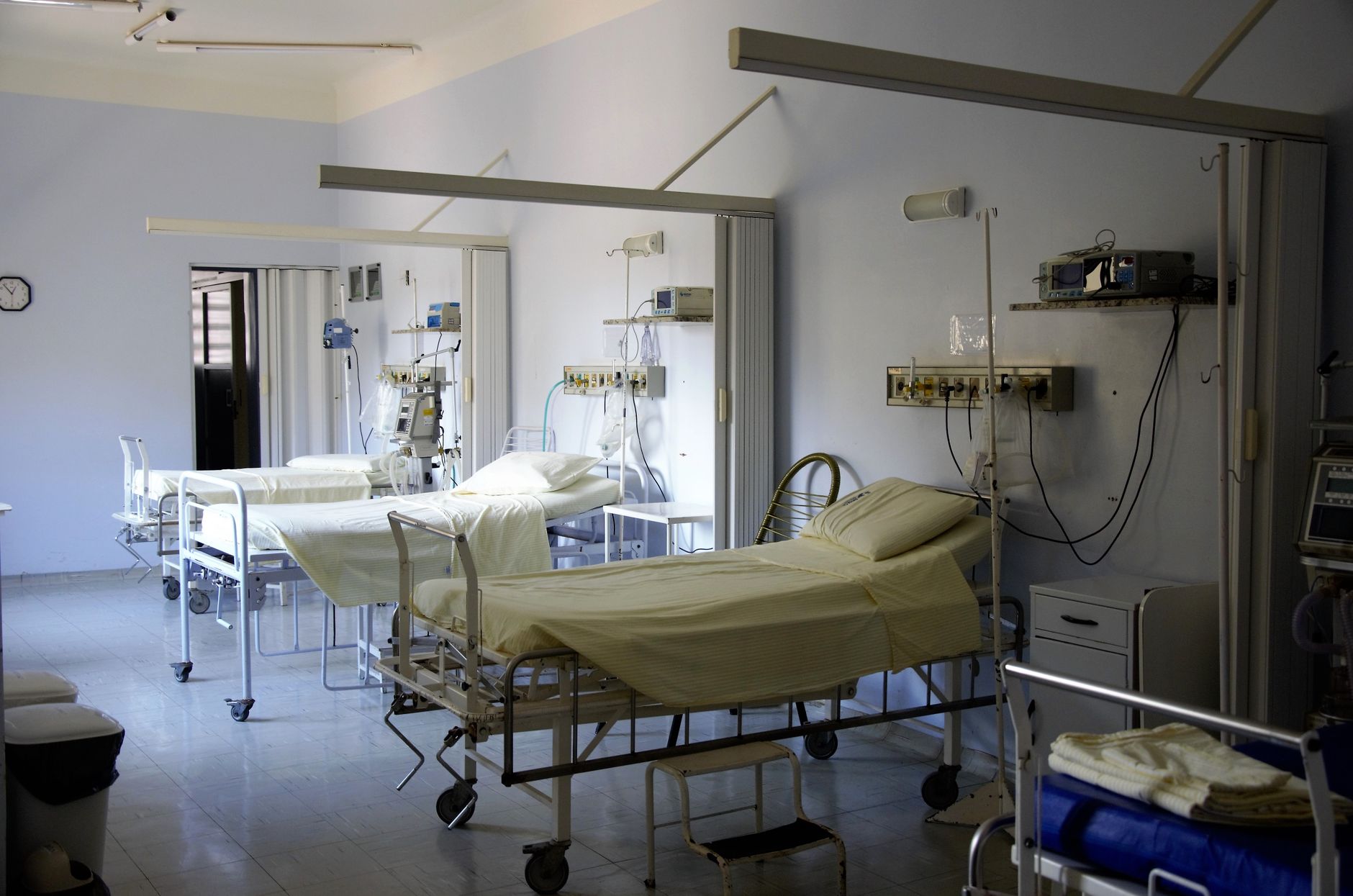
The absence of a centralized database to track hospital-acquired infections in India has emerged as a significant gap in the country's healthcare infrastructure. This revelation by Union Health Minister J.P. Nadda in Parliament highlights a critical blind spot in monitoring patient safety and controlling disease transmission within medical facilities.
Understanding Hospital-Acquired Infections
Hospital-acquired infections, also known as nosocomial infections or healthcare-associated infections (HAIs), are infections that patients develop while receiving treatment for other conditions in a healthcare facility. These infections are not present or incubating at the time of admission and typically manifest 48 hours or more after hospitalization.
Common types of hospital-acquired infections include surgical site infections, urinary tract infections from catheter use, bloodstream infections from intravenous lines, and pneumonia from ventilator use. According to global estimates, between 5 to 10 percent of hospitalized patients develop at least one healthcare-associated infection during their stay.
Why Tracking Matters
A centralized database for monitoring hospital-acquired infections serves multiple critical functions in a healthcare system. Such a system enables health authorities to identify infection patterns, track antibiotic resistance trends, and implement targeted interventions to reduce infection rates.
Without comprehensive data collection, hospitals operate in information silos, making it difficult to benchmark performance, share best practices, or identify emerging threats to patient safety. This lack of coordinated surveillance also hinders research efforts and policy formulation aimed at improving infection control protocols.
The issue becomes particularly concerning in the context of antimicrobial resistance, which is a growing global health threat. Hospital-acquired infections often involve multidrug-resistant organisms that are more difficult and expensive to treat. Understanding the prevalence and patterns of these infections is essential for developing effective antibiotic stewardship programs.
Global Standards and India's Position
Many developed countries maintain robust surveillance systems for hospital-acquired infections. The United States operates the National Healthcare Safety Network, which collects and analyzes infection data from thousands of healthcare facilities. Similarly, European countries participate in coordinated surveillance through the European Centre for Disease Prevention and Control.
These systems enable healthcare authorities to set benchmarks, identify outliers, and drive quality improvement initiatives across their healthcare networks. They also provide transparency to patients and help hospitals demonstrate their commitment to safety standards.
India's lack of such a system places it at a disadvantage in managing healthcare quality and patient safety at scale. While individual hospitals, particularly private and corporate chains, may maintain internal infection control systems, the absence of national-level data collection prevents a comprehensive understanding of the problem's magnitude.
Current Infection Control Measures
Despite the lack of a central database, India does have some infection control frameworks in place. The Indian Council of Medical Research has issued guidelines for infection control practices, and the National Accreditation Board for Hospitals and Healthcare Providers includes infection control as part of its accreditation standards.
Some states and institutions have also taken initiatives to track infections locally. However, these efforts remain fragmented and do not feed into a unified national system that could provide valuable insights for policymakers and healthcare administrators.
The Way Forward
Establishing a centralized database for hospital-acquired infections requires significant investment in infrastructure, training, and technology. Healthcare facilities would need standardized protocols for identifying, documenting, and reporting infections. Digital health records and interoperable systems would facilitate data collection and analysis.
International experience suggests that such systems, while challenging to implement, yield substantial benefits. Hospitals participating in surveillance networks typically see reductions in infection rates through improved awareness, benchmarking, and implementation of evidence-based prevention strategies.
For patients, a transparent system for tracking hospital-acquired infections would provide valuable information when choosing healthcare facilities. It would also create accountability mechanisms that encourage hospitals to prioritize infection prevention and control.
Patient Protection Strategies
While systemic improvements are developed, patients and their families can take several steps to minimize infection risks. These include ensuring healthcare providers follow hand hygiene protocols, understanding the purpose and duration of invasive devices like catheters, asking about infection prevention measures, and advocating for clean environments.
Healthcare facilities, on their part, can implement robust infection control committees, regular staff training, antibiotic stewardship programs, and environmental cleaning protocols to reduce infection transmission.
The acknowledgment of this data gap represents an important first step toward addressing a critical healthcare quality issue. Building a comprehensive surveillance system will require coordinated efforts from central and state governments, healthcare providers, and public health professionals to protect patient safety across India's diverse healthcare landscape.