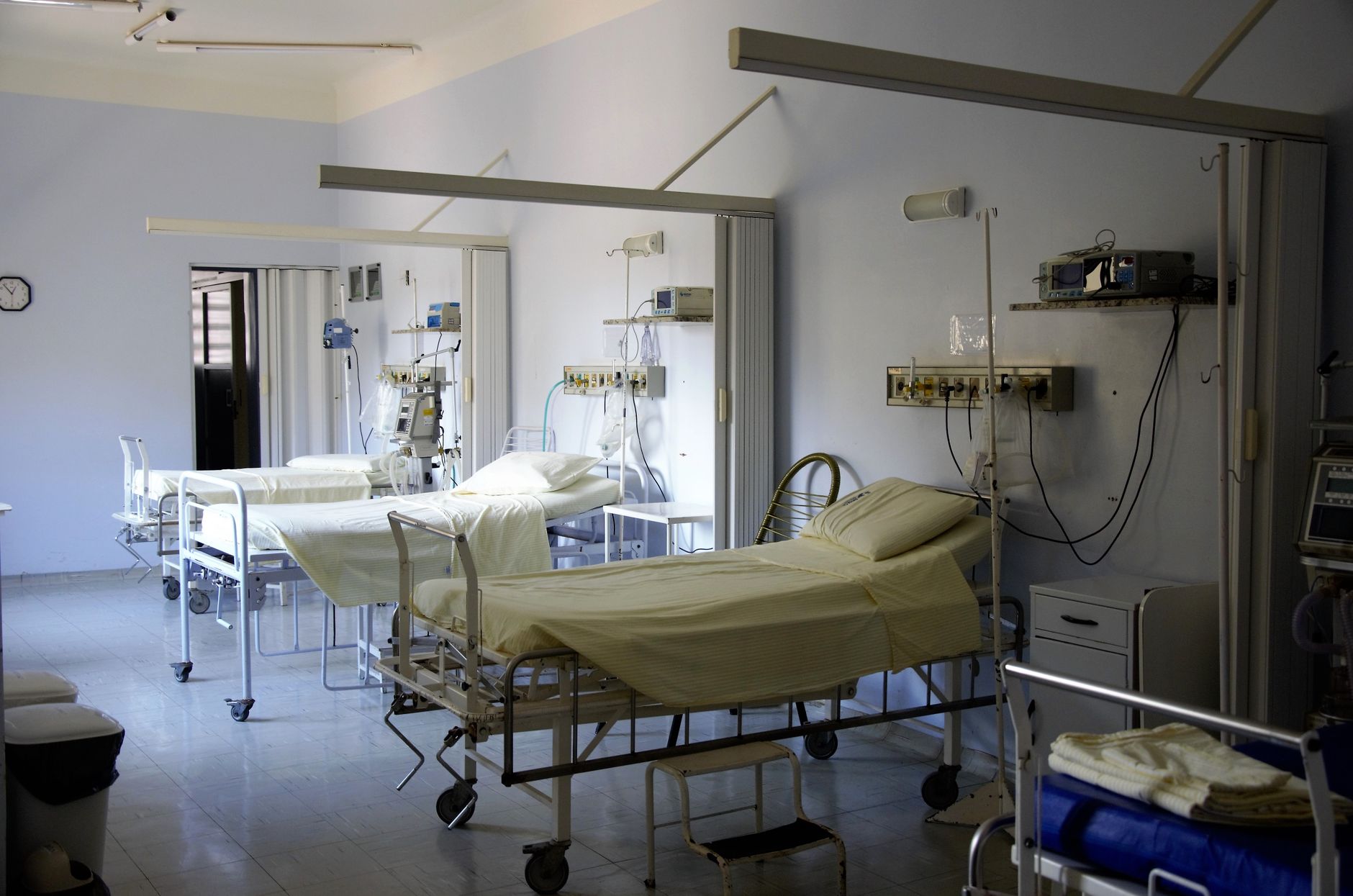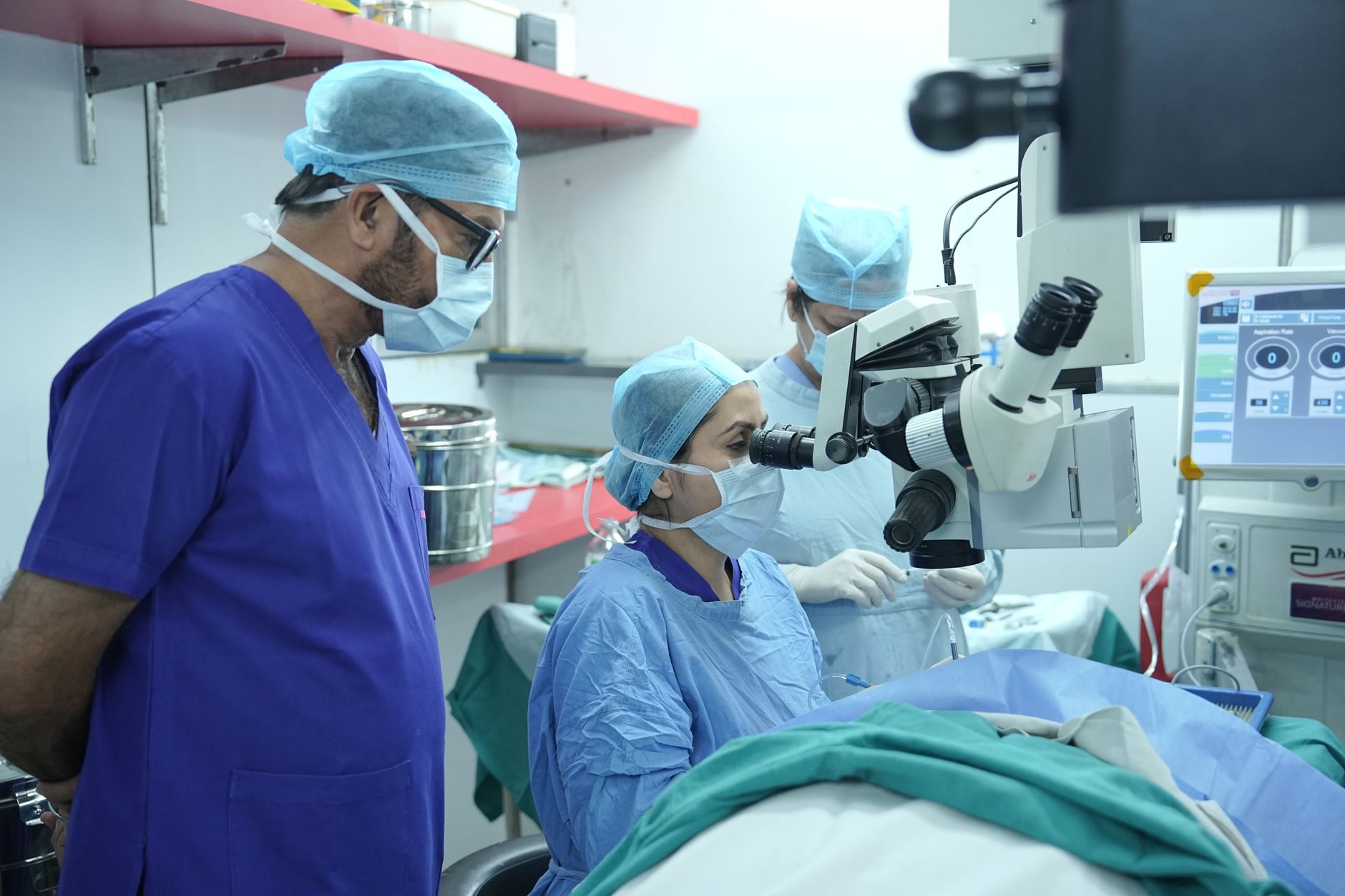
India and Vietnam are working to strengthen their health sector partnership, building on decades of diplomatic ties and shared development goals. This push for accelerated cooperation comes at a time when both countries are investing heavily in healthcare infrastructure and facing similar public health challenges in the post-pandemic era.
Historical Context of India-Vietnam Relations
India and Vietnam have maintained strong bilateral relations since the establishment of diplomatic ties in 1972. The relationship has evolved from political cooperation during the Cold War era to comprehensive strategic partnership status granted in 2016. Healthcare has increasingly become a focal point of this partnership, with both nations recognizing mutual benefits in sharing expertise, technology, and resources.
The health sector collaboration between these two countries is particularly significant given their comparable demographics and development trajectories. Both nations have large, young populations and are experiencing rapid economic growth while simultaneously addressing healthcare access challenges in rural areas.
Key Areas of Health Cooperation
The acceleration of health cooperation between India and Vietnam encompasses several critical domains. Pharmaceutical collaboration stands at the forefront, with India being one of the world's largest producers of generic medicines and vaccines. Vietnam has been a significant importer of Indian pharmaceuticals, and deeper cooperation could ensure better access to affordable medicines for Vietnamese citizens.
Traditional medicine represents another promising area of collaboration. India's Ayurveda system and Vietnam's traditional medicine practices share philosophical similarities, both emphasizing holistic approaches to health. Knowledge exchange in this domain could lead to innovative integrative healthcare models.
Medical education and capacity building form essential pillars of the partnership. Indian medical institutions have trained numerous Vietnamese healthcare professionals over the years. Expanding scholarship programs and establishing joint training initiatives could address Vietnam's healthcare workforce needs while strengthening people-to-people ties.
Benefits for Both Nations
For India, strengthening health cooperation with Vietnam opens opportunities to expand its pharmaceutical exports and medical tourism sector. Vietnamese patients seeking affordable, quality medical care have increasingly looked to Indian hospitals, particularly for specialized treatments like cardiac surgery, oncology, and organ transplants.
Vietnam benefits from India's expertise in managing large-scale public health programs. India's experience with immunization campaigns, tuberculosis control, and digital health initiatives like the Ayushman Bharat program offers valuable lessons for Vietnam's healthcare system modernization efforts.
Technology and Innovation Sharing
The digital health revolution presents new avenues for collaboration. India's telemedicine platforms and health information systems could be adapted for Vietnam's needs, particularly in reaching remote and mountainous regions. Joint research and development in medical technology could lead to cost-effective healthcare solutions suitable for developing countries across Asia.
Vietnam's growing pharmaceutical manufacturing sector, combined with India's raw material production capabilities and formulation expertise, could create complementary supply chains. This collaboration could enhance healthcare security for both nations and the broader Southeast Asian region.
Regional Health Security
In an era of emerging infectious diseases and pandemic preparedness, India and Vietnam share common interests in strengthening regional health security. Both countries are members of various ASEAN-related forums where India participates as a dialogue partner. Enhanced bilateral cooperation can contribute to regional disease surveillance systems, emergency response mechanisms, and vaccine manufacturing capacity.
The COVID-19 pandemic highlighted the importance of self-reliance in healthcare. India's vaccine diplomacy, including supplying vaccines to Vietnam, demonstrated the potential for deeper collaboration in times of crisis. Building on this foundation could create more resilient health systems capable of responding to future challenges.
Implementation Challenges
Despite the promising prospects, several challenges must be addressed to fully realize the potential of India-Vietnam health cooperation. Regulatory harmonization for pharmaceutical products, mutual recognition of medical qualifications, and standardization of treatment protocols require careful negotiation and policy alignment.
Language barriers and differences in healthcare system structures also present practical challenges that need systematic solutions through sustained dialogue and institutional partnerships.
Future Outlook
The call for accelerating health cooperation signals both countries' commitment to translating bilateral goodwill into concrete outcomes. Establishing joint working groups, regular ministerial dialogues, and institutional partnerships between hospitals and research centers will be crucial for implementation.
As both India and Vietnam aspire to achieve universal health coverage and strengthen their healthcare systems, collaborative approaches can generate mutual benefits while contributing to broader regional health goals in the Indo-Pacific region.