In a compelling example of peacekeeping that extends far beyond traditional security operations, Indian veterinary personnel serving with the United Nations Mission in South Sudan (UNMISS) are making transformative impacts on livestock health and rural economies in Jonglei State, one of the country's most vulnerable regions.
The Critical Role of Livestock in Rural South Sudan
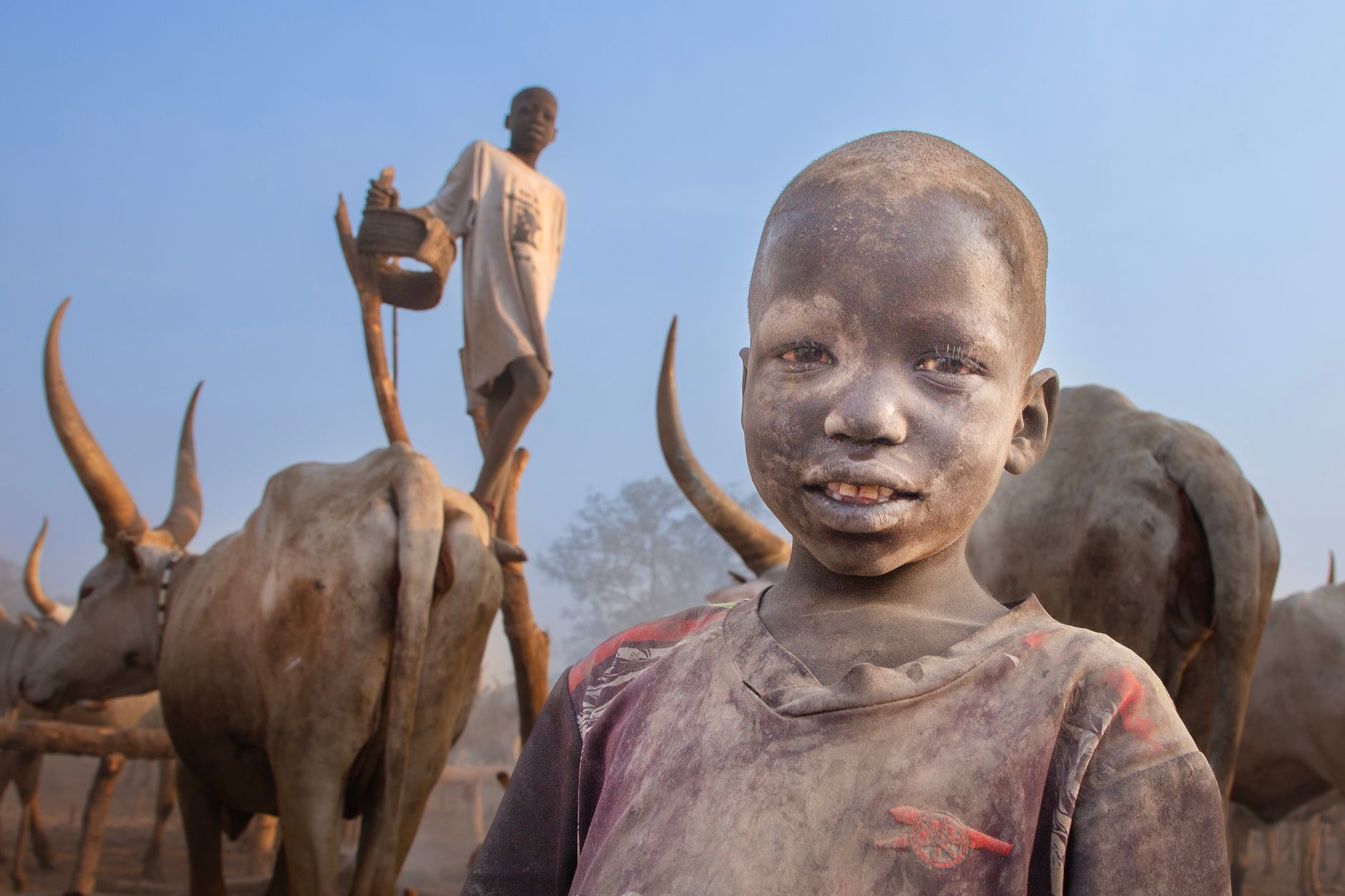
For communities in Jonglei State, livestock represents far more than a source of food. Cattle, goats, and sheep constitute the primary form of wealth, serve as insurance against hardship, facilitate social transactions including marriage payments, and provide the foundation for food security through milk, meat, and trade opportunities. When disease strikes herds, entire communities face economic devastation that can take years to overcome.
South Sudan's livestock sector has faced enormous challenges since the country's independence in 2011 and subsequent civil conflict. Limited veterinary infrastructure, shortage of trained professionals, and ongoing insecurity have left rural communities with minimal access to animal healthcare services. In this context, the veterinary expertise brought by Indian peacekeepers fills a critical gap.
Indian Veterinary Expertise on Peacekeeping Missions
India has a distinguished history of contributing veterinary units to UN peacekeeping operations, leveraging the country's substantial pool of trained veterinary professionals. Indian peacekeepers deployed with UNMISS include specialised veterinary teams equipped to diagnose and treat a wide range of animal diseases, conduct vaccination campaigns, and provide guidance on animal husbandry practices.
These teams typically operate mobile veterinary clinics that travel to remote villages, bringing services directly to communities that would otherwise have no access to animal healthcare. The veterinary personnel treat common livestock diseases, perform surgical procedures when necessary, and conduct preventive health campaigns aimed at controlling disease outbreaks before they decimate herds.
Impact on Community Livelihoods
The work of Indian veterinary peacekeepers generates multiple layers of positive impact. Most immediately, treating sick animals and preventing disease outbreaks protects families from the economic shock of losing their livestock assets. A single cow can represent months or years of accumulated wealth for a rural household, making its loss potentially catastrophic.
Beyond individual animal treatment, vaccination campaigns help establish herd immunity against common diseases that periodically sweep through the region. This preventive approach creates more stable conditions for livestock-based livelihoods and reduces the vulnerability of communities to food insecurity.
Building Local Capacity
An important dimension of the Indian peacekeepers' work involves knowledge transfer and capacity building. By working alongside local animal health workers and community members, the veterinary teams share expertise that outlasts their deployment period. Training local personnel in basic animal healthcare, disease recognition, and preventive practices helps establish foundations for longer-term improvements in livestock management.
The Broader Peacekeeping Philosophy
This veterinary work exemplifies modern peacekeeping's evolution beyond purely military functions. Today's peacekeeping missions increasingly recognise that sustainable peace requires addressing the economic and social foundations of community stability. When families can protect their livestock investments and maintain their livelihoods, they have stronger stakes in peace and greater resilience against shocks that might otherwise fuel conflict.
The Indian approach also demonstrates how peacekeeping contributions align with development goals. Improving livestock health supports multiple Sustainable Development Goals, including ending poverty, achieving food security, promoting economic growth, and reducing inequalities.
Challenges and Ongoing Needs
Despite these positive impacts, significant challenges remain. Jonglei State continues to face insecurity, limiting access to some areas. The scale of need vastly exceeds available resources, meaning many communities still lack consistent access to veterinary services. Additionally, addressing livestock health sustainably requires broader investments in veterinary infrastructure, supply chains for medicines and vaccines, and training programmes for local professionals.
The work of Indian peacekeepers provides essential services and demonstrates what is possible, but achieving lasting transformation in livestock health across South Sudan will require sustained commitment from the government, international partners, and development organisations well beyond the peacekeeping mandate.
Nonetheless, the current efforts show how military peacekeeping forces, when equipped with appropriate expertise, can contribute meaningfully to community resilience and economic recovery in post-conflict settings, one healthy animal at a time.