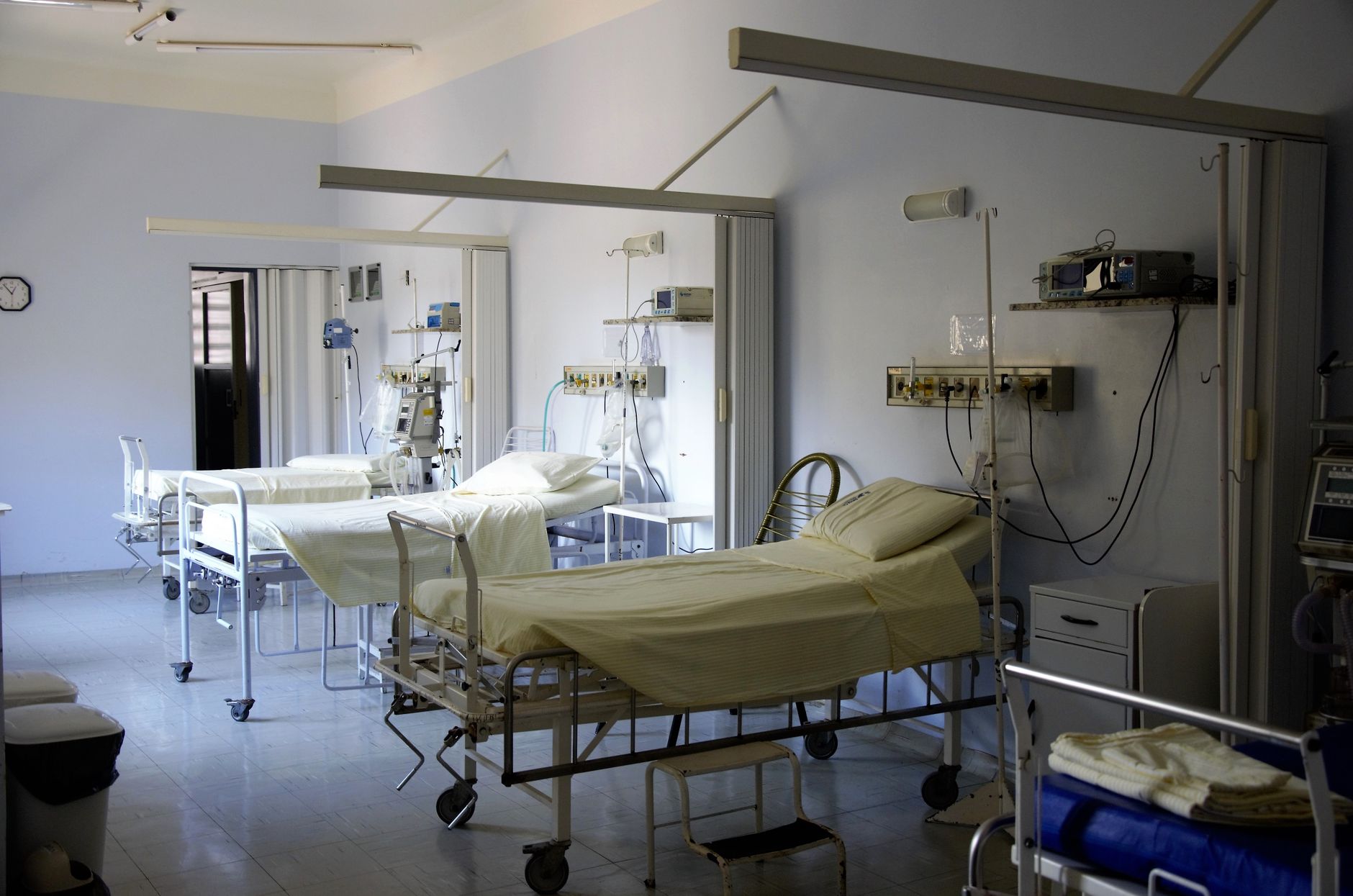
India's healthcare system serves over 1.4 billion people, making it one of the most challenging public health environments globally. The country operates a mixed healthcare model combining government-funded public health services with a thriving private sector, creating both opportunities and disparities in access to medical care.
The Dual Healthcare Structure
India's healthcare delivery operates on two parallel tracks. The public system, funded by central and state governments, aims to provide affordable or free healthcare through a network of primary health centers, community health centers, and government hospitals. Meanwhile, the private sector accounts for nearly 70 percent of healthcare spending, offering advanced medical facilities predominantly in urban areas.
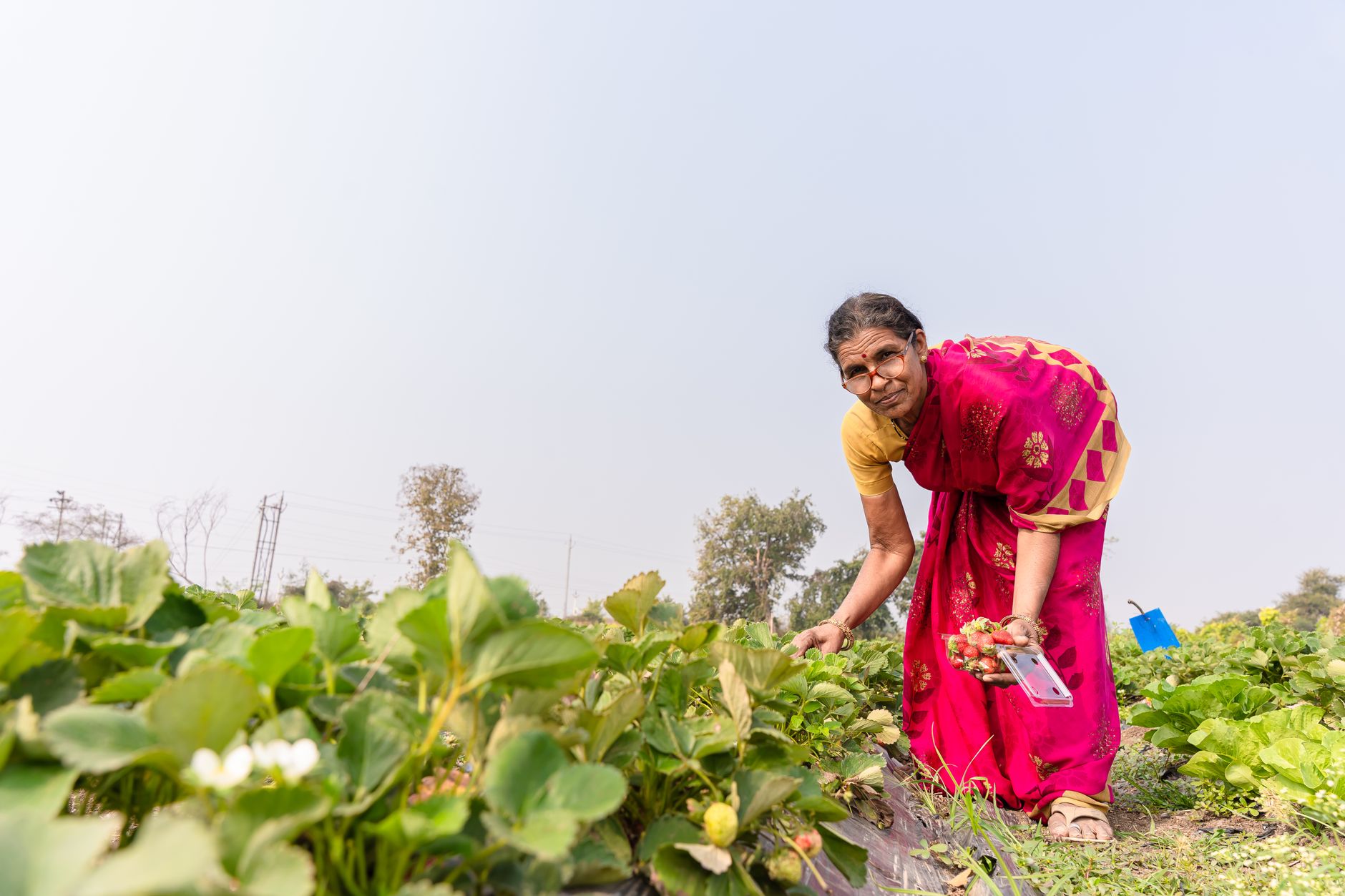
This dual structure creates significant inequities. Urban populations generally enjoy better access to qualified doctors, modern equipment, and specialized treatments, while rural areas—home to approximately 65 percent of Indians—struggle with inadequate infrastructure, shortage of medical personnel, and limited diagnostic facilities.
Key Healthcare Challenges
Several systemic issues continue to plague India's healthcare landscape:
- High out-of-pocket expenditure, with families spending over 60 percent of healthcare costs directly
- Insufficient number of doctors and nurses per capita compared to WHO recommendations
- Geographic mismatch between medical professionals and patient populations
- Widespread prevalence of communicable diseases alongside rising non-communicable diseases
- Inadequate sanitation and clean water access in many regions
- Limited health insurance penetration, particularly in rural areas
The country faces a double disease burden. While infectious diseases like tuberculosis, malaria, and dengue remain persistent threats, India simultaneously battles a surge in lifestyle-related conditions including diabetes, cardiovascular disease, and obesity. This dual challenge strains already limited healthcare resources.
Population Health Indicators
India has made notable progress in several health metrics over recent decades. Life expectancy has increased from around 60 years in 1990 to over 70 years currently. Infant mortality rates have declined significantly, though they remain higher than many developing nations. Maternal mortality has also decreased but continues to be a concern, particularly in less developed states.
Vaccination coverage has expanded substantially through government programs, protecting millions of children against preventable diseases. The country successfully eradicated polio and has made strides in controlling other vaccine-preventable illnesses.
However, malnutrition remains a stubborn problem. A significant percentage of children under five suffer from stunting and wasting, indicating chronic and acute malnutrition respectively. Anemia affects a large proportion of women and children, impacting overall health outcomes and productivity.
Recent Healthcare Reforms
The Indian government has launched several ambitious initiatives to strengthen healthcare access:
The Ayushman Bharat scheme, launched in 2018, represents one of the world's largest government-funded healthcare programs. It provides health insurance coverage to approximately 500 million poor and vulnerable individuals, offering cashless treatment at empaneled hospitals.
The National Health Mission focuses on strengthening primary healthcare infrastructure, particularly in rural and underserved areas. It emphasizes maternal and child health, immunization, and disease control programs.
Digital Health Revolution
India has embraced digital technology to overcome geographic and infrastructural barriers. The Co-WIN platform, developed during the COVID-19 pandemic, successfully facilitated one of the world's largest vaccination drives. Telemedicine services have expanded rapidly, connecting patients in remote areas with specialist doctors in urban centers.
The Ayushman Bharat Digital Mission aims to create a comprehensive digital health ecosystem, including unique health IDs for citizens, digitized health records, and a registry of healthcare providers and facilities.
Traditional Medicine and Wellness
India's healthcare landscape uniquely incorporates traditional medicine systems like Ayurveda, Yoga, Unani, Siddha, and Homeopathy (AYUSH). The government actively promotes these systems alongside modern medicine, recognizing their cultural significance and potential complementary role in public health.
Looking Forward
India's healthcare journey reflects both significant achievements and persistent challenges. While the country has developed world-class medical institutions and a robust pharmaceutical industry—earning the title "pharmacy of the world"—ensuring equitable access to quality healthcare for all citizens remains an ongoing priority. Continued investment in infrastructure, human resources, and preventive healthcare will be crucial for achieving universal health coverage and improving population-level health outcomes.