India has witnessed increasingly severe heatwaves in recent years, with temperatures regularly exceeding 45°C in many regions during summer months. Despite the escalating threat, the country's response to extreme heat events remains largely reactive rather than proactive, raising concerns among public health professionals about the absence of comprehensive health-focused strategies.
The Growing Heat Crisis
Climate change has made extreme heat one of India's most pressing public health challenges. The summer of 2023 saw record-breaking temperatures across multiple states, with some areas experiencing prolonged heat stress for weeks. Heat-related illnesses and deaths have become increasingly common, particularly affecting vulnerable populations including outdoor workers, the elderly, children, and those with pre-existing health conditions.
The impact extends beyond direct heat-related mortality. Extreme temperatures affect productivity, exacerbate chronic diseases, increase hospital admissions, and strain healthcare infrastructure. Studies indicate that heat stress contributes to cardiovascular problems, kidney disease, and adverse pregnancy outcomes, yet these broader health implications rarely feature prominently in national heat response plans.
Current Response Framework
India's existing heat action plans primarily focus on immediate crisis management. These typically include:
- Issuing heat alerts and warnings through weather departments
- Establishing temporary cooling centres during peak summer
- Advising people to stay indoors during afternoon hours
- Distributing water and ORS packets during severe heatwaves
- Emergency medical response protocols for heat-related cases
While these measures provide short-term relief, they fail to address the underlying public health architecture needed for long-term resilience against rising temperatures.
Missing Public Health Elements
Public health experts point to several critical gaps in India's heat response strategy. First, there is inadequate surveillance and data collection on heat-related morbidity and mortality. Without comprehensive health data, it becomes difficult to understand the true burden of heat on different population segments or to design targeted interventions.
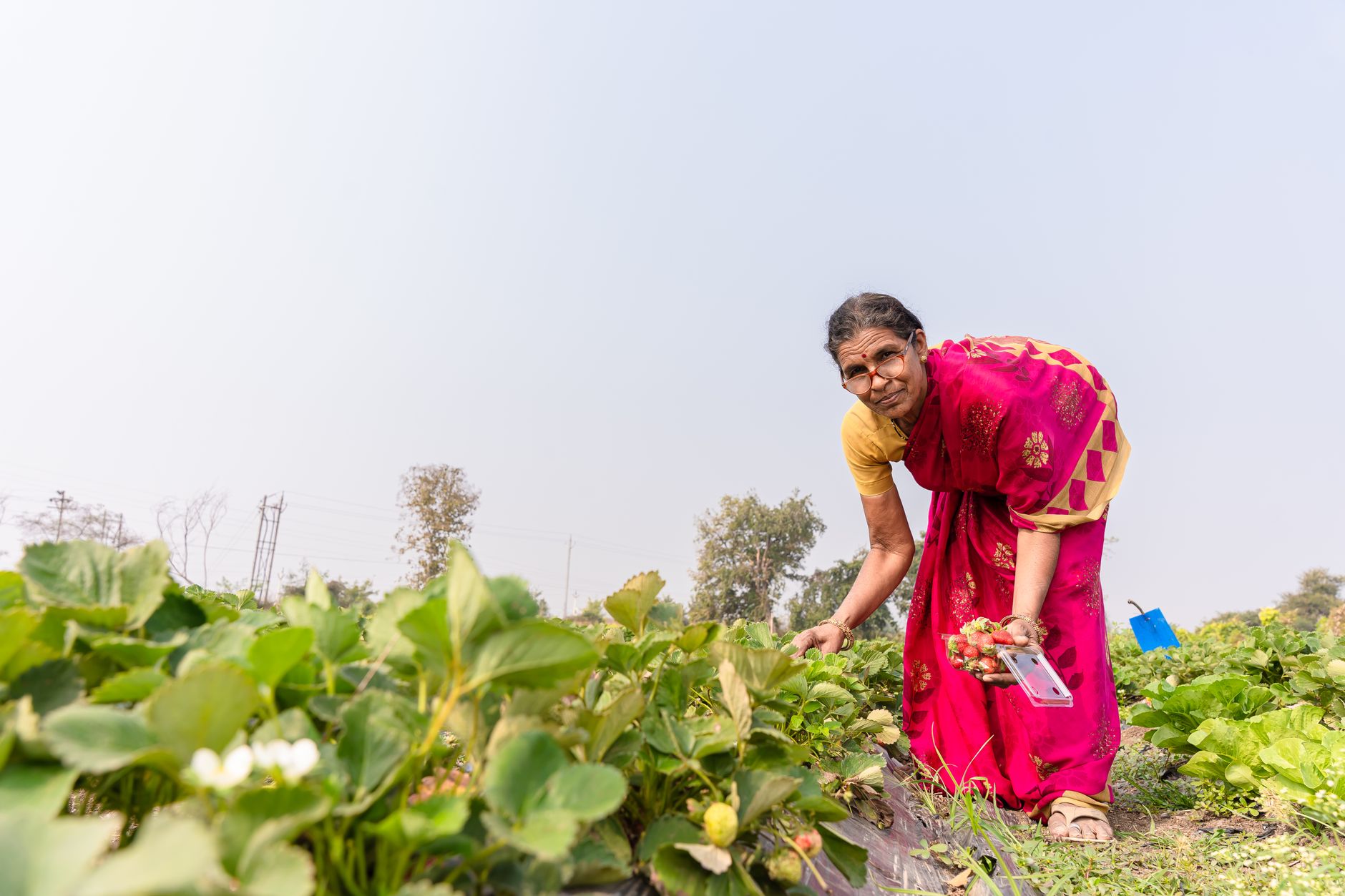
Second, occupational health protections remain weak. Millions of Indians work outdoors in construction, agriculture, and informal sectors with minimal protection from extreme heat. Unlike some countries that mandate work breaks, hydration facilities, and modified work hours during heat extremes, India lacks enforceable standards for worker safety in high-temperature conditions.
Third, urban planning and infrastructure development rarely incorporate heat mitigation as a public health priority. Cities continue expanding with limited green spaces, inadequate tree cover, and heat-absorbing construction materials that create urban heat islands. Public spaces often lack basic amenities like shade and drinking water facilities.
Healthcare System Preparedness
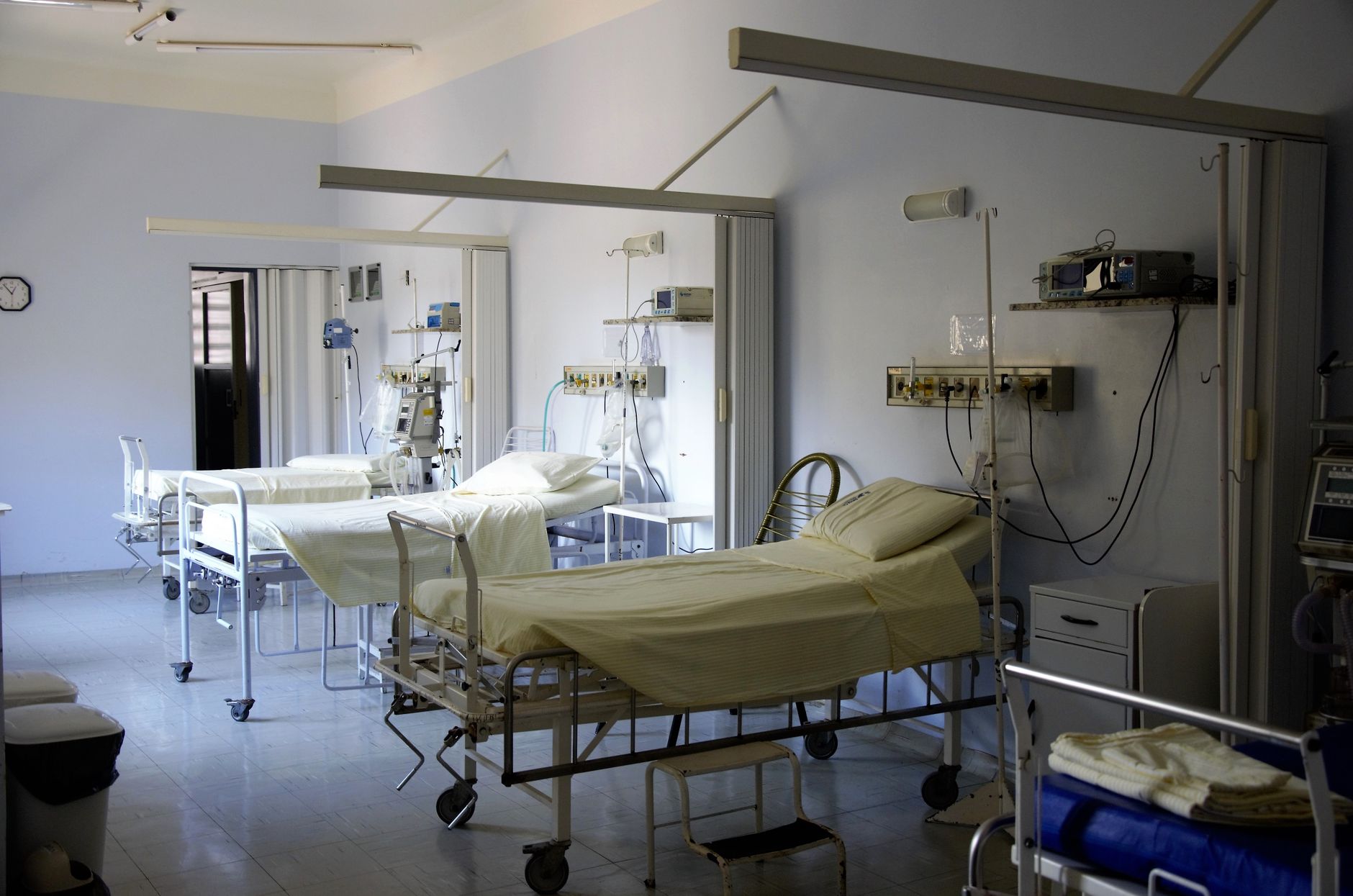
The healthcare system itself shows limited preparedness for heat-related health emergencies. Many primary health centres and district hospitals lack specific protocols for diagnosing and treating heat illness. Healthcare workers often receive minimal training on recognising heat-related conditions, leading to misdiagnosis or delayed treatment.
Additionally, the integration between meteorological departments and health departments remains weak. While weather forecasts predict heatwaves days in advance, this information doesn't always translate into proactive health system mobilisation or community-level health interventions.
Vulnerable Populations
Certain groups face disproportionate heat risks but receive inadequate attention in current policies. Pregnant women working in fields, elderly individuals living alone in urban areas, and people with chronic illnesses require targeted support systems. Slum dwellers in poorly ventilated housing face extreme indoor temperatures but have limited access to cooling infrastructure.
Homeless populations and street vendors are particularly exposed but often excluded from heat action plan coverage. Children in schools without proper ventilation or cooling facilities face learning disruptions and health risks during heat extremes.
Building a Public Health Approach
Effective heat response requires shifting from crisis management to comprehensive public health strategy. This includes establishing heat-health surveillance systems, developing clinical guidelines for healthcare providers, creating occupational safety standards for outdoor workers, and integrating heat considerations into urban planning.
Community-level interventions, public awareness campaigns about heat-health risks, and social support systems for vulnerable groups should form core components of any heat action framework. Additionally, cross-sectoral coordination between health departments, municipal corporations, labour departments, and disaster management authorities is essential.
As India faces a future with more frequent and intense heatwaves, incorporating public health logic into heat response policies isn't optional—it's critical for protecting millions of lives and ensuring population health resilience against climate change.
This article is for general information purposes only and does not constitute medical advice. Individuals experiencing heat-related symptoms should seek immediate medical attention.