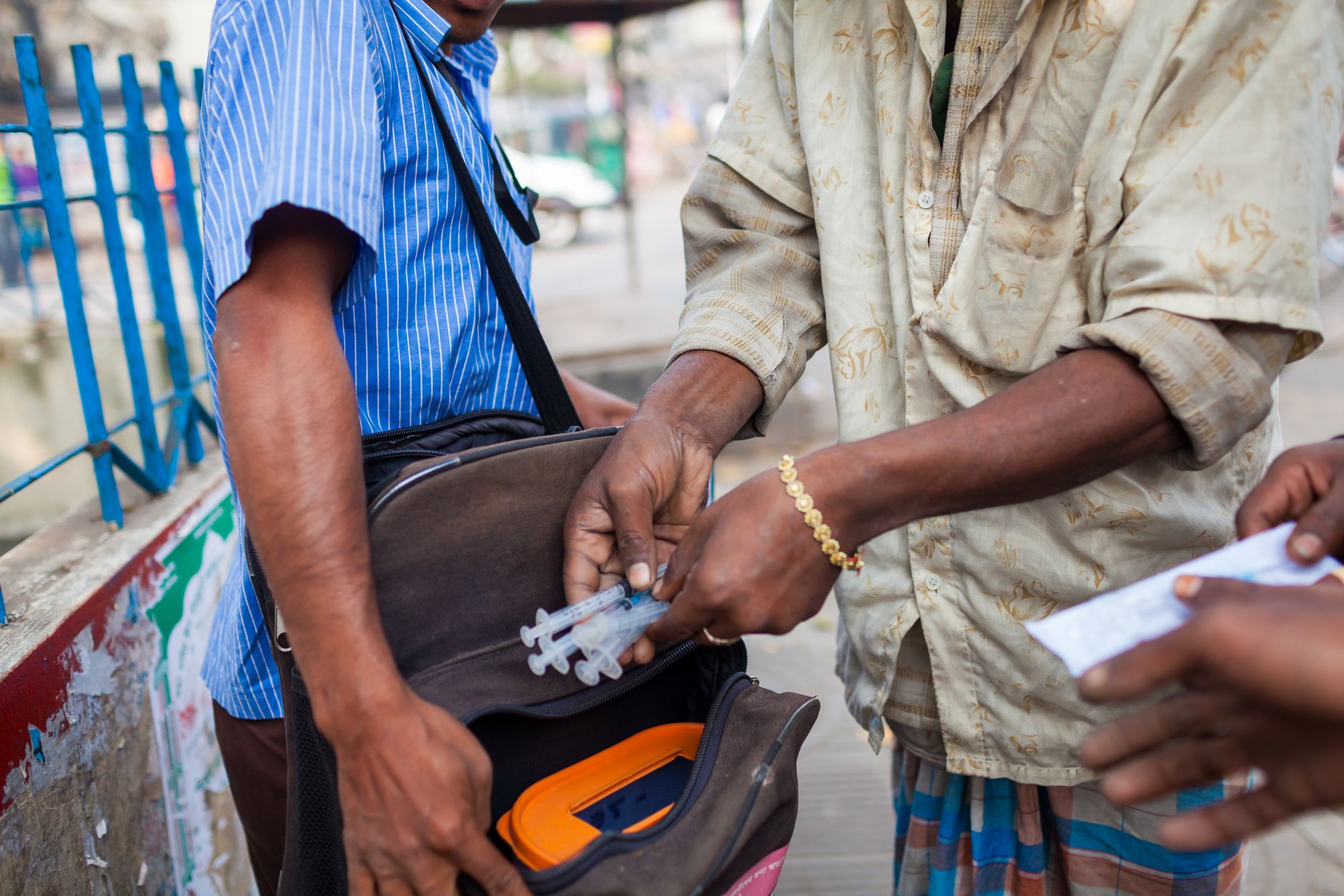
India is home to an estimated 40 million people living with hepatitis B and 6-12 million with hepatitis C, making viral hepatitis a significant public health challenge. The government's renewed commitment to eliminating this disease as a public health threat by 2030 represents an ambitious but critical goal that could save millions of lives and prevent countless cases of liver disease and cancer.
Understanding Hepatitis and Its Impact on India
Hepatitis refers to inflammation of the liver, most commonly caused by viral infections. Five main types exist—hepatitis A, B, C, D, and E—with hepatitis B and C being the most concerning due to their chronic nature and potential to cause serious complications.
Chronic hepatitis infections can silently damage the liver over decades, leading to cirrhosis, liver failure, and hepatocellular carcinoma (liver cancer). In India, hepatitis is responsible for a substantial burden of liver-related deaths and disabilities, affecting productivity and straining healthcare resources.
The disease disproportionately impacts vulnerable populations, including those in rural areas with limited access to clean water and sanitation, healthcare workers, people who inject drugs, and those receiving blood transfusions or medical procedures in settings with inadequate infection control.
Key Strategies in India's Elimination Effort
The government's comprehensive approach includes multiple interventions designed to prevent new infections while treating existing cases.
Universal hepatitis B vaccination has been integrated into India's routine immunization program, with the birth dose playing a crucial role in preventing mother-to-child transmission. Expanding coverage and ensuring timely administration remains a priority.
Enhanced screening and diagnosis programs are being rolled out to identify infected individuals, many of whom remain unaware of their condition. Point-of-care testing and community-based screening camps help reach underserved populations.
Access to affordable treatment has improved significantly with generic versions of direct-acting antivirals for hepatitis C now available in India at a fraction of global prices. These medications can cure hepatitis C in 8-12 weeks with minimal side effects.
Blood safety measures have been strengthened to prevent transmission through transfusions, while injection safety protocols in healthcare settings reduce iatrogenic transmission.
Challenges on the Path to Elimination
Despite progress, several obstacles remain. Low awareness about hepatitis means many people don't recognize symptoms or understand transmission routes, delaying diagnosis until complications develop.
Stigma associated with hepatitis, often confused with HIV or perceived as a shameful disease, prevents people from seeking testing and treatment. Healthcare workers themselves sometimes lack adequate knowledge about hepatitis management.
Geographic and economic barriers limit access to diagnostic facilities and treatment, particularly in rural and remote areas where healthcare infrastructure remains underdeveloped.
The asymptomatic nature of chronic hepatitis means most infected individuals feel healthy and see no reason to get tested, allowing silent disease progression and ongoing transmission.
What Individuals Can Do
Understanding your risk and taking preventive measures is essential. Getting vaccinated against hepatitis B provides lifelong protection and is now part of the standard immunization schedule for children. Adults at higher risk should also consider vaccination.
Practice safe injection practices and ensure any medical or cosmetic procedures are performed with sterile equipment. Avoid sharing razors, toothbrushes, or other items that might carry blood.
If you fall into higher-risk groups—healthcare workers, people with multiple sexual partners, those with a history of blood transfusions, or anyone with unexplained liver problems—ask your doctor about hepatitis screening.
For those diagnosed with hepatitis, adherence to treatment is crucial. Modern therapies are highly effective, but only if taken as prescribed.
The Road Ahead
Achieving the 2030 elimination target will require sustained political commitment, adequate funding, and coordinated efforts across multiple sectors. Integration with existing healthcare programs, continued price negotiations for diagnostics and drugs, and community engagement will all play vital roles.
Success stories from countries like Egypt, which dramatically reduced hepatitis C prevalence through mass screening and treatment campaigns, demonstrate that elimination is achievable with the right resources and political will.
For India, eliminating hepatitis would prevent an estimated hundreds of thousands of deaths annually and reduce the economic burden of chronic liver disease. It represents not just a health victory but a significant step toward achieving universal health coverage and improving quality of life for millions.
This article is for general informational purposes only and should not be considered medical advice. If you have concerns about hepatitis or liver health, consult a qualified healthcare professional for personalized guidance, screening, and treatment options.