India's employment landscape is undergoing a fundamental transformation as tier-2 cities emerge as the new destination of choice for the country's top talent. Cities like Indore, Coimbatore, Jaipur, Chandigarh, and Kochi are witnessing a surge in both job opportunities and an influx of skilled professionals who are increasingly disillusioned with the challenges of metro living.
The Great Indian Talent Migration
The pandemic-induced remote work revolution has fundamentally altered how professionals view career opportunities. What was once considered a career compromise—moving away from major metros—is now being embraced as a strategic lifestyle choice. Professionals with years of experience in IT, finance, e-commerce, and consulting are relocating to tier-2 cities, either through remote work arrangements or by taking up positions with companies establishing operations outside traditional hubs.
This migration is not merely about escaping traffic and pollution. It represents a recalibration of priorities where quality of life, proximity to family, and financial prudence take precedence over the prestige of working in a metro address.
Why Tier-2 Cities Are Winning
Several factors are driving this shift. Real estate costs in tier-2 cities are typically 40-60 percent lower than metros, allowing professionals to afford larger homes and better amenities. A three-bedroom apartment that costs Rs 2 crore in Bengaluru might be available for Rs 60-80 lakh in cities like Nagpur or Vizag.
Living expenses follow a similar pattern. From groceries to domestic help, education to entertainment, the cost of maintaining a comfortable lifestyle is significantly lower. A family spending Rs 80,000 monthly in Mumbai might comfortably manage with Rs 40,000-50,000 in a tier-2 city, leaving more room for savings and investments.
Commute times have emerged as another crucial factor. While metro residents often spend 2-3 hours daily in traffic, tier-2 city dwellers typically reach their workplace within 20-30 minutes. This recovered time translates into better work-life balance, more family interaction, and reduced stress levels.
The Corporate Shift
Companies are actively facilitating this transition. Global capability centers, IT services firms, and business process outsourcing companies are establishing or expanding operations in tier-2 cities to access untapped talent pools and reduce operational costs. Cities like Visakhapatnam, Thiruvananthapuram, Bhubaneswar, and Mohali are seeing new office parks and technology centers emerge.
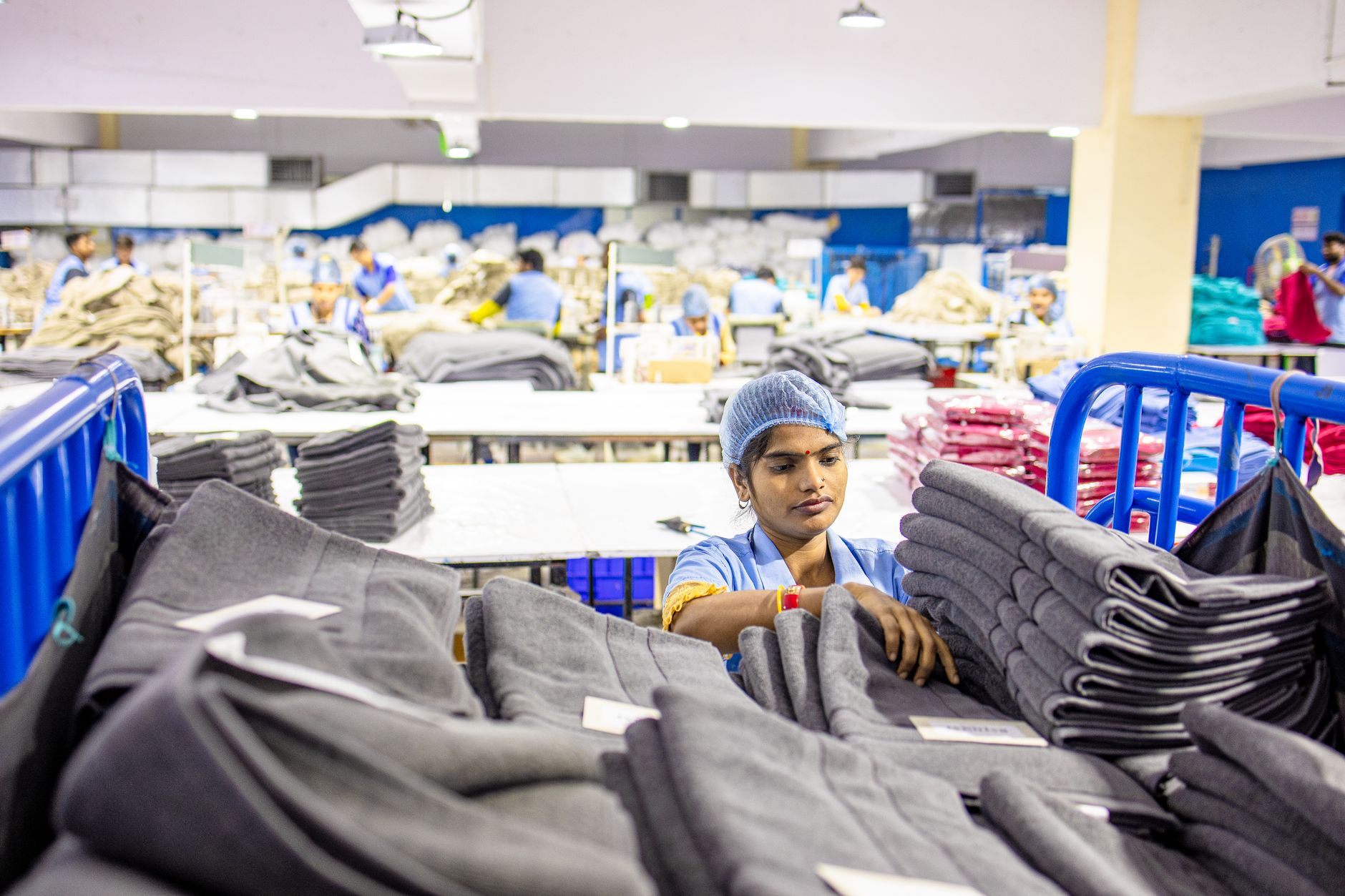
Manufacturing and logistics sectors are also driving job creation outside metros, with improved infrastructure and government incentives making tier-2 locations increasingly attractive for production facilities and warehouses.
Startups, too, are rethinking their geography. With reduced pressure to maintain expensive metro office spaces and access to cost-effective talent, several new-age companies are either starting in tier-2 cities or opening satellite offices there.
Employment Opportunities Expanding
The job market in tier-2 cities is diversifying beyond traditional sectors. While IT and ITES continue to lead hiring, sectors like fintech, edtech, healthtech, and digital marketing are creating opportunities for product managers, data analysts, software developers, and creative professionals.
Local businesses and traditional industries in these cities are also professionalizing, creating demand for skilled managers, finance professionals, and marketing specialists. Regional banks, retail chains, and educational institutions are hiring talent that previously might have only found opportunities in metros.
Challenges Remain
Despite the advantages, tier-2 cities face challenges. Limited entertainment options, fewer specialized healthcare facilities, and smaller professional networks can be drawbacks for some. Career growth concerns persist, as certain senior leadership positions and specialized roles remain concentrated in metros.
Educational infrastructure for children, while improving, may not match metro standards in terms of international curricula or extracurricular options. Additionally, dual-career couples might find limited opportunities for both partners in specialized fields.
The Road Ahead
The trend toward tier-2 cities is likely to accelerate as hybrid work models become permanent and infrastructure improves. Government initiatives to develop smart cities and improve connectivity are making these locations even more attractive.
For professionals, the decision increasingly comes down to individual priorities. Those valuing financial savings, family time, and reduced stress are finding tier-2 cities offer compelling propositions. Meanwhile, metros will likely remain crucial for specific industries, networking opportunities, and certain career stages.
This redistribution of talent and opportunity may ultimately prove beneficial for India's balanced regional development, creating multiple growth engines rather than concentrating prosperity in a handful of megacities.