Motul India, the Indian subsidiary of the French lubricant manufacturing giant, has significantly expanded its healthcare outreach programme, demonstrating how corporate social responsibility initiatives can address critical gaps in India's healthcare infrastructure. The Sehat Ki Samriddhi initiative's expansion to 108 health camps across 27 districts represents a substantial commitment to improving healthcare access in underserved areas.
The Growing Need for Corporate Healthcare Initiatives
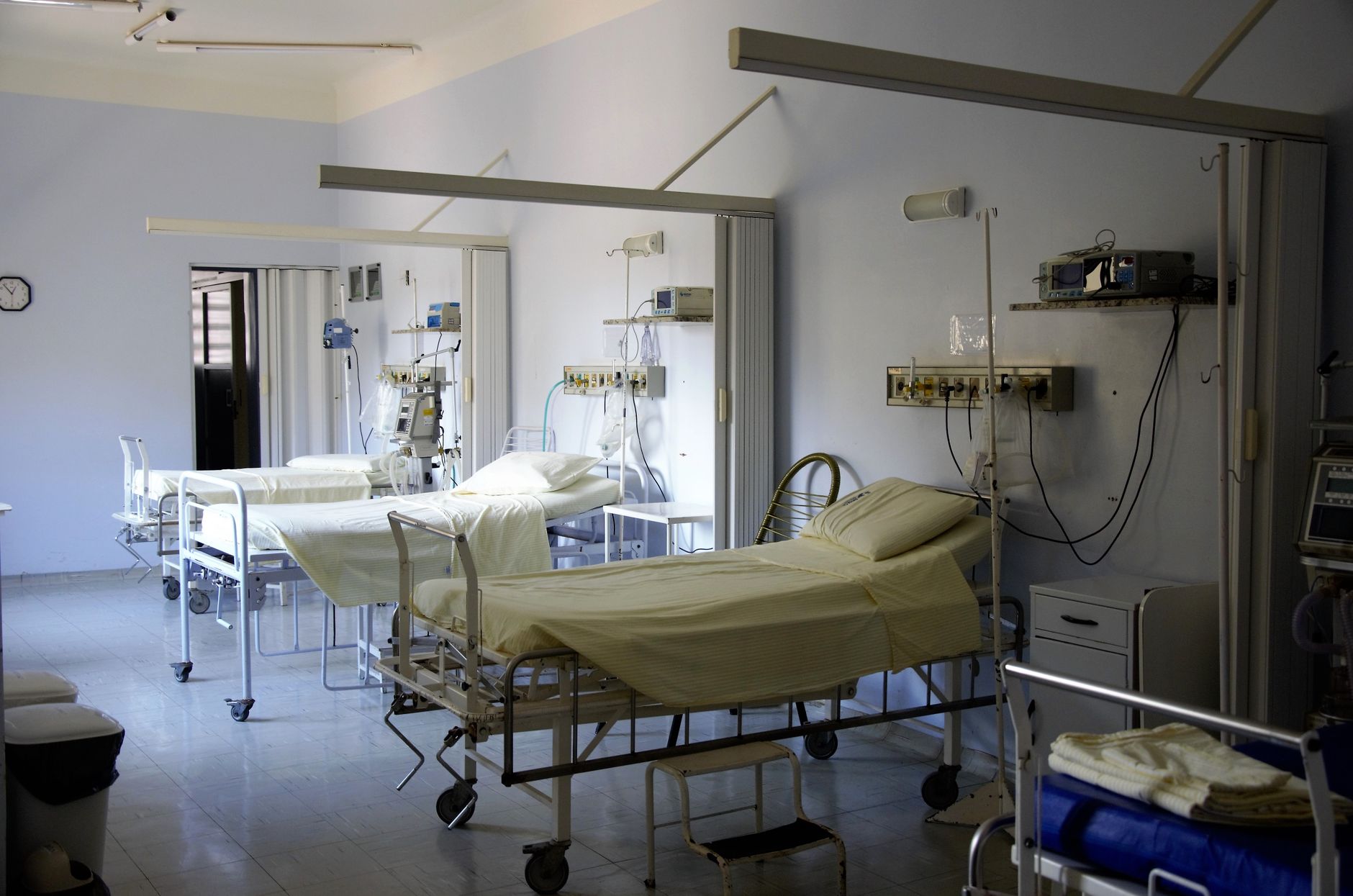
India's healthcare landscape continues to face significant challenges, particularly in rural and semi-urban areas where access to basic medical services remains limited. With a doctor-to-patient ratio that falls below World Health Organization recommendations and vast geographical disparities in healthcare infrastructure, corporate-led health camps have become increasingly important.
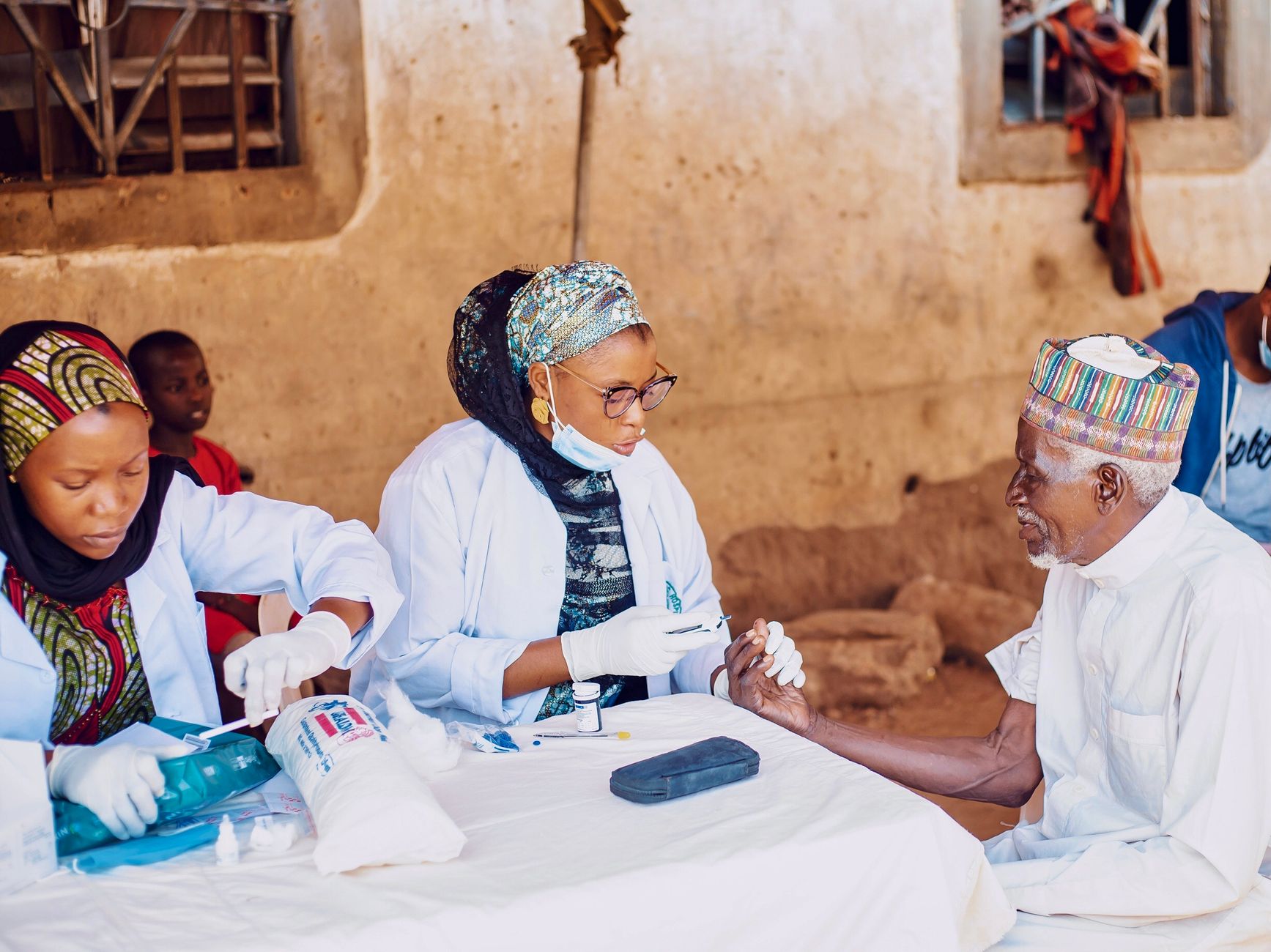
These initiatives fill critical gaps by bringing preventive healthcare, diagnostic services, and health education directly to communities that might otherwise lack access. For many residents in remote districts, such health camps represent the only opportunity for regular health screenings and medical consultations.
Understanding the Sehat Ki Samriddhi Model
The expansion to 108 health camps across 27 districts suggests a well-structured approach to healthcare delivery. Corporate health camp initiatives typically offer several key services:
- General health check-ups including blood pressure, blood sugar, and BMI measurements
- Specialist consultations for common ailments
- Distribution of essential medicines
- Health awareness sessions on nutrition, hygiene, and preventive care
- Referral services for cases requiring advanced treatment
The number 108 holds special significance in Indian culture and is also the national emergency ambulance number, making it a symbolically powerful choice for a health initiative.
Impact on Underserved Communities
Health camps organized by corporate entities provide multiple benefits beyond immediate medical care. They create awareness about preventive healthcare, help in early detection of chronic conditions like diabetes and hypertension, and reduce the financial burden on families who might otherwise need to travel long distances for basic medical consultations.
For companies like Motul India, which operates in the automotive lubricants sector, such initiatives also strengthen community relationships and build brand goodwill in markets where they have business operations or supply chains.
The Business Case for Corporate Health Initiatives
Corporate social responsibility programmes focused on healthcare serve multiple purposes. They contribute to the United Nations Sustainable Development Goal of ensuring healthy lives and well-being for all ages, align with India's CSR mandate under the Companies Act, and create positive social impact that resonates with stakeholders.
Additionally, healthier communities contribute to more productive workforces and stable economic environments, creating long-term benefits that extend beyond immediate charitable impact.
Challenges in Scaling Healthcare Programmes
Expanding from a pilot programme to 108 camps across 27 districts requires substantial logistical coordination, including:
- Partnerships with local healthcare providers and NGOs
- Securing appropriate venues and medical equipment
- Managing medical supplies and medication distribution
- Training staff and volunteers
- Ensuring follow-up care for identified health issues
- Measuring and reporting impact metrics
The success of such scaled initiatives depends heavily on local community engagement and collaboration with state health departments to ensure complementarity with existing government health schemes.
The Broader Trend in Corporate Healthcare CSR
Motul India's expanded initiative reflects a broader trend among Indian and multinational corporations investing in healthcare access. From eye care camps to cancer screening programmes, corporate India has increasingly recognized healthcare as a priority area for social investment.
This trend has accelerated post-pandemic, as COVID-19 highlighted existing vulnerabilities in healthcare infrastructure and increased public awareness about the importance of accessible medical services.
Measuring Success and Sustainability
The true measure of such initiatives lies not just in the number of camps conducted but in tangible health outcomes: diseases detected early, lives saved through timely interventions, and sustained behaviour change in health-seeking patterns.
For the Sehat Ki Samriddhi programme to deliver lasting impact, ongoing commitment, regular monitoring, and integration with existing healthcare systems will be essential. The expansion to 108 camps indicates strong institutional commitment, but long-term sustainability will require continued investment and strategic partnerships.
This article is for general information purposes only. For specific medical concerns or health conditions, please consult qualified healthcare professionals. The views expressed are based on publicly available information about corporate health initiatives in India.