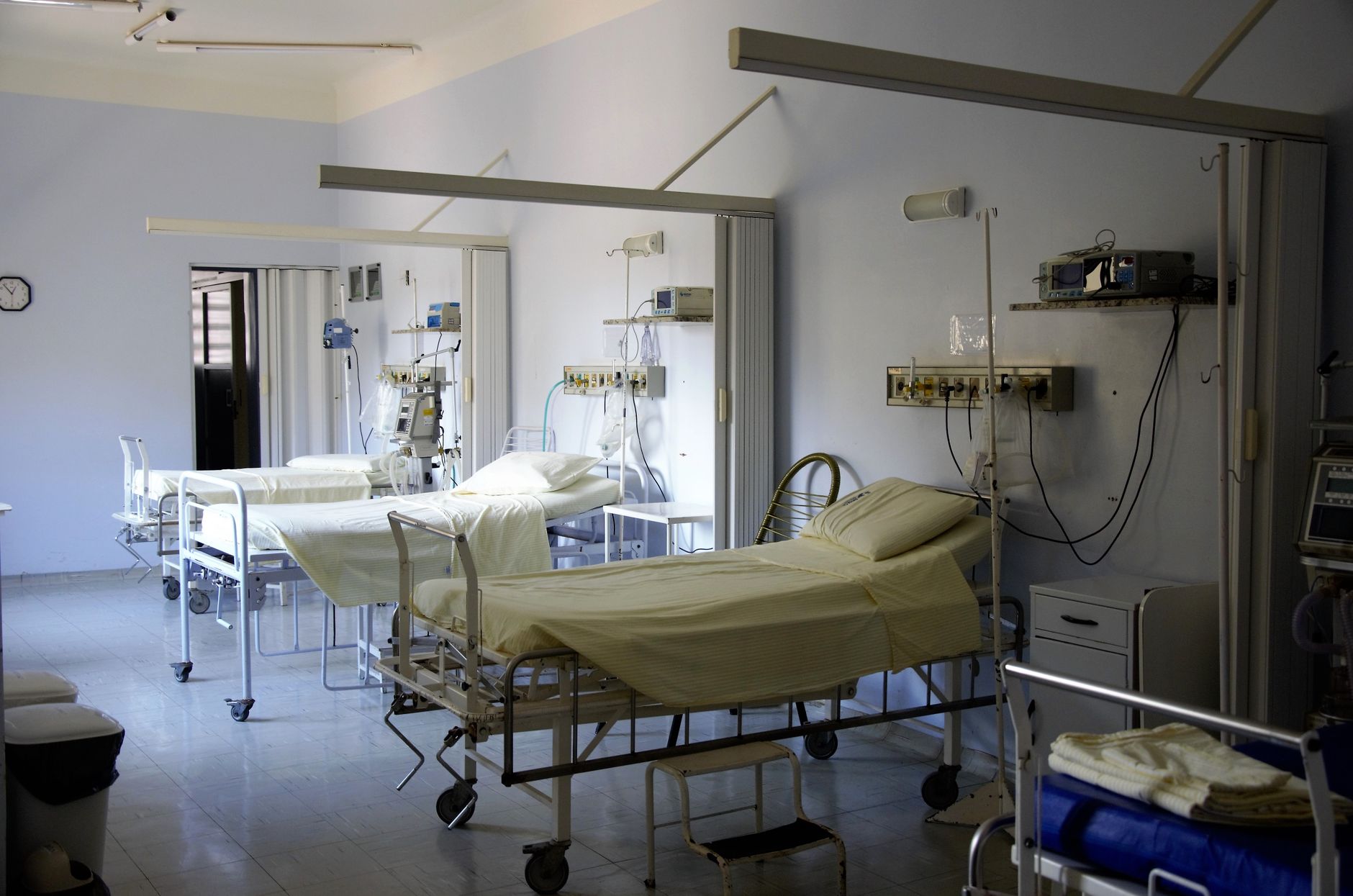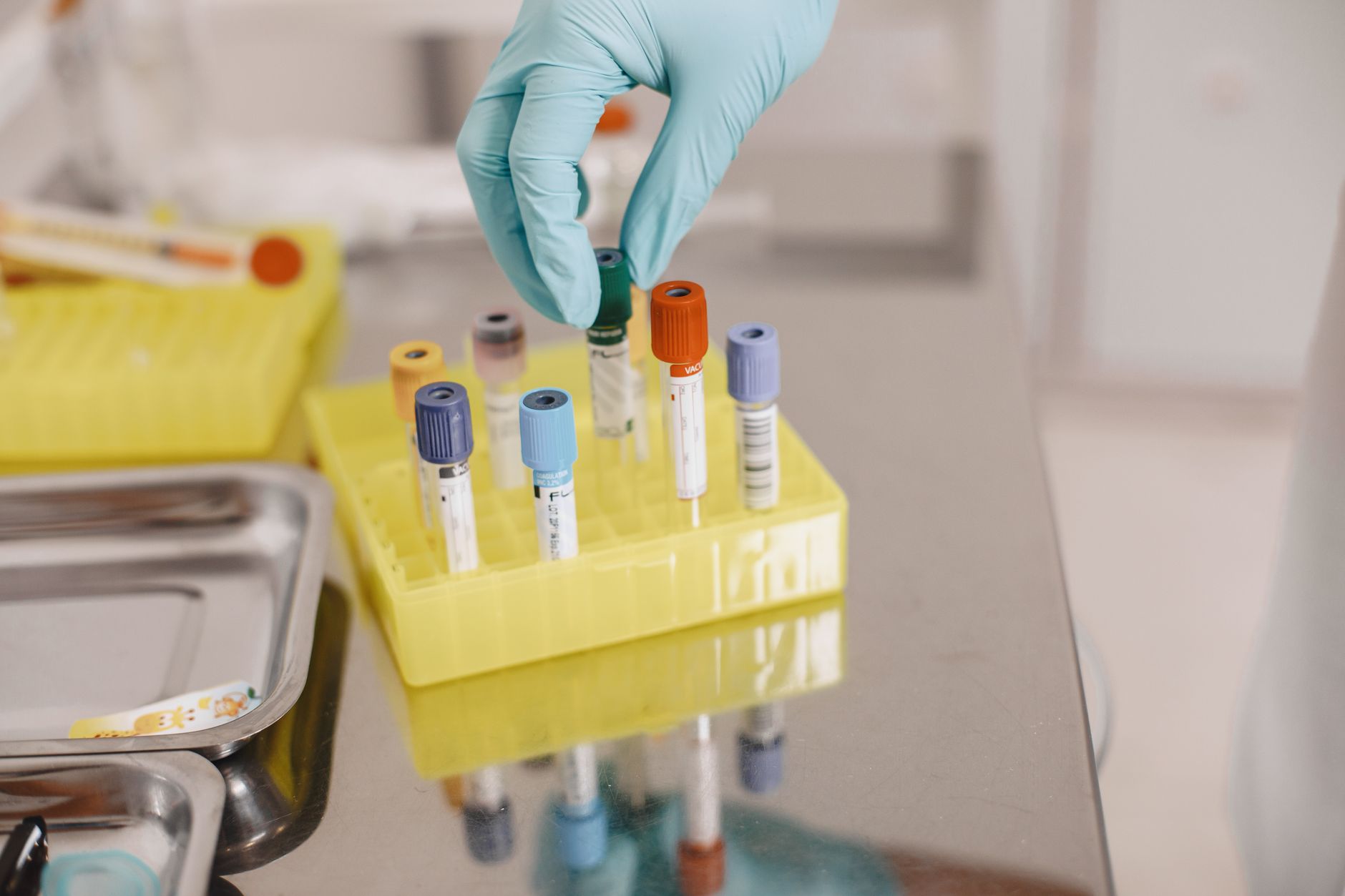
In India's rapidly evolving healthcare landscape, a paradoxical problem is emerging. While millions still struggle to access basic medical care, another segment of the population faces a different challenge: too much healthcare. Overdiagnosis, the identification of conditions that would never cause symptoms or death, has quietly become a significant issue affecting urban and semi-urban India.
Understanding Overdiagnosis
Overdiagnosis occurs when doctors detect abnormalities or diseases through screening tests that would never have caused harm during a person's lifetime. Unlike misdiagnosis, where the wrong condition is identified, overdiagnosis finds real conditions that simply didn't need to be found.
Common examples include detecting slow-growing thyroid cancers that would never spread, identifying minor kidney stones that cause no symptoms, or diagnosing borderline diabetes that may never progress. The problem isn't the accuracy of tests—it's that we're finding things that don't require intervention.
The Driving Forces Behind India's Overdiagnosis Problem
Several factors contribute to this growing epidemic in India:
- Proliferation of diagnostic centres offering comprehensive health packages at competitive prices
- Aggressive marketing of preventive health check-ups promising early detection
- Fee-for-service medical systems where doctors and hospitals earn more from tests and procedures
- Patient demand for thorough investigations, often driven by health anxiety
- Defensive medicine practices where doctors order tests to protect against potential litigation
- Corporate health insurance policies mandating annual check-ups
- Growing middle class with increased health awareness and spending power
The rise of advanced imaging technologies like CT scans and MRIs has made it easier to spot tiny abnormalities. A decade ago, many of these findings would have remained undetected simply because we lacked the tools to see them.
The Hidden Costs
The consequences of overdiagnosis extend far beyond unnecessary medical bills. When patients receive diagnoses for conditions that pose no real threat, they often undergo treatments that carry genuine risks. A thyroid nodule biopsy might cause complications. Medication for borderline conditions can trigger side effects. Surgery for slow-growing cancers carries inherent dangers.
The psychological impact is equally significant. Being labelled with a disease—even a mild one—transforms a person's self-identity. Studies show that people diagnosed with minor conditions experience increased anxiety, stress, and reduced quality of life, even when the condition requires no treatment.
Financially, Indian families face substantial burden. While a basic health package might cost Rs 2,000-5,000, follow-up tests and consultations for incidental findings can quickly escalate into lakhs. For a middle-class family, this can mean depleting savings or taking on debt for treatments they never actually needed.
Particularly Vulnerable Areas
Certain medical fields see higher rates of overdiagnosis in India:
- Thyroid screening through ultrasound detecting tiny nodules
- Prostate cancer screening in elderly men through PSA tests
- Whole-body CT scans marketed as comprehensive health assessments
- Cardiac calcium scoring and coronary CT angiography in asymptomatic individuals
- Vitamin D deficiency testing leading to unnecessary supplementation
- Polycystic ovary syndrome diagnosis based on ultrasound findings alone
Finding the Balance
The solution isn't to avoid all preventive care—certain screenings genuinely save lives. Cervical cancer screening, blood pressure monitoring, and age-appropriate mammography have proven benefits. The key is judicious use of tests based on individual risk factors rather than blanket screening.
Patients can protect themselves by asking critical questions: What will you do if this test is abnormal? Will finding this condition change my treatment? What happens if I don't get this test? Understanding the potential consequences of investigation helps make informed decisions.
Healthcare providers must also shift their approach. International medical bodies increasingly recommend "watchful waiting" for many conditions. Not every abnormality requires immediate intervention. Time itself can be a diagnostic tool.
The Way Forward
Addressing overdiagnosis requires systemic change. Medical education must emphasize the harms of over-testing. Insurance policies should reward quality outcomes rather than quantity of procedures. Public health campaigns should focus on truly beneficial screenings rather than comprehensive packages.
Regulatory bodies need to establish guidelines on appropriate use of diagnostic tests. Countries like Australia and the UK have launched "Choosing Wisely" campaigns, educating both doctors and patients about tests and treatments to question.
For individual Indians, the message is clear: more healthcare isn't always better healthcare. The most expensive test or the most comprehensive package may not serve your health interests. Sometimes, the wisest medical decision is doing less, not more.
This article is for general informational purposes only and should not replace personalized medical advice. Always consult qualified healthcare professionals regarding your specific health concerns and before making decisions about tests or treatments.