India's drug regulator has granted approval for QDENGA, a dengue vaccine developed by Takeda Pharmaceutical Company, marking a significant advancement in the country's fight against one of its most persistent vector-borne diseases. This development comes as dengue cases continue to surge across Indian states, particularly during monsoon seasons when mosquito breeding intensifies.
Understanding Dengue's Impact in India
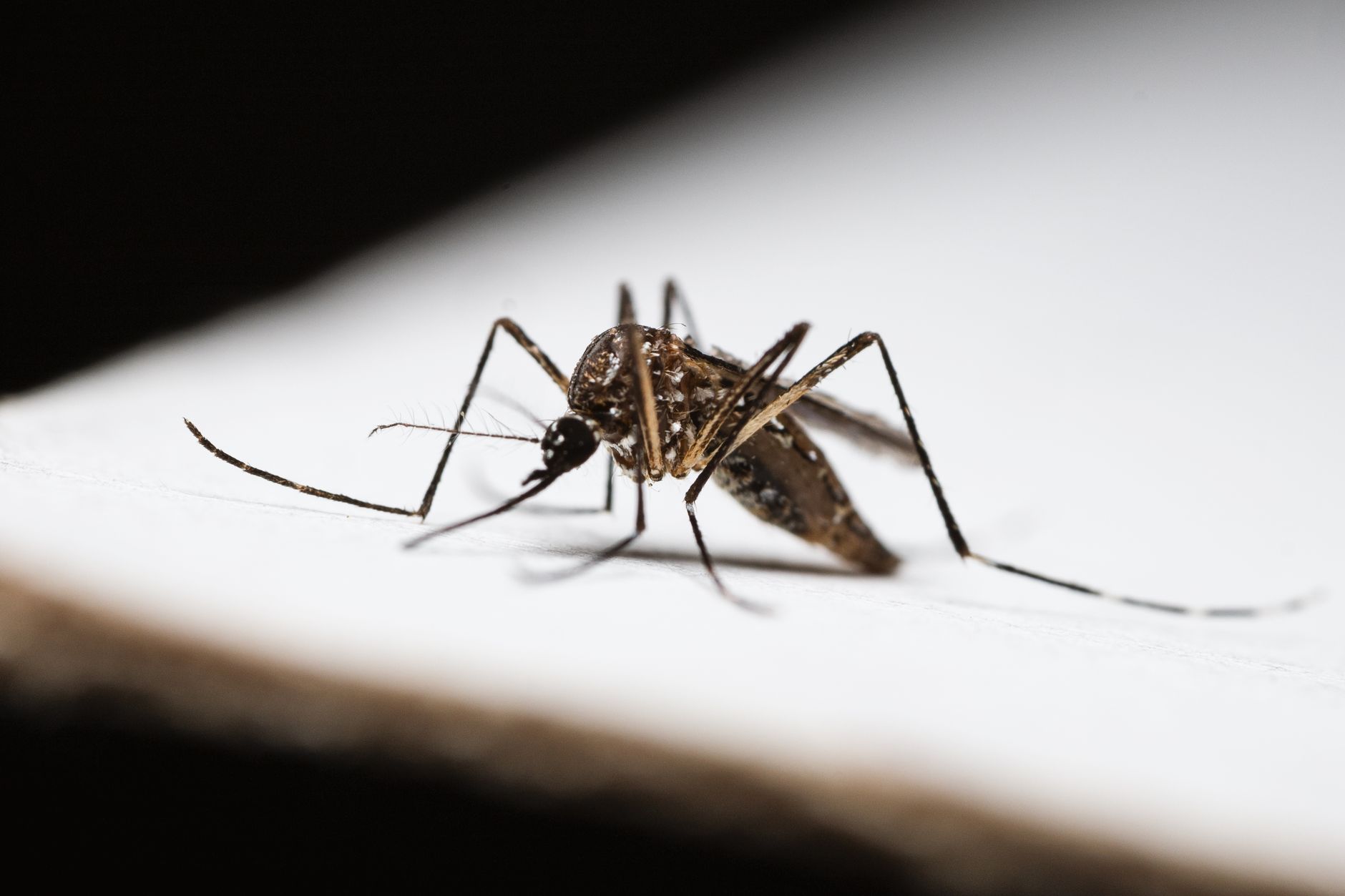
Dengue fever affects between 100 to 400 million people globally each year, with India accounting for a substantial proportion of these cases. The disease, transmitted by Aedes aegypti mosquitoes, causes high fever, severe headache, joint pain, and in severe cases can lead to dengue hemorrhagic fever or dengue shock syndrome, both potentially fatal conditions.
India has witnessed concerning trends in recent years, with cases spreading beyond traditional hotspots to previously unaffected regions. Climate change, rapid urbanization, and inadequate waste management have created ideal breeding conditions for mosquitoes, making dengue a year-round threat in many areas rather than just a seasonal concern.
What Makes QDENGA Different
QDENGA is a live-attenuated tetravalent vaccine, meaning it protects against all four dengue virus serotypes (DENV-1, DENV-2, DENV-3, and DENV-4). This comprehensive coverage is crucial because infection with one serotype does not provide immunity against others, and subsequent infections with different serotypes can actually increase the risk of severe dengue.
The vaccine is administered in two doses, given three months apart, and is approved for use in individuals aged four to 60 years. Clinical trials have demonstrated its efficacy in preventing symptomatic dengue and hospitalization, regardless of whether the person had previously been infected with dengue.
One significant advantage of QDENGA over earlier dengue vaccines is that it can be administered to both previously infected and dengue-naive individuals. This makes vaccination campaigns more straightforward, as pre-vaccination screening for prior dengue infection is not required.
Implementation Challenges and Considerations
While the approval is promising, several factors will determine QDENGA's impact on India's dengue burden:
- Cost and affordability: The vaccine's pricing will be critical in determining accessibility for India's diverse population
- Distribution infrastructure: Maintaining the cold chain requirements for a live vaccine across India's varied geography presents logistical challenges
- Public awareness: Many people remain unaware of dengue prevention beyond mosquito control measures
- Healthcare provider training: Medical professionals will need education on appropriate vaccine administration and patient selection
- Integration with existing programs: Incorporating dengue vaccination into routine immunization schedules requires careful planning
The Broader Prevention Picture
Vaccination represents just one component of comprehensive dengue control. Public health experts emphasize that QDENGA should complement, not replace, existing prevention measures. These include eliminating mosquito breeding sites, using insect repellents, wearing protective clothing, and ensuring proper water storage practices.
Community participation remains essential, as most mosquito breeding occurs in and around homes. Simple measures like covering water storage containers, removing stagnant water from flower pots and discarded containers, and maintaining clean surroundings can significantly reduce mosquito populations.
Looking Ahead
The approval of QDENGA signals a new phase in India's dengue control strategy, shifting from purely reactive measures to proactive prevention. However, success will depend on coordinated efforts between government agencies, healthcare providers, and communities.
State governments will need to assess their specific dengue burden and determine priority populations for vaccination. High-transmission areas, particularly densely populated urban centers, may benefit most from initial vaccination campaigns.
Research continues into next-generation dengue vaccines and treatments, but QDENGA represents the most advanced option currently available in India. Its approval provides hope for reducing the significant disease burden, healthcare costs, and productivity losses associated with dengue.
For India to fully realize the benefits of this new tool, sustained investment in vector control, disease surveillance, and public health infrastructure remains essential alongside vaccination efforts.
This article provides general information about dengue vaccination and should not be considered medical advice. Individuals should consult qualified healthcare professionals to determine if QDENGA vaccination is appropriate for their specific circumstances and to discuss potential benefits and risks.