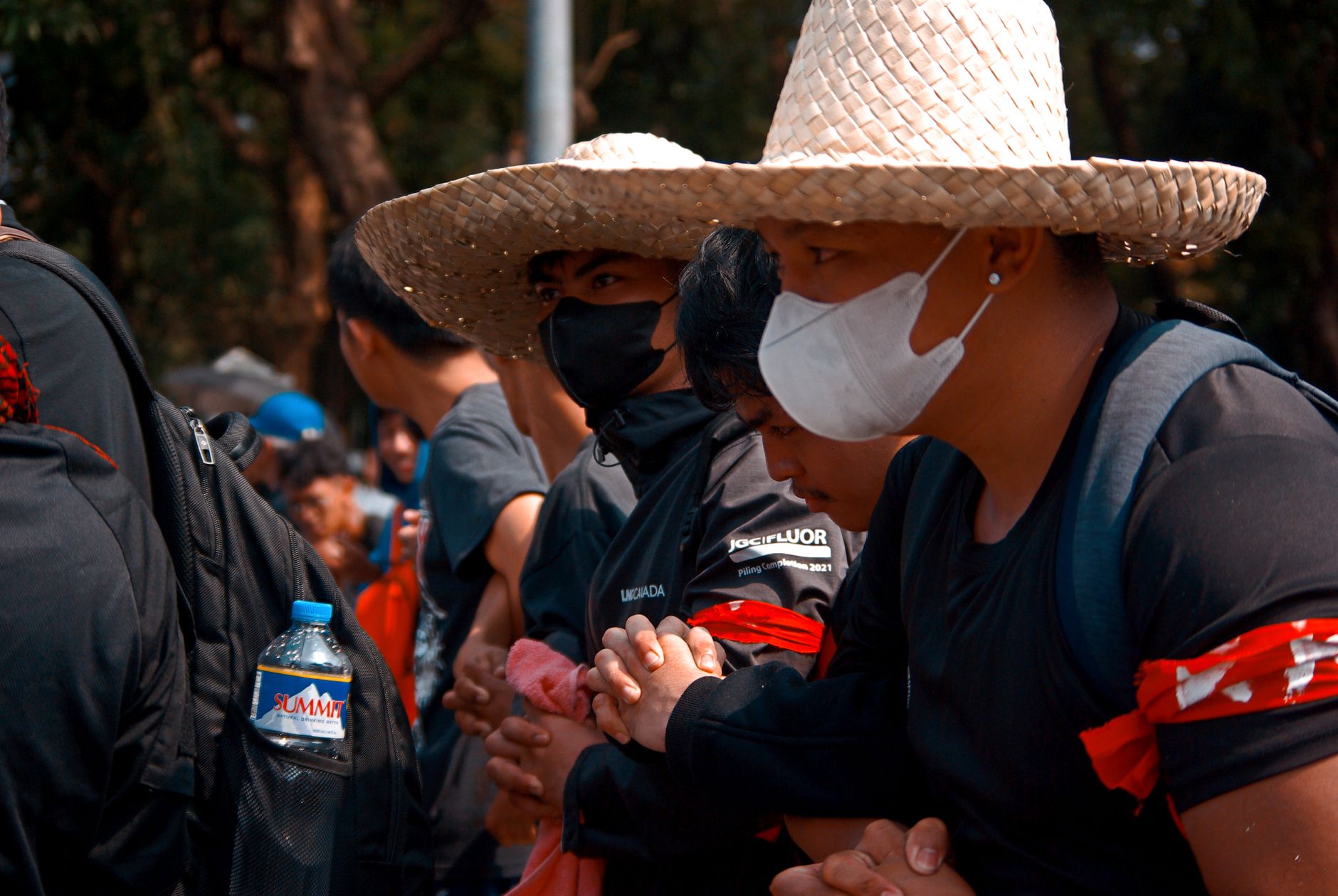
Hunger strikes have long served as a powerful form of non-violent protest in India, from Mahatma Gandhi's historic fasts to contemporary activists like Sonam Wangchuk. The Ladakhi engineer and education reformer has employed this drastic measure to draw attention to environmental and constitutional concerns affecting the fragile Himalayan region. Understanding the health implications of such protests reveals both their effectiveness and their dangers.
What Happens During a Hunger Strike
When the body is deprived of food, it undergoes a predictable sequence of physiological changes. During the first 24-72 hours, the body exhausts its readily available glucose stores and begins breaking down glycogen reserves in the liver and muscles. This initial phase often brings headaches, weakness, and irritability as blood sugar levels drop.
After three days, the body enters ketosis, burning fat for energy and producing ketones as a byproduct. While this metabolic state can be sustained for weeks in healthy individuals, it comes with significant side effects including mental fog, dizziness, and extreme fatigue.
Serious Health Consequences
Extended hunger strikes lasting beyond a week present serious medical risks:
- Muscle wasting as the body breaks down protein for energy
- Cardiac complications including irregular heartbeat and potential heart failure
- Electrolyte imbalances affecting kidney and brain function
- Weakened immune system increasing infection susceptibility
- Bone density loss and anemia
- Gastrointestinal problems when refeeding begins
The most critical phase typically occurs after 40-50 days, when organ failure becomes likely. However, individual responses vary based on age, pre-existing health conditions, body mass, and whether any fluids or supplements are consumed.
Why Activists Choose This Method
Despite the severe health risks, hunger strikes remain a preferred protest tactic in India for several reasons. The practice carries deep cultural and historical resonance, evoking Gandhi's successful use of fasting to challenge British colonial rule. This connection lends moral authority and captures public imagination in ways conventional protests may not.
The self-sacrificial nature of hunger strikes also creates a moral dilemma for authorities. Unlike violent protests that can be dismissed or suppressed, watching someone slowly harm themselves for a cause generates public sympathy and media attention. The striker's willingness to risk their life demonstrates the depth of their conviction and the urgency of their demands.
Medical Monitoring and Safety Measures
Responsible hunger strikers typically work with medical professionals who monitor vital signs, electrolyte levels, and organ function. Some protesters consume water, salt, and vitamins to reduce immediate health risks, though purists argue this dilutes the protest's impact.
Doctors generally advise against hunger strikes exceeding 10-14 days without medical supervision. When strikes end, careful refeeding protocols are essential to avoid refeeding syndrome, a potentially fatal condition where the body cannot handle the sudden reintroduction of nutrients.
The Political Dimension
Hunger strikes occupy a unique space in democratic protests. They place the burden of potential tragedy on authorities, forcing governments to either concede to demands or risk the political fallout from a protester's death or serious injury. This dynamic explains why hunger strikes often succeed in generating dialogue even when other tactics fail.
However, critics argue that hunger strikes can amount to emotional blackmail, using self-harm to circumvent normal democratic processes. Others worry about the precedent set when governments negotiate under such pressure, potentially encouraging more extreme protest tactics.
Long-Term Health Impact
Even after ending a hunger strike, protesters may face lasting health consequences. Prolonged fasting can cause permanent damage to the heart, kidneys, and digestive system. Some former hunger strikers report chronic fatigue, digestive issues, and metabolic problems years later. Psychological trauma from the experience and public pressure can also leave lasting effects.
The decision to undertake a hunger strike thus represents a calculated risk, weighing immediate health dangers against the potential to advance a cause. For activists like Wangchuk, who seek to protect Ladakh's environment and cultural identity, the personal sacrifice serves as both a last resort and a powerful statement of purpose.
This article is for general informational purposes only and does not constitute medical advice. Anyone considering fasting for extended periods should consult healthcare professionals, as hunger strikes pose serious health risks including organ damage and death.