Natural disasters rarely announce their full impact immediately. While the ground-shaking terror of an earthquake subsides within minutes, the health crisis that follows can persist for weeks or even months. Venezuela's recent seismic event has entered this critical secondary phase, where environmental hazards pose serious threats to both survivors and recovery personnel.
The Hidden Dangers of Post-Earthquake Environments
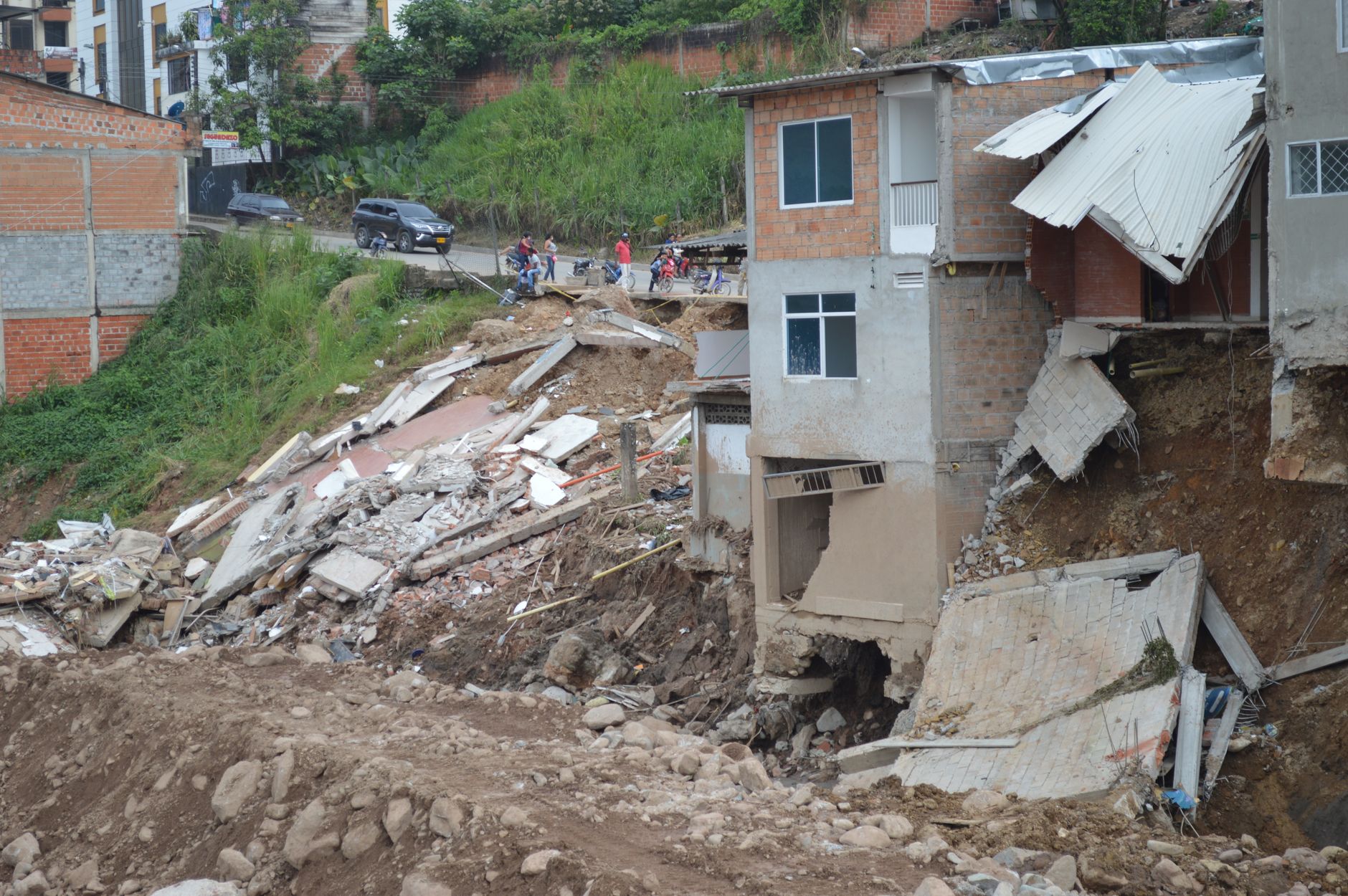
When buildings collapse and infrastructure crumbles, they release a toxic cocktail of materials into the environment. Concrete dust contains crystalline silica, a substance that can cause severe respiratory problems when inhaled over extended periods. Asbestos, commonly used in older construction, becomes airborne when structures are disturbed. These microscopic particles can penetrate deep into lung tissue, causing both immediate breathing difficulties and long-term conditions like silicosis and mesothelioma.
Rescue workers and residents clearing debris face the highest exposure risk. Without proper protective equipment—respirators, gloves, and eye protection—individuals working in affected areas essentially breathe in harmful particles with every breath. In resource-constrained situations, such protective gear often becomes scarce precisely when it's needed most.
Water Contamination and Disease Outbreaks
Perhaps the most immediate health threat following earthquakes is the disruption of water and sanitation systems. Broken sewage lines can contaminate drinking water supplies, creating ideal conditions for waterborne diseases to spread rapidly through affected populations. Cholera, typhoid fever, and hepatitis A thrive in these circumstances, particularly when people are displaced to crowded temporary shelters with inadequate sanitation facilities.
Standing water in damaged areas also becomes breeding grounds for mosquitoes, raising the risk of vector-borne diseases like dengue fever and malaria. In tropical regions, these disease vectors multiply quickly, and displaced populations living in makeshift shelters often lack the protection of intact housing and mosquito nets.
Injury-Related Complications
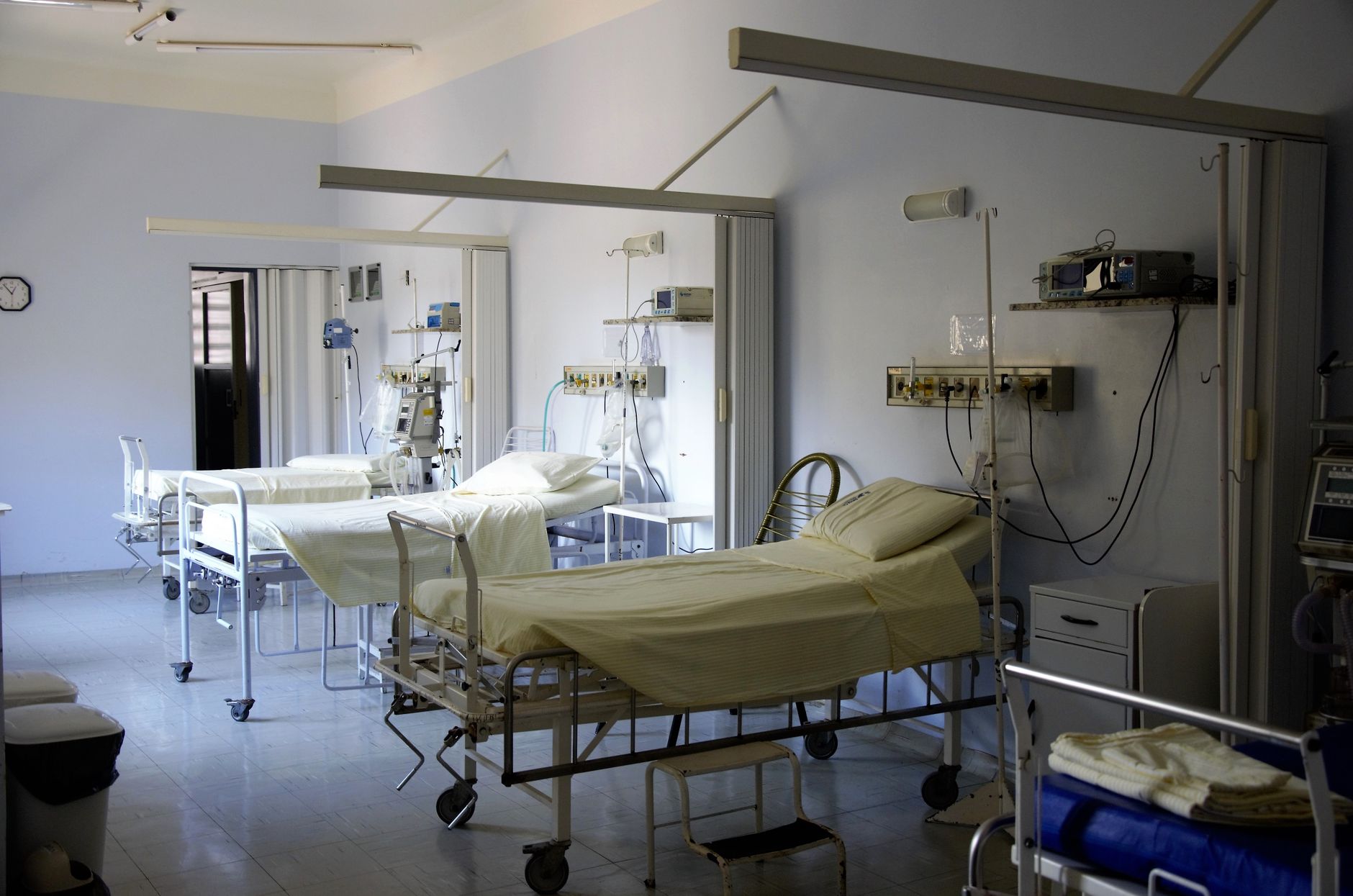
The injury toll from earthquakes extends beyond the initial trauma. Crush injuries, deep wounds, and fractures sustained during the disaster require ongoing medical care. In compromised healthcare systems, infections become a major concern. Tetanus poses a particular risk for those with puncture wounds or deep lacerations exposed to soil and debris.
Limited access to antibiotics, sterile dressing materials, and surgical facilities means that relatively minor injuries can develop into life-threatening infections. Gangrene and sepsis become real dangers when medical resources are stretched thin.
Vulnerable Populations at Greatest Risk
Children, elderly individuals, pregnant women, and those with pre-existing health conditions face amplified risks during post-earthquake recovery periods. Children's developing respiratory systems make them more susceptible to dust-related complications. Elderly individuals may struggle to evacuate contaminated areas or access necessary medications. Pregnant women require specific healthcare services that may be disrupted, while chronic disease patients may lose access to vital treatments like insulin, blood pressure medications, or dialysis.
Mental Health Dimensions
Beyond physical health threats, the psychological toll of earthquakes creates lasting mental health challenges. Post-traumatic stress disorder, anxiety, depression, and grief affect survivors at elevated rates. The ongoing stress of living amid destruction, uncertainty about the future, and loss of loved ones or livelihoods compounds these mental health challenges.
Essential Protective Measures
Health authorities typically recommend several protective measures during earthquake recovery phases. These include distributing bottled or purified water until municipal systems are certified safe, providing personal protective equipment to all workers in affected areas, establishing medical screening for respiratory symptoms, vaccinating populations against tetanus and other preventable diseases, and setting up mental health support services.
Community health education becomes crucial, teaching residents to recognize warning signs of waterborne illnesses, proper hygiene practices in resource-limited settings, and when to seek medical attention for injuries or respiratory symptoms.
International Response and Support
Major earthquakes often trigger international humanitarian responses, with organizations providing medical supplies, water purification systems, temporary shelter, and healthcare personnel. However, logistics challenges, particularly in areas where transportation infrastructure has been damaged, can delay the arrival of crucial assistance.
The transition from emergency response to recovery and reconstruction requires sustained support over months and years, not just the initial weeks following a disaster. Long-term health monitoring of affected populations helps identify emerging problems before they become widespread crises.
This article is for general informational purposes only and does not constitute medical or health advice. Individuals in earthquake-affected areas should follow guidance from local health authorities and seek professional medical attention for any health concerns.