India faces a significant challenge in eye health, with millions of people living with preventable blindness or visual impairment. At a recent major health conference, CBM India brought attention to an often-overlooked aspect of this crisis: ensuring that eye care services are accessible to people with disabilities. This advocacy highlights a critical gap in India's healthcare delivery system and points toward solutions that could transform lives.
The Dual Challenge of Disability and Vision Loss
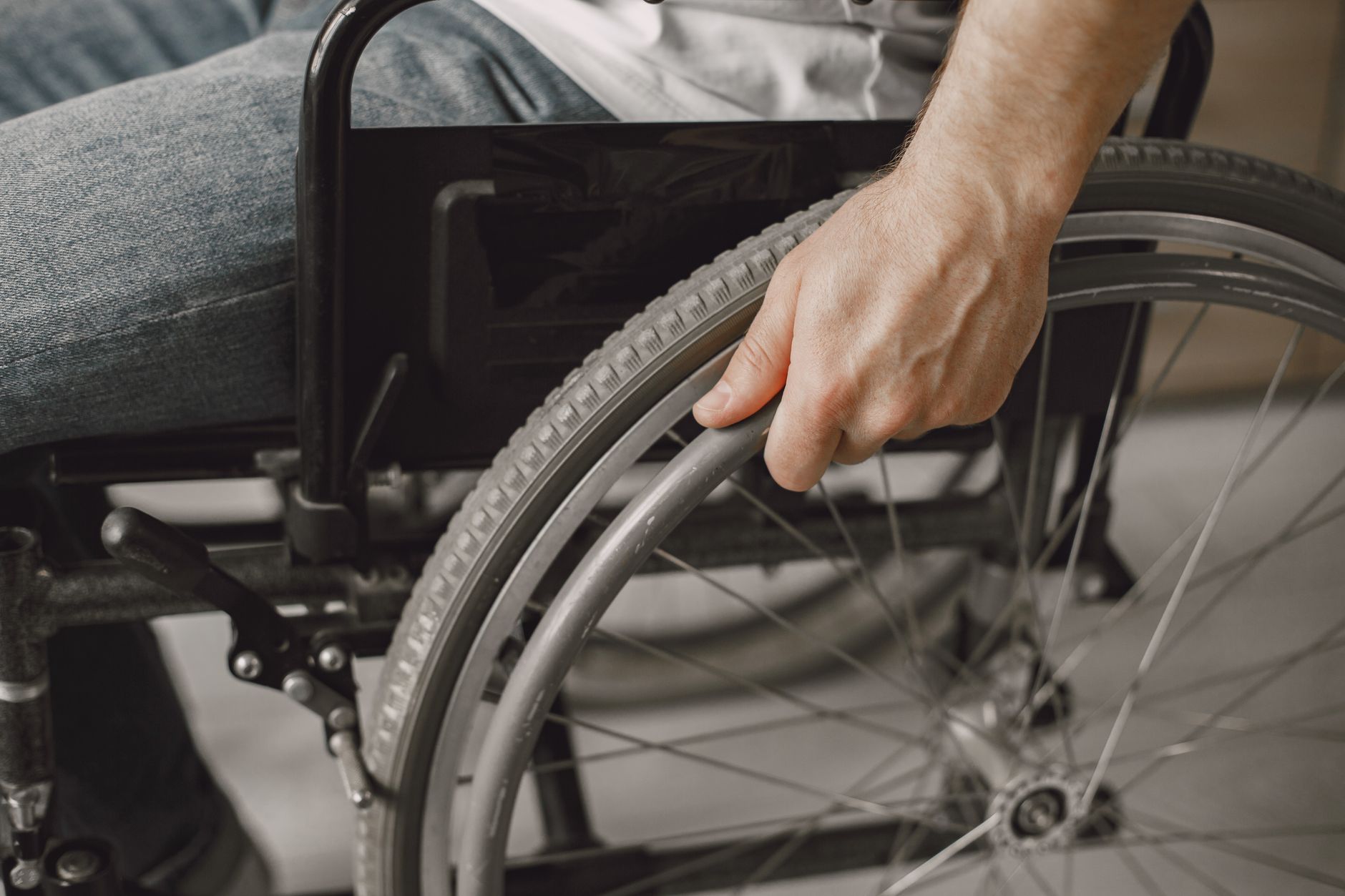
People with disabilities face compounded challenges when seeking eye care. Those with mobility impairments may struggle to reach eye clinics, while individuals with intellectual disabilities might have difficulty communicating their vision problems. Deaf individuals may miss crucial health information delivered only verbally, and those with mental health conditions often face stigma that keeps them away from healthcare facilities altogether.
This creates a vicious cycle. Visual impairment combined with existing disabilities can severely limit independence, education opportunities, and employment prospects. Yet these are precisely the individuals least likely to receive timely eye care interventions.
Why Inclusive Eye Care Matters
India is home to approximately 62 million people with visual impairment, according to various health estimates. Simultaneously, the country has one of the world's largest populations of persons with disabilities. The intersection of these two groups represents millions of individuals who require specialized, thoughtful approaches to eye health services.
The economic implications are substantial. Vision loss leads to reduced productivity and increased dependency, creating financial strain on families and communities. When people with disabilities also experience preventable blindness, the economic burden multiplies.
Barriers to Accessing Eye Care
Several systemic barriers prevent people with disabilities from accessing eye care services:
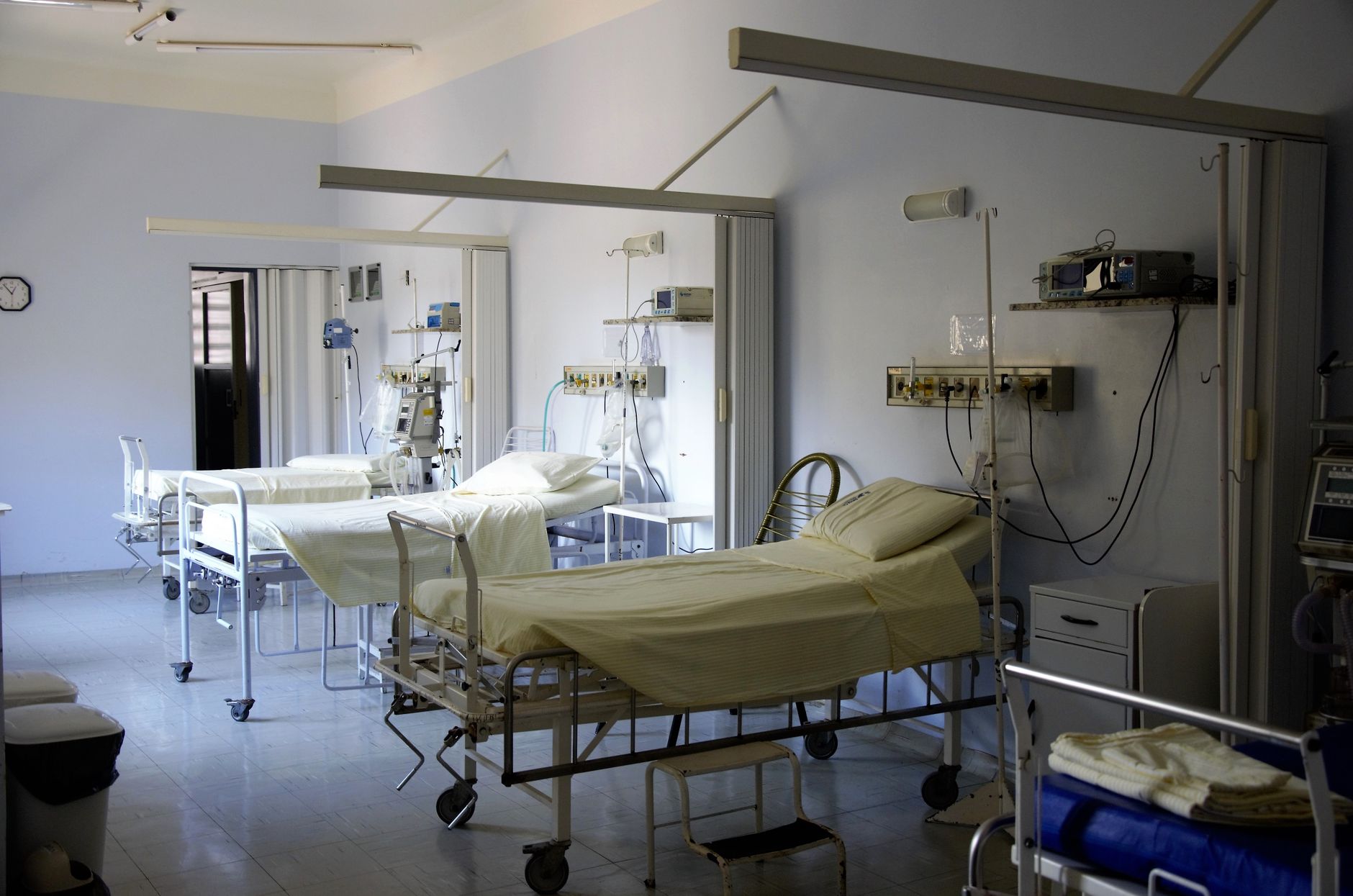
- Physical infrastructure: Many eye hospitals and clinics lack wheelchair ramps, accessible toilets, or examination equipment designed for people with mobility challenges
- Communication gaps: Healthcare providers often lack training in sign language or communicating with people who have intellectual disabilities
- Transportation challenges: Reaching eye care facilities remains difficult for those with limited mobility, particularly in rural areas
- Affordability: People with disabilities often face higher poverty rates, making even subsidized services unaffordable
- Awareness deficit: Many people with disabilities and their caregivers remain unaware of available eye care services or their rights to access them
- Attitudinal barriers: Healthcare workers may lack sensitivity training, leading to uncomfortable or discriminatory experiences
The Vision 2020 Initiative
Vision 2020 represents a global initiative launched by the World Health Organization and the International Agency for the Prevention of Blindness to eliminate avoidable blindness by the year 2020. While that deadline has passed, the initiative evolved into broader eye health goals, with India making significant strides in cataract surgeries and infrastructure development.
However, advocates argue that these gains have not equally benefited all population segments. Disability-inclusive approaches ensure that progress reaches those most marginalized.
What Disability-Inclusive Eye Care Looks Like
Creating truly inclusive eye care services requires multiple interventions:
- Training healthcare workers in disability awareness and communication across different disability types
- Retrofitting existing facilities with ramps, accessible examination chairs, and tactile guidance systems
- Developing outreach programs that specifically target people with disabilities
- Creating partnerships with disability organizations to build trust and awareness
- Implementing assistive technologies that enable people with various disabilities to receive comprehensive eye examinations
- Establishing community-based screening programs that reach those unable to travel to facilities
The Role of Organizations Like CBM
International development organizations with disability expertise play a crucial advocacy role. They bring global best practices, provide technical support to local healthcare systems, and ensure that disability perspectives remain central to health policy discussions. Their presence at major health conferences helps maintain pressure on policymakers and healthcare administrators to prioritize inclusive approaches.
The Path Forward
India's National Programme for Control of Blindness and Visual Impairment has made commendable progress in reducing avoidable blindness. The next frontier involves ensuring these benefits reach every citizen, regardless of disability status. This requires sustained advocacy, increased funding for accessibility modifications, and systematic training of healthcare workers.
As India works toward universal health coverage, integrating disability inclusion into eye health services represents both a moral imperative and a practical strategy for maximizing public health impact. The millions of people currently excluded from eye care services represent untapped potential—individuals who could contribute more fully to society with appropriate support and accessible healthcare.
This article is for general informational purposes only and does not constitute medical advice. Individuals with vision concerns or disabilities should consult qualified healthcare professionals for personalized guidance and treatment options.