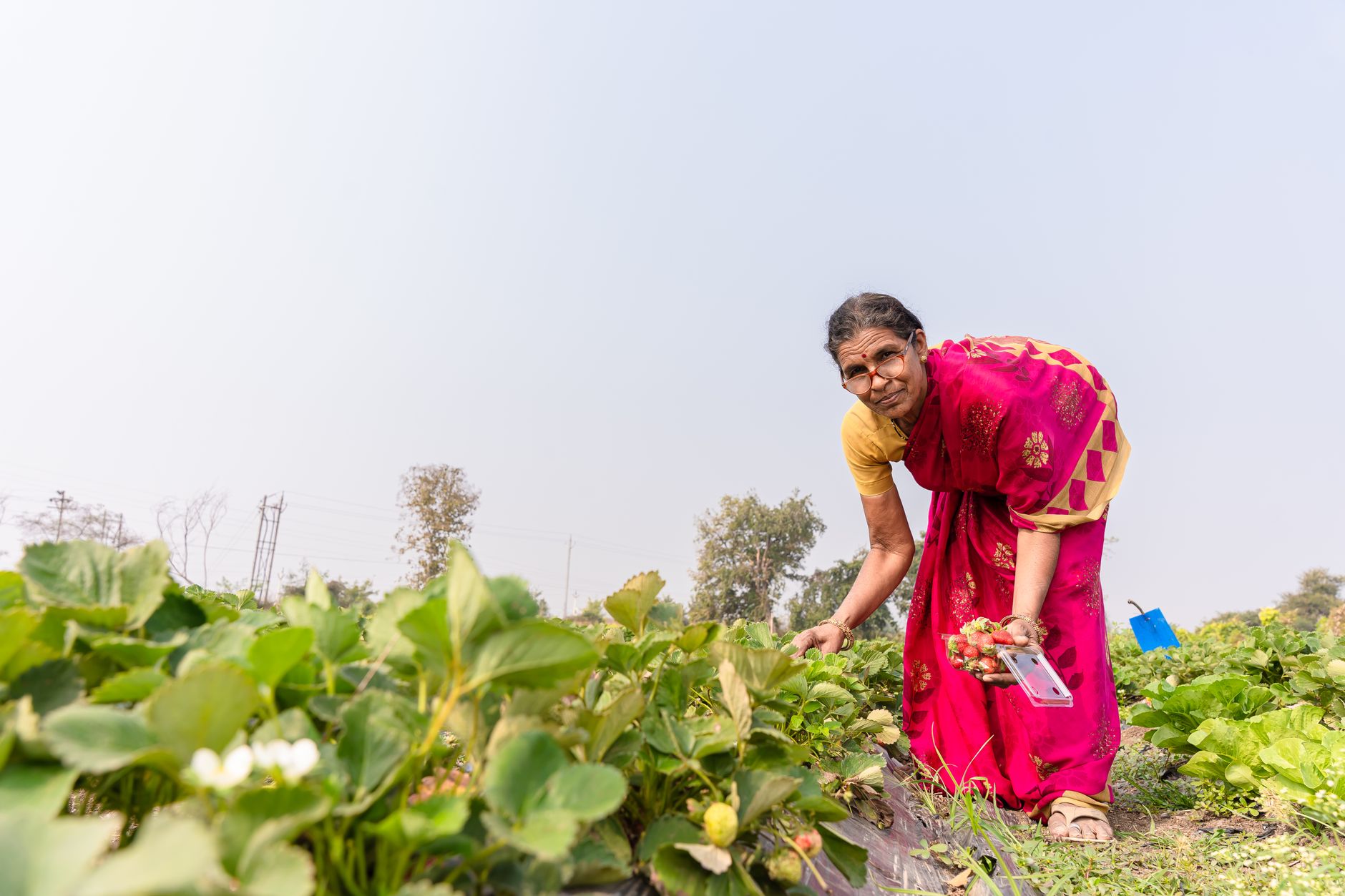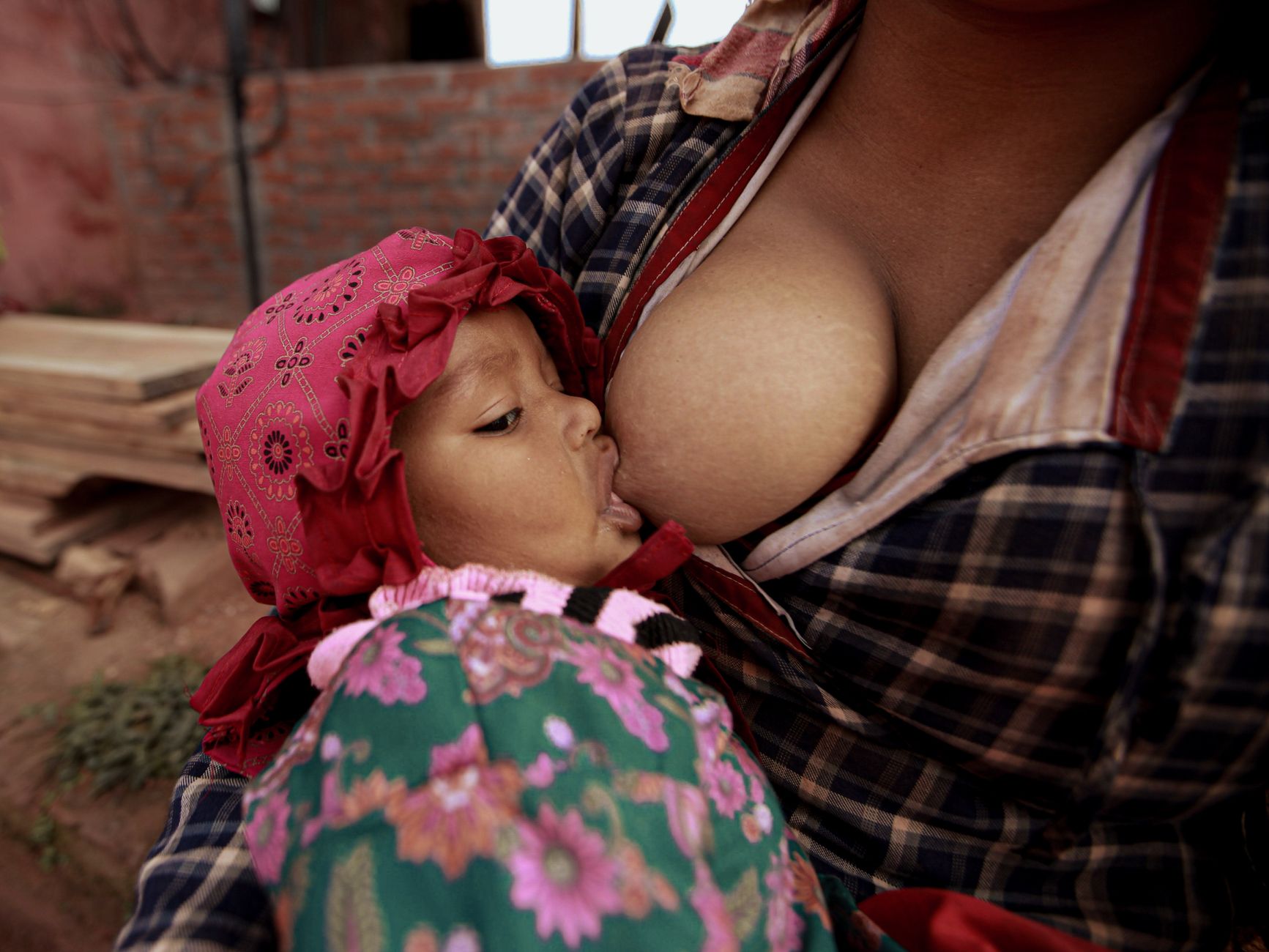
India faces a paradoxical nutrition challenge affecting its youngest citizens. Despite being one of the world's fastest-growing economies, the country continues to grapple with high rates of child malnutrition, stunting, and micronutrient deficiencies. A newly launched policy roadmap by international health experts aims to transform this landscape through coordinated action across government, healthcare, and food systems.
The Scale of the Challenge
India is home to over 30 percent of the world's stunted children, with approximately one in three children under five years experiencing growth restrictions due to chronic undernutrition. Simultaneously, the country faces a rising burden of childhood obesity and diet-related non-communicable diseases, creating a dual nutrition crisis that demands urgent attention.
The problem extends beyond calories. Micronutrient deficiencies, particularly iron, vitamin A, and zinc, affect a significant portion of Indian children, compromising their immune systems, cognitive development, and overall health outcomes. Anemia alone affects nearly 60 percent of children under five, impacting their ability to learn and develop normally.
Key Pillars of the Policy Framework
The expert-driven roadmap focuses on multiple interconnected strategies designed to create lasting improvements in child health and nutrition.
Strengthening Food Systems
- Improving agricultural diversity to increase availability of nutrient-rich foods
- Enhancing food fortification programs for staples like wheat, rice, and milk
- Developing sustainable supply chains for fruits, vegetables, and protein sources
- Supporting urban and rural food markets to improve access to healthy options
Healthcare Integration
The roadmap emphasizes embedding nutrition interventions within existing healthcare infrastructure. This includes strengthening anganwadi centers, improving maternal nutrition counseling, and ensuring regular growth monitoring for children. Early intervention during the critical first 1,000 days from conception to age two receives particular attention, as this window is crucial for preventing irreversible developmental damage.
Addressing Social Determinants
Nutrition outcomes are intrinsically linked to broader social factors. The policy framework advocates for improved water, sanitation, and hygiene facilities, which directly impact nutrient absorption and reduce infection-related malnutrition. It also emphasizes girls' education and women's empowerment, recognizing that educated mothers are more likely to adopt healthy feeding practices.
The Economic Imperative
Child malnutrition carries enormous economic costs for India. Stunted children typically earn 20 percent less as adults, while micronutrient deficiencies reduce national GDP by an estimated 2-3 percent annually. Investing in child nutrition is not merely a welfare concern but an economic strategy that yields returns of 16 to 1 according to global health economists.
Implementation Challenges
Despite well-intentioned policies, India has historically struggled with implementation gaps. The new roadmap acknowledges challenges including inadequate funding allocation, poor coordination between central and state programs, and limited monitoring mechanisms. It proposes strengthened accountability frameworks and data-driven decision-making to address these shortcomings.
Role of Technology and Innovation
Modern solutions are being integrated into traditional approaches. Digital platforms for tracking child growth, mobile applications for nutrition education, and technology-enabled supply chain improvements can enhance program efficiency. The roadmap encourages public-private partnerships to leverage innovation while ensuring equity and access.
Cultural Sensitivity and Local Adaptation
India's diversity demands context-specific solutions. The policy framework emphasizes respecting regional dietary preferences and cultural practices while promoting nutritional adequacy. Traditional foods and indigenous crops receive renewed focus as valuable nutrition sources that align with local tastes and agricultural systems.
Moving Forward
Successful implementation requires multi-stakeholder collaboration involving government agencies, healthcare workers, civil society organizations, and communities themselves. Parents and caregivers need accessible information, affordable healthy food options, and supportive environments to make nutritious choices for their children.
The roadmap also calls for increased budget allocation to nutrition programs, currently underfunded relative to the scale of the challenge. Experts recommend nutrition-sensitive planning across sectors including agriculture, education, and urban development, rather than treating it as an isolated health issue.
Improving child nutrition in India requires sustained commitment beyond election cycles and bureaucratic changes. With nearly 250 million children under 14 years of age, the stakes are enormous not just for individual wellbeing but for the nation's future productivity, innovation capacity, and social development.
This article provides general information about child nutrition policies and should not replace professional medical advice. Parents and caregivers should consult qualified healthcare providers for personalized guidance regarding children's dietary and health needs.