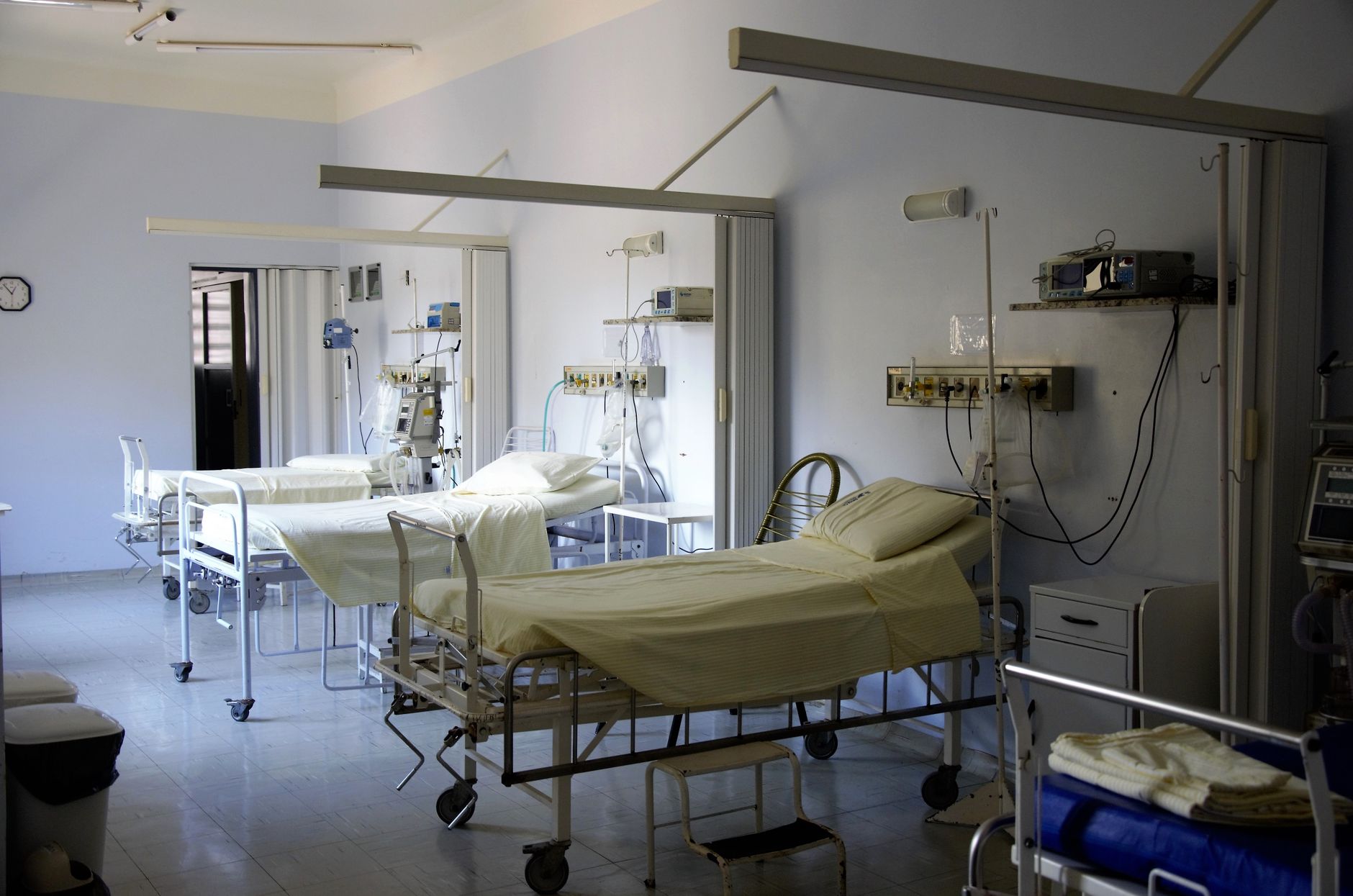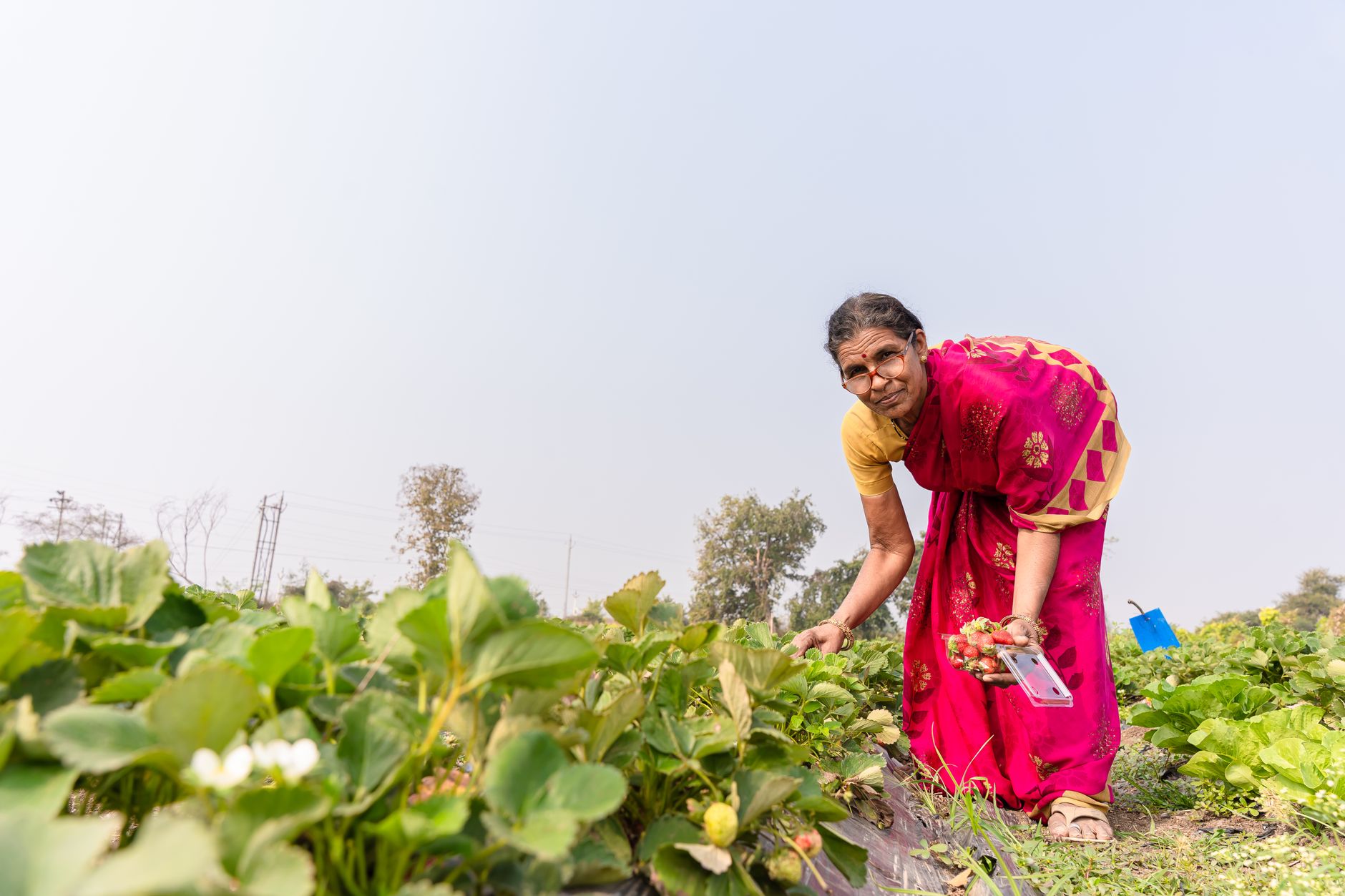
India stands at a critical juncture in its healthcare journey. While the country has made significant strides in medical infrastructure and treatment capabilities, a growing burden of preventable diseases threatens to overwhelm the system. The solution lies not in building more hospitals or buying more equipment, but in fundamentally reimagining healthcare through the lens of prevention.
The Rising Burden of Preventable Diseases
India currently faces a dual health challenge. Communicable diseases that once dominated the health landscape persist in many regions, while non-communicable diseases like diabetes, hypertension, and heart disease are rising at alarming rates. The World Health Organization estimates that non-communicable diseases account for over 60% of all deaths in India, with many of these conditions being largely preventable through lifestyle modifications and early intervention.
The economic impact is staggering. Families spend significant portions of their income on treating conditions that could have been prevented or managed more effectively with earlier intervention. Out-of-pocket healthcare expenses push millions of Indians into poverty each year, creating a vicious cycle where health crises lead to economic distress.
Why Prevention Makes Economic Sense
Preventive healthcare is not just medically sound—it makes excellent economic sense. Treating a patient for advanced diabetes complications costs exponentially more than regular screenings and lifestyle counseling that could prevent or delay the condition. Similarly, vaccination programs cost a fraction of treating disease outbreaks.
Countries that have invested heavily in preventive health measures have seen remarkable returns. Japan's focus on regular health screenings and preventive care has contributed to one of the world's highest life expectancies. Singapore's national health programs emphasize prevention and early detection, resulting in better health outcomes at lower costs per capita than many developed nations.
Key Areas for Preventive Focus
Several areas deserve immediate attention in India's preventive healthcare strategy.
- Regular health screenings for common conditions like diabetes, hypertension, and common cancers should be accessible and affordable
- Vaccination programs need strengthening beyond childhood immunizations to include adult vaccines for influenza, pneumonia, and other preventable diseases
- Mental health awareness and early intervention programs require significant expansion
- Workplace wellness programs should become standard practice rather than exceptions
- School health education must include practical lessons on nutrition, exercise, and healthy lifestyle choices
The Role of Lifestyle Modification
Perhaps the most powerful preventive tool is lifestyle modification. India's rapid urbanization has brought dietary changes and increasingly sedentary lifestyles. The traditional Indian diet, when balanced properly, offers excellent nutritional benefits, but modern adaptations often emphasize processed foods high in sugar, salt, and unhealthy fats.
Physical activity has declined dramatically, particularly in urban areas. Regular exercise, even moderate walking for 30 minutes daily, can significantly reduce the risk of heart disease, diabetes, stroke, and several cancers. Communities need safe spaces for physical activity, and workplaces should encourage movement rather than prolonged sitting.
Leveraging Technology for Prevention
India's digital revolution offers unprecedented opportunities for preventive healthcare. Telemedicine platforms can provide remote consultations for preventive care and early intervention. Mobile health applications can track health metrics, remind users about medications and check-ups, and provide personalized health advice.
Artificial intelligence and data analytics can identify high-risk populations and enable targeted interventions before diseases develop. Digital health records can track patient history over time, making it easier to spot warning signs and trends that require attention.
Creating a Culture of Prevention
Real change requires shifting mindsets at every level. Healthcare professionals need training that emphasizes prevention alongside treatment. Medical education should place greater emphasis on public health, nutrition, and preventive medicine.
Government policies must incentivize preventive care through insurance coverage that includes regular check-ups, screenings, and wellness programs. Employers should recognize that investing in employee health through preventive programs reduces absenteeism and healthcare costs while improving productivity.
Individuals must take ownership of their health through regular check-ups, healthy lifestyle choices, and attention to warning signs. Prevention is not solely the responsibility of healthcare providers or government—it requires active participation from citizens.
The path to better health for India runs through prevention rather than just treatment. By investing in preventive measures today, India can build a healthier population, reduce the burden on healthcare infrastructure, and create a more sustainable healthcare system for future generations.
This article is for general informational purposes only and does not constitute medical advice. Readers should consult qualified healthcare professionals for personalized medical guidance and treatment recommendations.