India's healthcare system faces unique challenges with a population exceeding 1.4 billion people, diverse geographical terrain, and significant rural-urban disparities. At the heart of addressing these challenges lies primary healthcare, often described as the cornerstone of public health delivery and the country's most critical defensive strategy against disease and illness.
What Primary Healthcare Actually Means
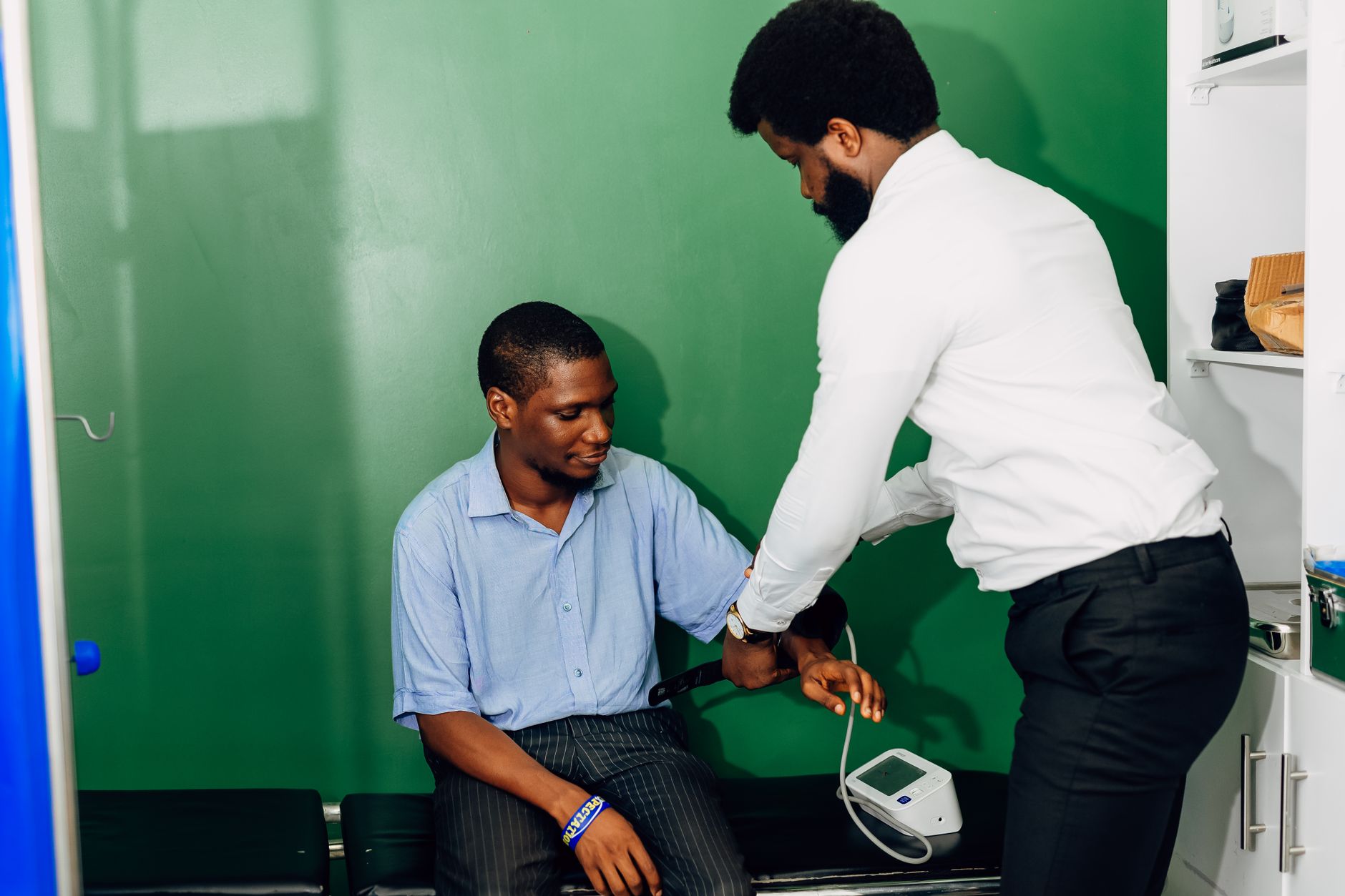
Primary healthcare refers to the first point of contact between individuals and the health system. This includes services provided by general physicians, community health workers, primary health centres (PHCs), and urban health posts. Unlike specialized or tertiary care that addresses complex medical conditions, primary healthcare focuses on prevention, early detection, basic treatment, and health education.
In India, the primary healthcare infrastructure comprises a network of sub-centres, PHCs, and community health centres (CHCs) that serve as the backbone of rural healthcare delivery. Urban areas rely on dispensaries, polyclinics, and primary urban health centres to fulfill similar functions.
Prevention Before Cure
The most significant advantage of robust primary healthcare is disease prevention. Through regular health check-ups, vaccination programmes, maternal and child health services, and screening for conditions like diabetes and hypertension, primary healthcare identifies health risks before they escalate into serious illnesses.
India's successful immunisation campaigns, including the Universal Immunisation Programme and recent COVID-19 vaccination drives, demonstrate how primary healthcare networks can mobilise resources to protect entire populations. Similarly, programmes targeting tuberculosis, malaria, and other communicable diseases operate primarily through this first-tier system.
Reducing the Burden on Hospitals
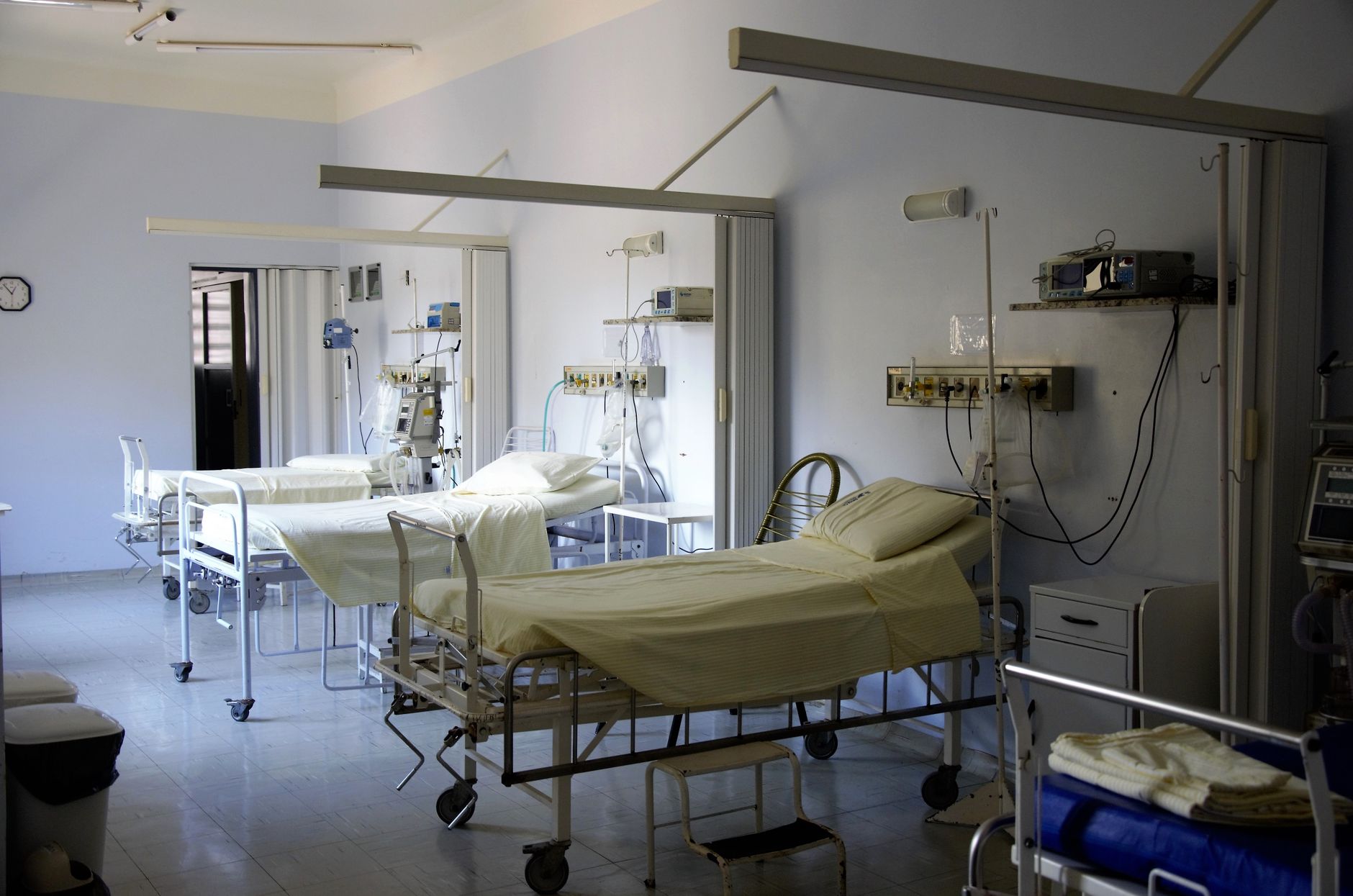
When primary healthcare functions effectively, it significantly reduces the load on secondary and tertiary care facilities. Many common ailments—respiratory infections, minor injuries, digestive issues, and chronic disease management—can be handled at the primary level, allowing hospitals to focus on complex cases requiring specialized intervention.
This triage function becomes especially critical in a country where the doctor-to-patient ratio remains below WHO recommendations. By ensuring that only cases requiring advanced care reach higher-level facilities, primary healthcare optimizes the use of limited medical resources and reduces waiting times for patients needing specialized treatment.
Making Healthcare Accessible and Affordable
For millions of Indians, particularly in rural areas, primary health centres represent the only accessible healthcare option. These facilities bring medical services closer to communities, eliminating the need for expensive and time-consuming travel to distant hospitals.
The cost-effectiveness of primary healthcare cannot be overstated. Treating conditions early at the primary level costs significantly less than managing advanced diseases in hospitals. For families with limited financial resources, having access to free or subsidized primary care through government facilities can mean the difference between seeking treatment and suffering in silence.
The Role of Community Health Workers
India's ASHA (Accredited Social Health Activist) workers exemplify how primary healthcare extends beyond clinical settings. These community-level workers provide health education, facilitate institutional deliveries, ensure immunization coverage, and serve as crucial links between communities and the formal healthcare system.
Similarly, Anganwadi workers contribute to primary healthcare through nutrition programmes, early childhood care, and health surveillance. This community-based approach ensures that healthcare reaches the most vulnerable populations, including women, children, and marginalized groups.
Current Challenges and the Path Forward
Despite its critical importance, India's primary healthcare system faces several obstacles. Infrastructure gaps persist, with many PHCs lacking adequate staff, equipment, and medicines. The shortage of doctors willing to serve in rural areas compounds these challenges.
The government's Ayushman Bharat programme, particularly the Health and Wellness Centres initiative, aims to transform primary healthcare by expanding services to include screening for non-communicable diseases, mental health support, and geriatric care. Success will require sustained investment in infrastructure, human resources, and supply chains.
Building Health Literacy
Primary healthcare also serves as the primary channel for health education. When doctors and health workers counsel patients about nutrition, hygiene, lifestyle modifications, and disease prevention, they create informed communities capable of making better health decisions.
This educational role becomes particularly important in combating misinformation and promoting evidence-based health practices, from proper antibiotic use to understanding the importance of completing treatment courses.
Primary healthcare's designation as India's first line of defence reflects its multi-dimensional role in protecting public health. By preventing diseases, ensuring early intervention, making care accessible, and building healthier communities, this foundational layer of healthcare delivery determines the overall health outcomes of the nation. Strengthening this system must remain a priority for policymakers, healthcare administrators, and communities alike.
This article is for general informational purposes only and does not constitute medical advice. Readers should consult qualified healthcare professionals for specific health concerns and treatment recommendations.