The Declining Investment in Education
Over the past twelve years, education spending by Indian state governments has witnessed a concerning downward trajectory, even as the country's young population continues to grow. This decline comes at a time when India is attempting to leverage its demographic dividend, with millions of young people requiring quality education to participate effectively in the modern economy.
State governments, which bear the primary responsibility for school education under India's constitutional framework, have collectively reduced their allocation to the education sector as a percentage of their total budgets. This trend has been observed across states with varying economic profiles, from wealthier states to those with more constrained fiscal resources.
Why State Spending Matters
In India's federal structure, education is primarily a state subject, meaning state governments manage and fund most schools, colleges, and universities within their jurisdictions. While the central government provides supplementary funding through various schemes, state budgets form the backbone of educational infrastructure, teacher salaries, and quality improvement initiatives.
The reduction in state spending affects several critical areas:
- Teacher recruitment and training programmes
- Infrastructure development including classrooms, laboratories, and libraries
- Mid-day meal schemes and student welfare programmes
- Maintenance of existing educational facilities
- Implementation of new curriculum and teaching methodologies
Factors Behind the Spending Decline
Several factors have contributed to this downward trend in education expenditure. States have faced competing demands on their budgets, including healthcare, infrastructure development, welfare schemes, and debt servicing obligations. The fiscal stress experienced by many states has forced difficult trade-offs between different sectors.
Additionally, the focus on centrally-sponsored schemes has sometimes led to states reducing their own spending, expecting central funds to fill gaps. However, central schemes often come with specific conditions and may not address all local educational needs comprehensively.
The COVID-19 pandemic further strained state finances between 2020 and 2022, leading to budget cuts across sectors including education. While some states have attempted to restore funding levels post-pandemic, recovery has been uneven.
Impact on Students and Educational Quality
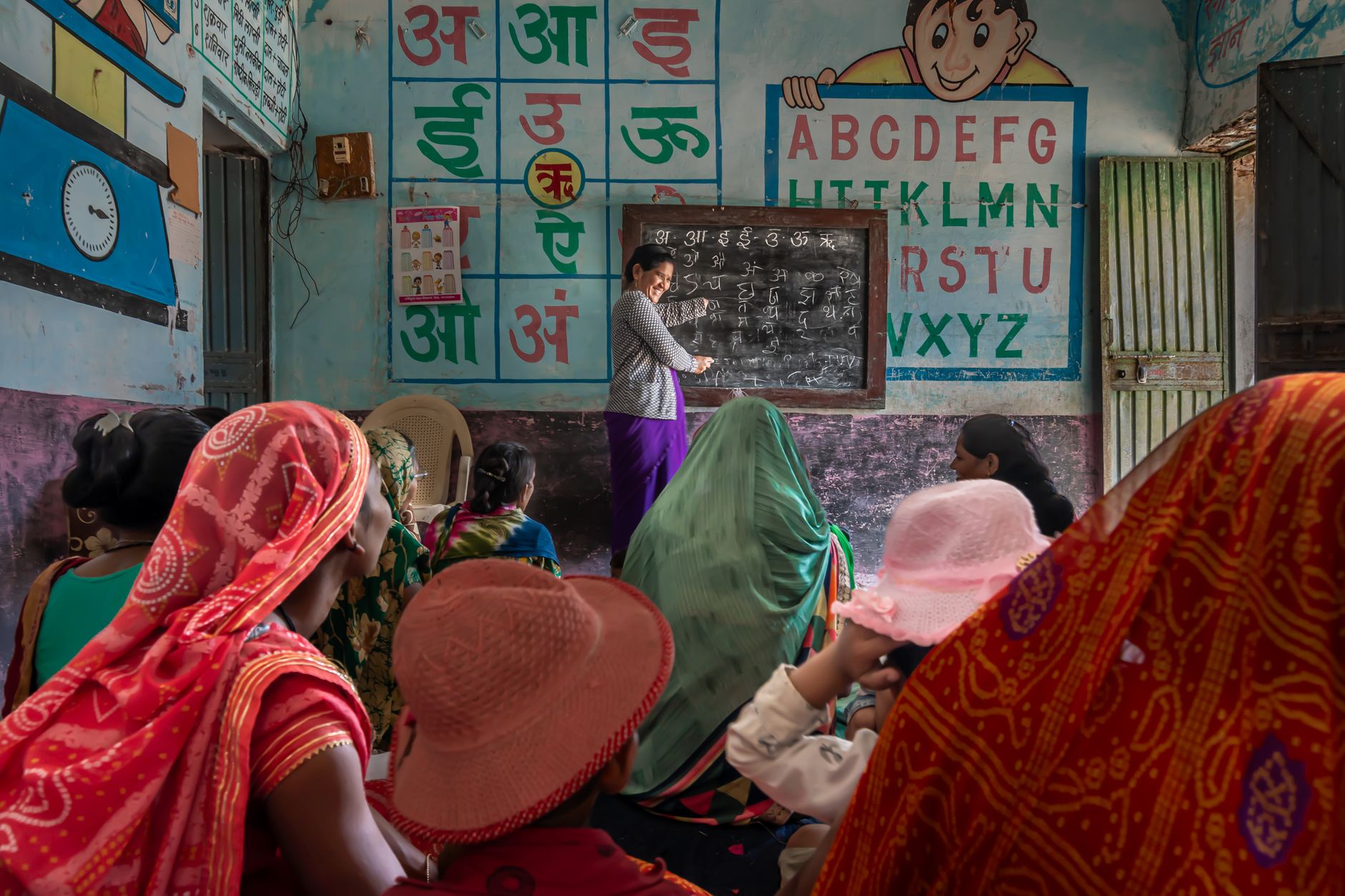
The consequences of reduced education spending are visible across multiple dimensions. Many government schools face infrastructure deficits, with overcrowded classrooms, inadequate sanitation facilities, and lack of digital learning resources. Teacher shortages have become more acute in several states, with student-teacher ratios exceeding recommended norms.
The quality of education has suffered in many public institutions, widening the gap between government schools and private institutions. This disparity has significant implications for equity, as students from economically disadvantaged backgrounds rely predominantly on government schools.
Higher education institutions have also felt the pinch, with reduced funding affecting research capabilities, faculty recruitment, and infrastructure upgrades. This impacts India's ability to compete globally in research and innovation.
Youth Response and Protests
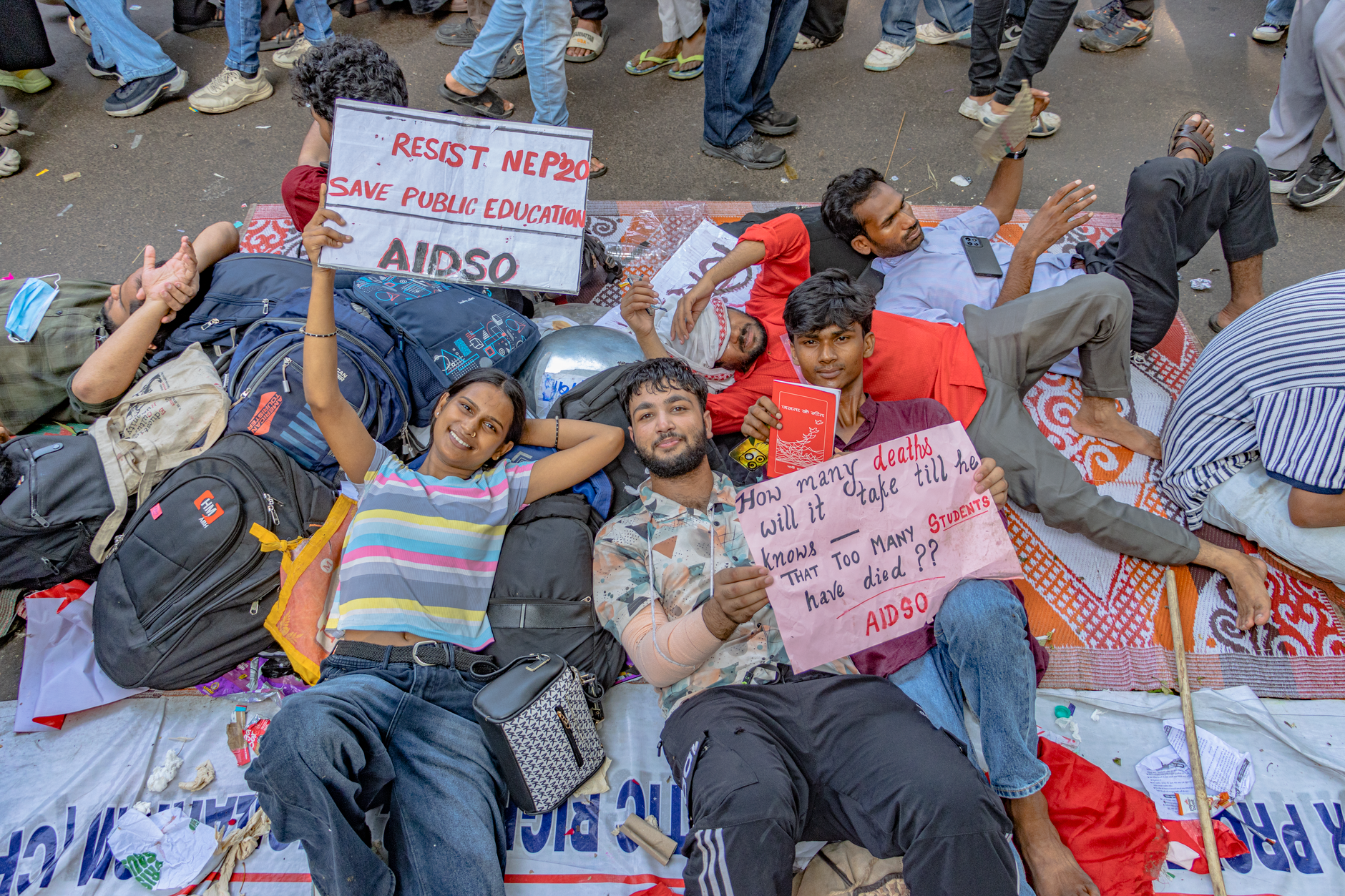
The declining investment has not gone unnoticed by India's youth, who are increasingly vocal about educational opportunities and quality. Student protests have emerged across various states, highlighting issues such as:
- Delayed recruitment of teachers and faculty
- Poor infrastructure in educational institutions
- Inadequate scholarship and financial aid programmes
- Limited access to quality higher education
- Unemployment despite educational qualifications
These protests reflect broader concerns about whether the education system is adequately preparing young Indians for employment and contributing to social mobility.
The Path Forward
Reversing the decline in education spending requires sustained political commitment and innovative financing mechanisms. States need to prioritise education as an investment rather than an expenditure, recognizing its role in long-term economic growth and social development.
Improving budget utilisation efficiency, strengthening monitoring mechanisms, and ensuring funds reach intended beneficiaries are equally important. Public-private partnerships, while not a complete solution, could supplement government efforts in specific areas.
As India aspires to become a developed nation by 2047, the education sector cannot be neglected. The current generation of students will form the workforce of the coming decades, and underinvestment today could have lasting consequences for the country's economic prospects and social fabric.
The youth protests serve as an important reminder that educational investment is not merely a budgetary line item but a fundamental determinant of India's future trajectory.